
Detailed cancer mutations map could guide precision treatments
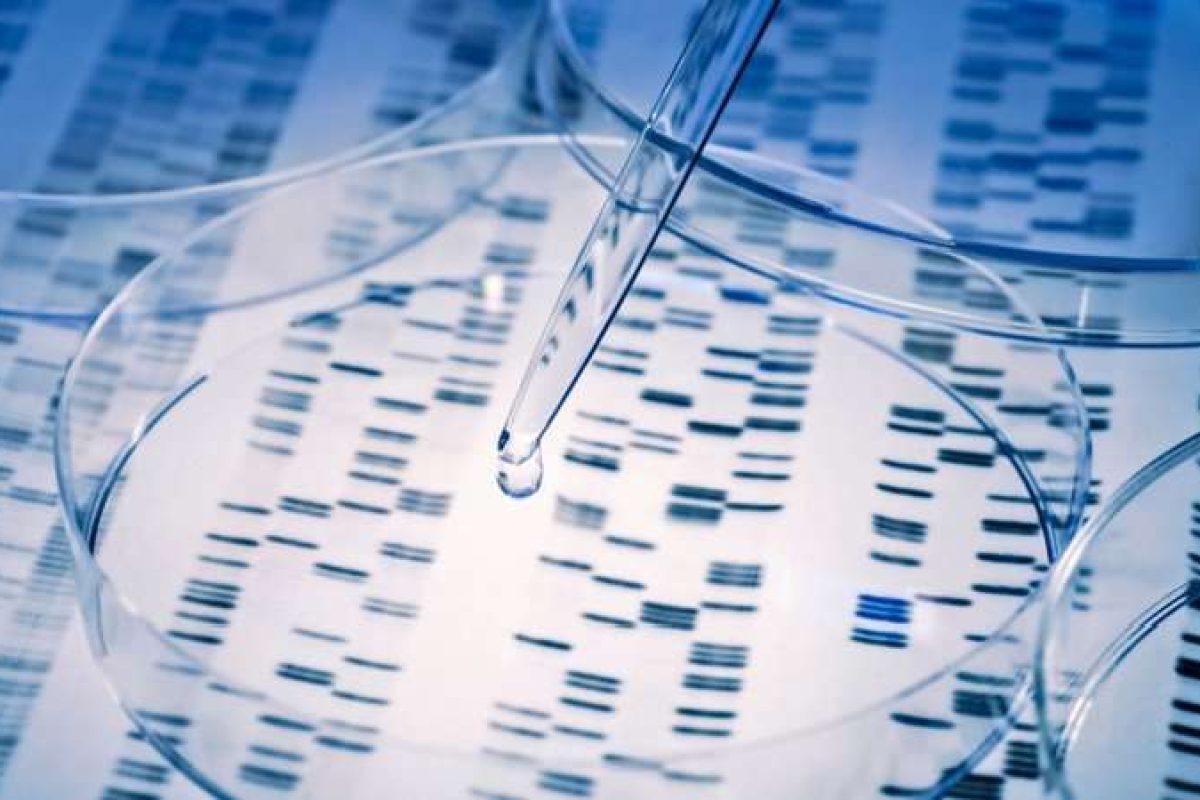
Scientists have created the most comprehensive map to date of the genetic mutations that fuel cancer — opening the door to extending precision treatments to thousands more patients and offering clues as to why bowel cancer rates are rising in younger people.
The landmark study was carried out by cancer genomics experts at The Institute of Cancer Research, London, and The University of Manchester.
The research team analysed whole‑genome sequencing data from nearly 11,000 NHS cancer patients as part of Genomics England’s 100,000 Genomes Project — the largest cancer genomics initiative ever undertaken worldwide.
By examining hundreds of millions of mutations across 16 cancer types, researchers identified 134 distinct mutational “signatures” — patterns of DNA damage that reveal the processes that drive cancer’s development. Twenty‑six of these signatures had not been described before.
In total, the team catalogued 370 million mutations spanning the entire human genome, providing an unprecedented picture of the genetic “scars” that accumulate as tumours evolve.
More patients should get HRD‑targeted therapies
One of the most significant discoveries was the high number of cancers showing signs of homologous recombination deficiency (HRD) — a DNA repair weakness that makes tumours particularly vulnerable to PARP inhibitors and platinum‑based chemotherapy.
HRD was identified in 16% of breast cancers and 14% of ovarian cancers, suggesting that more than 7,700 breast cancer patients and over 1,000 ovarian cancer patients in the UK could benefit each year from HRD‑targeted therapies. This far exceeds current estimates based solely on BRCA1/BRCA2 mutation testing.
The findings also add weight to the emerging theory that toxins released by certain strains of bacteria in the gut could be linked to the rising incidence of bowel cancer in younger adults. The mutational signature associated with this bacterial toxin appeared markedly more frequently in younger patients, in contrast to many other signatures that accumulate with age.
Professor Richard Houlston, Head of Cancer Genomics at The Institute of Cancer Research, London, said: “The scale of this study was enormous, and the insights we’ve gained are extremely exciting. It shows how reading the full genetic history of a tumour can unlock vital clues for patient care. The future of cancer treatment lies not just in finding mutations, but in understanding the story they tell.
“These findings suggest that early-onset colorectal cancer may be driven, at least in part, by DNA damage associated with microbial exposures. Although the precise mechanisms remain to be fully understood, this points to a potential role for the microbiome in the rising incidence of colorectal cancer among younger adults.”