
Scientists displace antibiotic resistance genes from bacteria
Birmingham scientists have identified essential genetic code for a method called plasmid curing, which aims to ‘displace’ antibiotic resistance genes from bacteria.
Plasmids play a crucial role in allowing bacteria to share beneficial genes rapidly in a changing environment, most concerningly when they carry genes conferring resistance to antibiotics.
Professor Chris Thomas from Birmingham’s School of Biosciences has investigated plasmid curing for many years, and engineered useful ‘multi-copy’ plasmids for this purpose, resulting in an efficient way to displace unwanted plasmids that carry resistance.
However, when developing this into a ‘pro-biotic’ system that could spread through the gut on ‘low-copy’ plasmids, the Thomas lab found that they had to engineer the plasmid to have a higher number of copies before it gave efficient displacement, which they called ‘potentiation’.
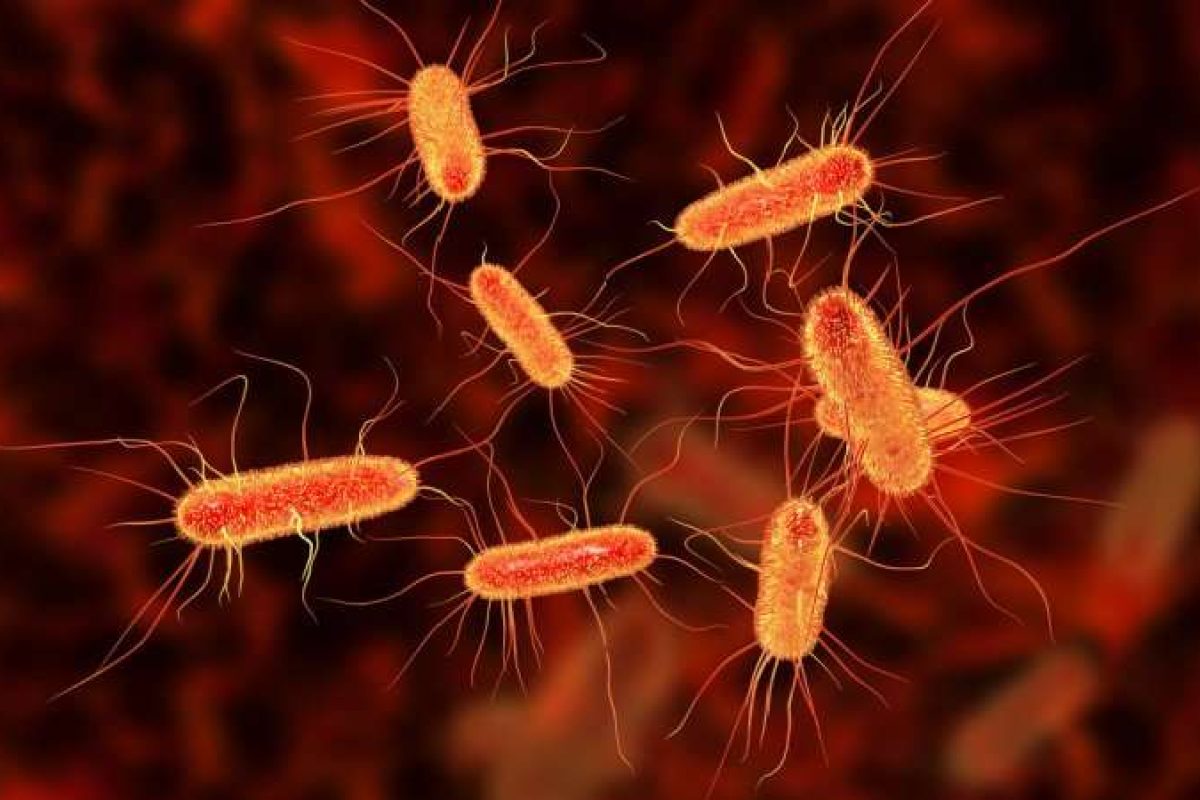
His further work, published in Nucleic Acids Research, explored why this potentiation was necessary and discovered that the issue lay in part of the ‘problem’ F plasmids that are often found in E. coli bacteria and which his lab was using as their model target system.
Professor Thomas said: “We have identified the part of the plasmid that is absolutely essential for it to work in plasmid displacement, and built a completely new ‘curing cassette’ that does not need to be potentiated.”
Professor Thomas’ work has now moved on to investigating the spread of plasmids in animal models of the gut.
He added: “We know that animals are reservoirs of antibiotic resistance genes that can be transmitted to humans, and we now understand better how to make curing plasmids that work in a real context.”
Professor Thomas and his research collaborators at are now seeking commercial partners interested in developing ingestible probiotics to combat antibiotic resistance in gut bacteria, in both animals and humans.
DIANA SPENCER, Senior Digital Content Editor, DDW