
Unique immunotherapy extends survival in advanced NSCLC
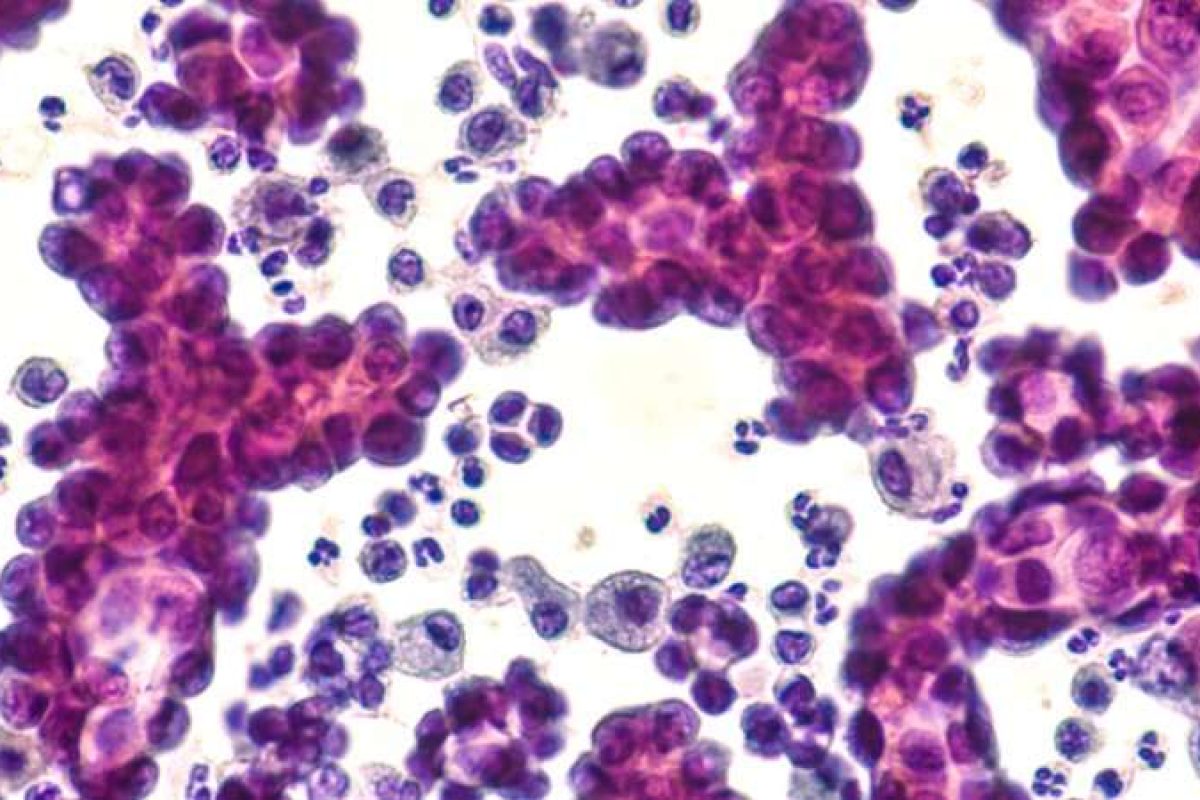
Candel Therapeutics’ CAN-2409 has demonstrated a median overall survival (mOS) of 24.5 months in a Phase IIa clinical trial in patients with stage III/IV non-small cell lung cancer (NSCLC).
The 46 evaluable patients, who are nonresponsive to immune checkpoint inhibitor (ICI) treatment, received two courses of CAN-2409.
The mOS was 21.5 months in evaluable patients from cohort two that presented with progressive disease at baseline, despite ICI treatment.
This final analysis included extended follow-up data (one year after the previous data cut) with a median follow up time for the per protocol population of 32.4 months.
Data showed a sizable percentage of patients with survival exceeding 24 months, evidence of a long tail of survival, with 37% of patients with progressive disease despite treatment with ICI alive two years after CAN-2409 administration.
Biomarker research showed an enhanced immunological and clinical response after CAN-2409 administration in patients with non-squamous histology compared to squamous histology, and improved mOS was observed in this population (25.4 months in patients with progressive disease despite ICI treatment and non-squamous NSCLC).
“Treatment options are quite limited for patients with unresectable NSCLC who progress on anti-PD-1 therapy,” said Charu Aggarwal, Leslye Heisler Professor for Lung Cancer Excellence at the University of Pennsylvania’s Perelman School of Medicine and Principal Investigator of the study. “The survival benefit seen in this study is striking, especially when compared to both the current standard of care treatment of docetaxel chemotherapy and other therapies under investigation for this patient group.”
New approach to solid tumours
“These updated survival data confirm and strengthen our previously reported findings, demonstrating that CAN-2409 has the potential to extend survival for patients with advanced NSCLC, who have limited treatment options after failing to respond to, or progressing, despite immune checkpoint inhibitor therapy,” said Paul Peter Tak, President and Chief Executive Officer of Candel. “CAN-2409 may represent an entirely new approach to solid tumour treatment, with its unique mechanism of action and favourable safety profile to date, enabling potentially meaningful improvements in outcomes beyond current standard of care. These compelling results mark a potentially transformative advance in our fight against this aggressive disease.”
CAN-2409 is an investigational, off-the-shelf, replication-defective adenovirus engineered to deliver the herpes simplex virus thymidine kinase (HSV-tk) gene to a patient’s specific tumour and induce an individualised, systemic immune response. HSV-tk is an enzyme that locally converts orally administered valacyclovir into a toxic nucleotide analogue that kills nearby cancer cells.
Together, this regimen is designed to induce an individualised and specific CD8+ T cell-mediated response against the injected tumour and uninjected distant metastases for broad anti-tumour activity, based on in-situ vaccination against a variety of tumour antigens.
Diana Spencer, Senior Digital Content Editor, DDW