
Positive efficacy updates for Phase II trial in non-small cell lung cancer
MAIA Biotechnology has shared positive updated data from its THIO-101 Phase II clinical trial evaluating its lead candidate, THIO, in patients with advanced non-small cell lung cancer (NSCLC) who failed two or more standard-of-care therapy regimens.
In the trial, THIO was sequenced with Regeneron’s immune checkpoint inhibitor (CPI) cemiplimab (Libtayo).
Third line data showed median overall survival (OS) of 16.9 months for the 22 NSCLC patients who received at least one dose of THIO (the intent-to-treat population) in parts A and B of the trial.
The analysis demonstrated a 95% confidence interval (CI) lower bound of 12.5 months and a 99% CI lower bound of 10.8 months. The treatment has been generally well-tolerated to date in this heavily pre-treated population.
Studies of standard-of-care (SOC) chemotherapy treatments for NSCLC in a similar setting have shown OS of five to six months.
“Treatment with THIO now shows a 99% probability that overall survival will extend past chemotherapy’s measure by a wide margin,” said Vlad Vitoc, CEO of MAIA. “THIO’s efficacy in advanced stages of NSCLC continues to exceed our expectations, especially in third-line treatment where the cancer is typically even more resistant to therapy. Our findings suggest great benefits to patients with unmet medical needs who see little hope for the future.
“With our latest overall survival results, our outlook for potential FDA commercial approval of THIO is stronger than ever.”
MAIA believes there could be an opportunity for accelerated FDA approval of THIO depending on final results from the ongoing expansion of the THIO-101 trial.
An investigational telomere-targeting agent
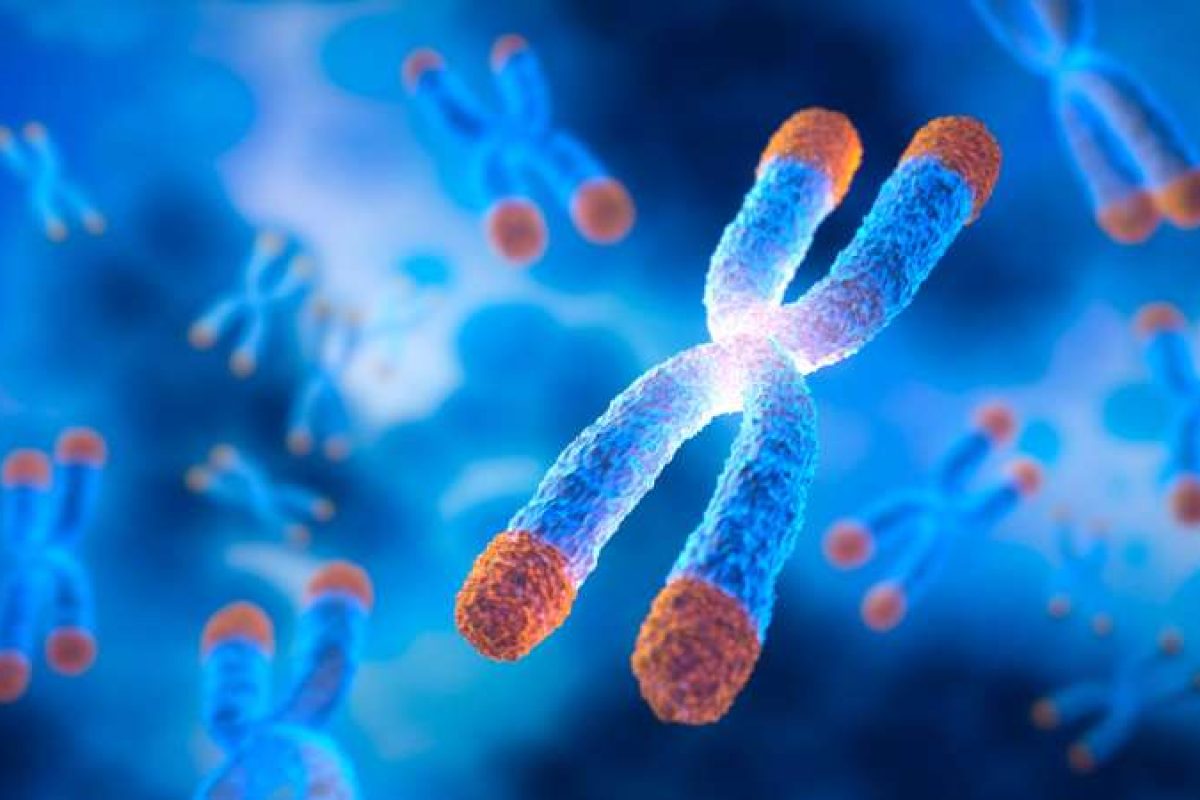
THIO (6-thio-dG or 6-thio-2’-deoxyguanosine) is a first-in-class investigational telomere-targeting agent currently in clinical development for NSCLC. Telomeres, along with the enzyme telomerase, play a fundamental role in the survival of cancer cells and their resistance to current therapies.
The modified nucleotide 6-thio-2’-deoxyguanosine (THIO) induces telomerase-dependent telomeric DNA modification, DNA damage responses, and selective cancer cell death. THIO-damaged telomeric fragments accumulate in cytosolic micronuclei and activates both innate (cGAS/STING) and adaptive (T-cell) immune responses.
The sequential treatment with THIO followed by PD-(L)1 inhibitors resulted in profound and persistent tumour regression in advanced, in vivo cancer models by induction of cancer type–specific immune memory.
In December 2024, THIO was designated a drug for a rare paediatric disease by the US Food and Drug Administration (FDA) for the treatment of paediatric-type diffuse high-grade gliomas (PDHGG).
Diana Spencer, Senior Digital Content Editor, DDW