
Allogeneic T-cell therapy doubles rate of survival free from GvHD
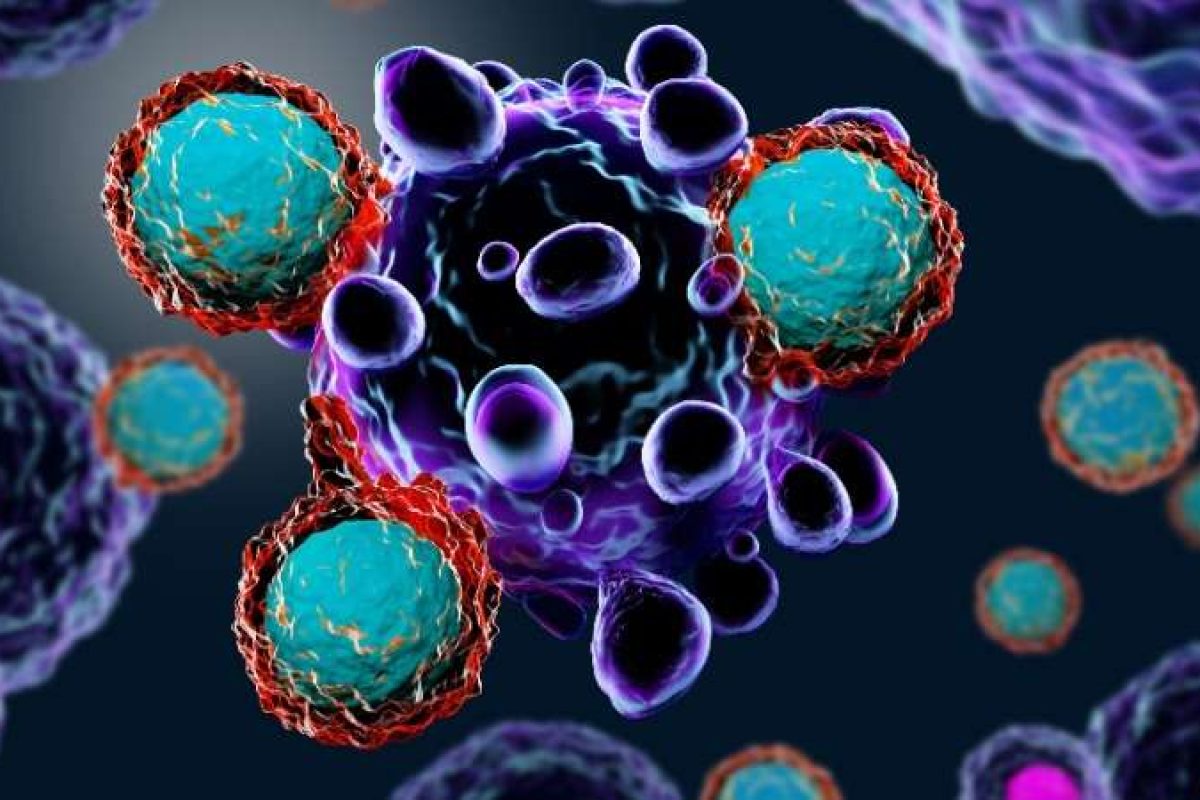
Biotechnology company Orca Bio has revealed positive results from the Phase III Precision-T study of Orca-T, its lead investigational allogeneic T-cell immunotherapy, in patients with haematological malignancies.
The trial included patients with acute myeloid leukaemia (AML), acute lymphoblastic leukaemia (ALL), high-risk myelodysplastic syndrome (MDS) and mixed-phenotype acute leukaemia (MPAL).
Orca-T is manufactured using highly purified regulatory T-cells, hematopoietic stem cells and conventional T-cells derived from peripheral blood from either related or unrelated matched donors.
In the study, Orca-T met the primary endpoint of a statistically significant improvement in survival free of moderate-to-severe chronic graft versus host disease (cGvHD).
At one year, the rate for patients who received Orca-T was 78% compared to 38% for patients who received a conventional allogeneic hematopoietic stem cell transplant (alloHSCT).
Patients in the Orca-T group achieved an estimated overall survival (OS) of 94% compared to 83% in the alloHSCT arm at one year.
“Today, treating patients with serious blood cancers using allogeneic stem cell transplants requires a difficult risk-benefit trade-off as clinicians aim to cure the disease while avoiding potentially deadly treatment-related toxicities, like GvHD,” said presenting author Everett Meyer, Haematologist and Associate Professor of Medicine in Blood and Marrow Transplantation and Cellular Therapy at Stanford Health Care.
“The Precision-T study showed double the rate of survival free from GvHD with Orca-T versus a conventional transplant, a relapse-free survival rate of 76% and no new safety concerns. These findings are highly encouraging and provide compelling new evidence as we work to solve for the critical factors contributing to the needs of this patient population.”
Precision-T study results
In the study, all patients with a median age of 43.5 years (range 19-65 years) were randomized 1:1 to Orca-T plus single-agent tacrolimus (TAC) or alloHSCT plus TAC methotrexate (TAC/MTX).
Patients across both groups received myeloablative conditioning (MAC) and used a related or unrelated matched donor. Patients had a median follow-up time of 11.4 months (range 0.2-24.3 months) across both arms.
Key results from the Precision-T study at one year:
- The primary endpoint of survival free of cGvHD was 78% in the Orca-T arm and 38% in the alloHSCT arm
- An interim analysis of the secondary endpoint of OS was 94% in the Orca-T arm and 83% in the alloHSCT arm
- An additional secondary endpoint of cumulative incidence of moderate-to-severe cGvHD was 13% and 44% in the Orca-T and alloHSCT arms, respectively
- Exploratory endpoints at one year include the rate of relapse-free survival which was 76% and 74% in the Orca-T and alloHSCT arms, respectively
- The cumulative incidence of non-relapse mortality was 3% in the Orca-T arm and 13% in the alloHSCT arm
- The cumulative incidence of Grade 3 or 4 acute GvHD was 6% and 17% in the Orca-T and alloHSCT arms, respectively
- No new safety issues were identified with Orca-T
Orca-T was manufactured in Orca Bio’s centralised GMP facility and delivered to patients at 19 treatment centres across the US, with all infusions occurring within a vein-to-vein time of 72 hours or less.
Diana Spencer, Senior Digital Content Editor, DDW