
Five 2024 breakthroughs in cancer drug research

With the 2024 American Society of Clinical Oncology (ASCO) Annual Meeting, taking place from 30 May to 3 June, the drug discovery announcements have been coming thick and fast, with many new cancer therapies making significant strides forward in our ability to treat the disease.

New data show that an unprecedented 60% of patients with advanced lung cancer given Lorbrena (lorlatinib) remain alive without disease progression after five years. The trial results also demonstrated an 81% reduction in risk of progression or death and 94% reduction in progression of brain metastases compared to Xalkori (crizotinib).
Read more: New drug represents a ‘remarkable advancement’ in lung cancer
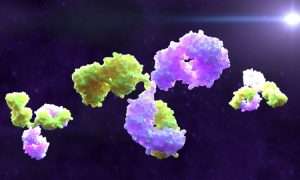 Previously untreated follicular lymphoma (FL) patients who received epcoritamab with rituximab-lenalidomide (R2) had a 95% overall response rate (ORR), according to preliminary trial data. The results of two ongoing Phase I/II clinical trials evaluating cancer immunotherapy epcoritamab, a T-cell engaging bispecific antibody, were shared at ASCO.
Read more: 95% response to bispecific antibody in follicular lymphoma
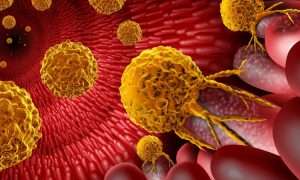 Phase II trial results have shown the superiority of immunotherapy pembrolizumab over chemotherapy when given before bowel cancer surgery. They are interim results from the NEOPRISM-CRC Phase II clinical trial in patients with stage two or stage three MMR deficient/MSI-High bowel cancer.
Read more: Immunotherapy prior to surgery a ‘game-changer’ for bowel cancer
 Cancer vaccine mRNA-4157 (V940) in combination with Keytruda reduced the risk of recurrence or death by 49% in patients with resected high-risk melanoma. The combination therapy was also shown to reduce the risk of distant metastasis or death by 62% compared to Keytruda alone in these patients.
Read more: Cancer vaccine shows sustained improvement in survival rates
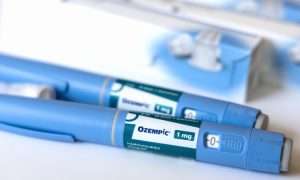 Patients taking semaglutide (the active ingredient in Wegovy and Ozempic) were 19% less likely to develop 13 obesity-related cancers, according to new data. The research, led by the Case Western Reserve University in Ohio and reported in The Guardian, also found patients were half as likely to die over 15 years compared with patients not taking a GLP-1 receptor agonist (RA).
Read more: Ozempic reduces risk of 13 types of cancer
Diana Spencer, Senior Digital Content Editor, DDW