
Unlocking T-cell receptor therapy for cancer
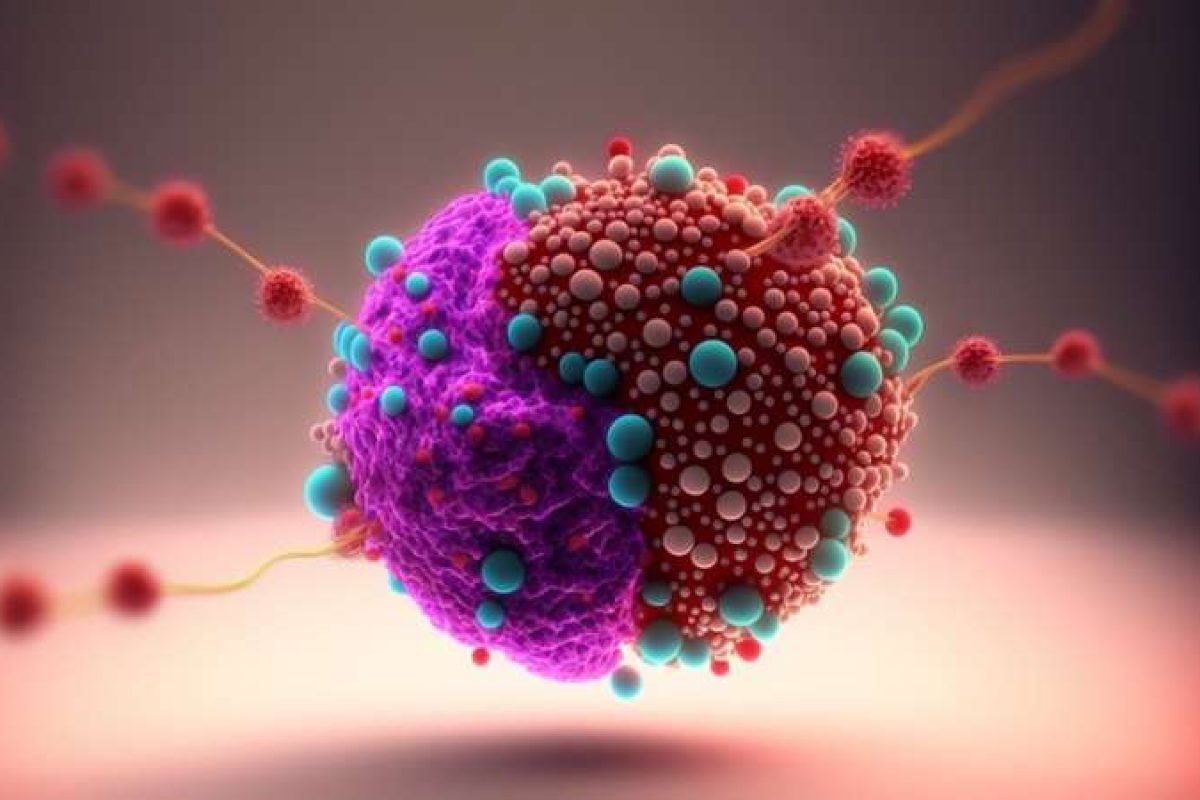
Keir Loiacono, CEO of BlueSphere Bio, discusses the goals of the company’s lead programme, the opportunities and potential of T-cell receptor (TCR) T cell therapies, and how to make oncology therapies tailored to individuals a reality.
The goals of TCX-101
BlueSphere’s lead programme, TCX-101, includes two goals. The first is to test the mechanism of action of TCR-T cells, which represents a next-generation cellular therapy. Loiacono says: “In contrast to CAR-T, TCR-T engineered cells use the receptor native to the T cell lineage, the T cell receptor (TCR), allowing us to target a much larger pool of tumour associated antigens, among other advantages.”
The second aim of this programme is to offer patients with high-risk leukaemias, such as acute myeloid leukaemia (AML), the benefit of cellular therapy, as CAR-T approaches have not shown meaningful efficacy in this population. According to Loiacono: “Under this programme, our first-in-human candidate, BSB-1001, is a TCR T-cell therapy targeting the minor histocompatibility antigen-1 (HA-1) to be used in conjunction with allogeneic hematopoietic stem cell transplantation (alloSCT). In addition to BSB-1001, BlueSphere has also discovered and nominated three additional miHA-targeting TCRs for clinical development, all for use in the same clinical setting as BSB-1001. These additional miHA candidates will become part of the TCX-101 program as a panel that should position the company with best-in-class population coverage in these hematologic malignancies.”
The next fast follower programme, TCX-102, is a TCR-T that targets mutant NPM1 protein. Loiacono explains that this is an attractive target because 30% of all patients with AML will harbour a mutation in NPM1, which would allow us to address a larger group of patients who are ineligible for HSCT transplant. He adds: “These engineered cells will be given as an autologous therapy, and not in combination with alloSCT.”
Opportunities and potential
According to Loiacono, the impact of CAR-T therapies on the treatment of select cancers has been powerful and these therapies have become known for their curative potential and durability. He says that despite this, manufacturers and researchers have run into challenges extending these outcomes to additional diseases and patients. He says: “We know from basic immunology that TCRs, in contrast to the chimeric B cell receptors used in CAR-T, can essentially access any mutated antigen present in the tumour, and even those mutations that are driving the disease. This much larger and more relevant target space underlies the major advantage of TCRs.”
In addition, Loiacono adds that TCRs bind their targets in a fundamentally different way to how B cell receptors (aka antibodies) bind their targets and as such, the TCR has specifically evolved to engage a target and kill the target cell in a way that B cells have not. He says: “Through most of the history of tumour immunology as a field, we have known that T cells (through their TCRs) are exquisitely capable of destroying mutated cells.”
The broadening scope of CGTs
Loiacono adds that the CGT field presents substantial opportunities within the medical landscape: “While CGTs have already made significant strides in oncology, there is a promising avenue for further exploration across a diverse range of medical conditions. In addition to their well-established applications in oncology, CGTs show potential in addressing genetic disorders, neurodegenerative diseases, and autoimmune disorders. This broadening scope opens new horizons for innovative treatments, providing solutions for patients facing previously unmet medical needs.
“The versatility of CGT positions it as a transformative force in healthcare, offering possibilities for groundbreaking advancements, improved patient outcomes, and the development of novel therapeutic approaches that could reshape the future of medicine.”
A unique approach to cancer treatment
“TCR T-cell therapies represent a revolutionary departure from traditional cancer treatments like chemotherapy and radiation therapy,” says Loiacono. “This innovative approach involves modifying a patient’s T cells to express engineered TCRs designed to specifically recognise antigens present on and in cancer cells.”
Currently, there are several of companies that hope to bring the potential of TCR-Ts to patients that have not yet benefited from other cell therapies. Loiacono believes that BlueSphere has a unique strategy to bring the development of these therapies to the clinic, de-risking the technology over multiple clinical programmes. He says: “In looking to the future, many are excited about the unique modalities that TCR-Ts can unlock. Unlike the less targeted nature of traditional treatment options, TCR T-cell therapies offer precision and the potential for a range of more personalised treatment options. By activating the immune system to selectively target cancer cells, these therapies aim to minimise systemic toxicity and side effects associated with conventional treatments. Additionally, TCR T-cell therapies exhibit adaptability to tumour mutations, providing a crucial advantage in addressing evolving and resistant tumours.”
Challenges going to market
The sector faces a number of challenges when it comes to bringing CGTs to market, which Loiacono reflects are indicative of broader industry issues. He highlights the key obstacles, including regulatory hurdles, complex manufacturing processes, and the need for sustained investments.
He says: “Regarding the need for investment, large pharma companies are currently split on their support of cellular therapies, largely due to the other challenges listed. A few companies fully support cellular therapies, while others have consciously shied away. At BlueSphere, we believe the technology will remain a revolutionary approach, together with gene therapies, that patients and physicians will demand. Adequate funding and financial resources are crucial for advancing research, conducting clinical trials, and establishing production facilities. With broad support from the industry, we can accelerate technology development that can reduce regulatory hurdles, lower manufacturing costs, and improve access to new patients and diseases for the next generation of CGTs, including TCR-Ts.”
Maintaining momentum
The CGT sector has been explosive in recent years, but does it have everything it needs in order to maintain this momentum? Loiacono reflects that the growth in the sector, although substantial, requires concerted efforts across domains. He says: “These areas include continued investment in research and development to expand CGT applications beyond oncology and rare diseases; addressing scalability challenges by standardising and optimising manufacturing processes to meet the rising demand for CGTs and the collaborative evolution of regulatory frameworks with industry stakeholders to establish efficient approval pathways that balance speed with safety and efficacy standards.” He adds that also key are “prioritising affordability and accessibility to tackle pricing challenges and create sustainable reimbursement models, plus education and awareness campaigns which are imperative to cultivate a supportive environment for the adoption of these advanced therapies.”
DDW Volume 25 – Issue 2, Spring 2024 – Cell & Gene Therapy Guide – Read the Guide online
Biography:
 Keir Loiacono serves as the Chief Executive Officer of BlueSphere Bio and offers nearly two decades of transactional expertise. A patent lawyer by training, he navigates all transactional stages across the industry. His experience includes raising capital in public markets and closing various deals, such as licenses and strategic collaborations. Previously, he served as CBO for BlueSphere.