Generation II DNA Sequencing Technologies By Dr Stephen F. Kingsmore, Dr Jenny C. van Velkinburgh, Dr Joann Mudge, and Dr Gregory D. May Generation II DNA sequencing has been widely heralded as a disruptive technology, generating tens of millions of random short sequences at efficiencies up to 20,000-fold greater than… Read More
How Pharma Companies Manage in a Tough Financial Climate By Paul Branthwaite Maintaining knowledge and experience internally is a challenge in today's financial climate, in SMEs and in big pharma. This article provides some tips on how companies can maintain their best staff or find reliable alternative options, especially at… Read More
Treating Rheumatoid Arthritis with Disease-Modifying Antirheumatic Drugs (DMARDs) and Biologics By Dr William E. Fogler Successful treatment paradigms for newly diagnosed rheumatoid arthritis (RA) now rely on aggressive pharmacotherapy approaches with disease-modifying antirheumatic drugs (DMARDs). Despite risks of toxicity and adverse effects, combination strategies with DMARDs are finding greater clinical… Read More
Next Generation Immunoassay Systems and the Revival of Protein Biomarkers By Dr John Todd and Dr Sara J. Agee Proteins are the machinery that drive most biological processes; however, measuring their concentrations at low levels has been historically impeded by a lack of appropriately sensitive technology. Advances in immunoassay technology,… Read More
Progress in Systems-Based Analysis of Cellular Signalling By Dr Jeffrey A. Radding Drug discovery currently focuses on targeted approaches, relying on validation of the target as a disease driver. However, the underlying biological complexity of disease often frustrates these attempts at therapeutic intervention, resulting in high failure rates due to… Read More
Reshaping the Landscape of Cancer Drug Discovery and Development By Dr Paolo Paoletti The landscape of cancer drug discovery and development is shifting, adjusting and reshaping itself in response to the huge rush of scientific knowledge which has come to the fore over the past few decades. In collaboration with… Read More
Automated Biobanking - The next big step for biorespositories By Dr John Comley As a significant proportion of the many newly established national, regional and disease-specific biobanks or biorespositories contemplate how they will enable enhanced sample integrity, tracking and audit trail, there has never been a more opportune time to… Read More
Personalised Medicine - Technological innovation and patient empowerment or exuberant hyperbole? By Adam W. Culbertson, Dr Stephen J. Valentine and Dr Stephen Naylor The current paradigm of modern healthcare focuses on patient symptoms, subsequent diagnosis and corresponding treatment of the specific disease(s). Escalating healthcare costs and a trial and error… Read More
Establishment of an open access compound management facility By David Camp This article covers the establishment of an open access compound management facility in Australia to stimulate applied, basic and translational biomedical research. The paradigm for probing biological processes and drug discovery via small molecules has changed significantly over the… Read More
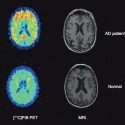
By Dr Jean-Luc Vanderheyden As the experience and advances in Positron Emission Tomography (PET) imaging grows, so does the belief that this technology can have a key role to play in ushering in an era of personalised medicine while also offering an enormous contribution in reducing the attrition rates in… Read More
Share Share Tweet Email Understanding the strategic importance of BIOMARKERS for the discovery and early development phases Understanding the strategic importance of BIOMARKERS for the discovery and early development phases By Dr Orest Hurko Biomarkers have become an increasingly hot topic in the pharmaceutical industry. How much of this is… Read More
The Role of the Medicinal Chemist in the Drug Discovery Process: current status and future prospects By Dr Stevan W Djuric The need for the pharmaceutical industry to produce a constant stream of new NCEs has never been more paramount but with constantly changing R&D paradigms what is the role… Read More
Share Share Tweet Email Automated Patch Clamping: Setting a new standard for early hERG Automated Patch Clamping: Setting a new standard for early hERG By Dr John Comley Ion channel targets remain a top priority for many Pharma and Biotechs with most looking to increase their screening efforts in 2006. Read More
By Dr Y. Douglas Dolginow The art and science of prediction is a risky and humiliating exercise. As bad as we are at it, predicting things remains one of the fundamental human instincts, undoubtedly linked to a Darwinian selective advantage for our species. So no matter that the umbrella was… Read More
Cryo Electron Microscopy and Electron Tomography By Dr Jack Elands and Dr Ulf Skoglund Cryo electron microscopy and electron tomography will play a crucial role in the future of drug development. The completion of the human genome project has focused tremendous interest in determining the structure and function of the… Read More
The search for validated biomarkers in the face of biosystems complexity By Professor Ian Humphery-Smith and Will Dracup As the pharmaceutical industry is all too well aware, the genomics and postgenomic sciences have delivered an excessive number of drug targets few of which have been well validated. Indeed, apart from… Read More