Pathway Analysis - Understanding the bridge between environmental cues and cellular response By Dr John Comley Understanding the function of a protein in the context of normal and abnormal cellular processes requires a comprehensive knowledge not only of its regulation but also of its role in signalling and metabolic networks… Read More
Biological Analysis and Interpretation For Improved Research Outcomes By Dr Douglas Bassett In the last few years, technological advancements in the life sciences have changed many ways in which we think about research. Next-generation sequencing, qPCR and microRNA offer new avenues to ask and answer research questions in more detail… Read More
From Outsourced To Open: The continuing evolution of the drug discovery business model Dr Mary Canady One doesn't have to look far to find that the large pharmaceutical business model has many market forces working against it, such as patent expirations, dwindling pipelines, and reduced R&D productivity. However, these factors… Read More
Share Share Tweet Email Stem Cell Banks: Investing in the promise of cancer stem cell science Stem Cell Banks: Investing in the promise of cancer stem cell science By Madeline Page and Rosario Isasi The national and international demand for stem cell lines of varying origins (eg human embryonic, induced… Read More
Small Scale Benchtop Automation: Broadening the adoption of lab automation By Dr John Comley Driven by the need to enable technically challenging or repetitive processes, many labs in drug discovery that were not previously adopters of laboratory automation are being increasingly drawn to the potential of simple small-scale benchtop automation. Read More
When High Content Screening Meets High Throughput By Dr Vincent Unterreiner and Dr Daniela Gabriel The terms High Content Imaging (HCI) and High Throughput Screening (HTS) were introduced more than a decade ago (1) and are defining the use of automated microscopy and automated image analysis in the context of… Read More
The Apocalyptic Horsemen of Drug Discovery and Development By Dr Gary J. Keil The pharmaceutical industry should consider an evolutionary disease management approach based on homeostasis, irreversibility, biological alinearity, pseudo-N-of-1 health and disease states and narrative medicine best practices in order to help secure a successful drug development future. The… Read More
A roadmap for achieving self-sustainability of academic high throughput screening core facilities By Dr Peter R. McDonald, Dr Anuradha Roy and Dr Rathnam Chaguturu Many academic HTS centres, faced with the high costs of drug discovery and decreasing federal funding, are struggling to survive. Just as with any small business,… Read More
By Dr John Anson, Oxford Gene Technology Molecular biomarkers that define a particular state or condition are a powerful tool used to diagnose disease, highlight patients with a pre-disposition towards a given disease and to identify those who would benefit from a given therapy. Until now, most diagnostic tests have… Read More
By Dr Aaron Heifetz The promise of stem cell technology as a tool for drug discovery, drug development and as a therapeutic modality is no longer in the future but part of contemporary healthcare. The speed which stem cells have been integrated into biomedical product development has surprised many, but… Read More
Epigenetics: Targeting the mediator between environment and phenotype By Dr John M. Rosenfeld, Dr Kan Saito and Dr Michael Sturges Although it is still early days in terms of our understanding of epigenetics, the fast development of new tools and technologies to define genome-wide epigenetic variations in humans has the… Read More
8 Years of Surveying Ion Channel Screening - Has anything changed? By Dr John Comley No review of ion channel screening over the past decade can avoid discussing the pivotal role played by automated electrophysiology. Arguably this technology, more than any other, has opened up the field to wider investigation,… Read More
Dr Wilma Keighley Generally kinetics are only investigated late in a programme by which time many compounds, slightly less potent but with a much better kinetic profile, have already been discarded. This paper argues that having kinetic information at the early stages of drug discovery can bring numerous benefits to… Read More
Early Patient Stratification is Critical to Enable Effective and Personalised Drug Discovery and Development By Dr David A Fryburg, Dr Diane H Song and Dr David de Graaf With the current chances of an efficacious outcome in Phase II for novel mechanisms being in the region of 1 in 5,… Read More
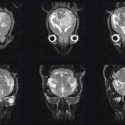
In Vivo Preclinical Imaging - An Essential Tool in Translational Research By Dr John Comley In vivo imaging of small animals (mainly mice) is increasingly being deployed across the drug development process, particularly in the oncology/cancer therapeutic area. One of the main applications is monitoring the treatment response for early… Read More
Next Generation Flow Chemistry and Biology Platforms: The Impact on Small Molecule Drug Discovery By Dr J Mark Treherne, Dr David M Parry and Christopher N Selway Can the next generation of flow chemistry and biology platforms be fully integrated to transform the efficiency of small-molecule drug discovery for pharmaceutical… Read More