The Benefits of Biological Modelling By Gordon Webster The enormous challenge posed by the complexity of biological systems represents a potential intellectual impasse to researchers and threatens to stall future progress in basic biology and healthcare. In recent years, increasing reliance on correlative approaches to biology has failed to resolve… Read More
Generation II DNA Sequencing Technologies By Dr Stephen F. Kingsmore, Dr Jenny C. van Velkinburgh, Dr Joann Mudge, and Dr Gregory D. May Generation II DNA sequencing has been widely heralded as a disruptive technology, generating tens of millions of random short sequences at efficiencies up to 20,000-fold greater than… Read More
Stem Cell Applications and Opportunities in Drug Discovery By Dr Mark A. Thiede The high attrition rate of late stage drug candidates has led the pharmaceutical and biotech industries to a reassess the in vitro models used to select and validate drug targets and subsequent lead molecules. Traditional cell lines… Read More
High Throughput Screening, High Content Screening, Primary and Stem Cells By Dr Richard M. Eglen Over the past decade, the use of cell-based assays has accelerated in modern drug discovery. Indeed, the majority of assays in either target validation or lead identification/optimisation all now employ cell-based technologies. Furthermore, a wide… Read More
Predicting Transporter-mediated Drug-drug Interactions Based on in Vitro Cell Permeability Assays By Dr Chris Bode Drugs may fail in clinical development or post-marketing for a variety of reasons: they may simply not be as effective as anticipated; poor pharmacokinetic properties may prevent them from reaching their intended target in therapeutic… Read More
Livening up HCS Imaging By Dr John Comley With the aid of recent end-user feedback, this article investigates interest in and use of live cell and kinetic HCS imaging; most wanted application areas: advantages of live cell HCS imaging; live cell HCS assays of greatest interest; what's limiting live cell… Read More
Natural Product Pharmaceuticals - The third generation By Dr Melanie McCullagh Compounds derived from natural products have made a big impact on the pharmaceutical industry. Of the 1,010 NCEs approved between January 1981 and June 2006, 43 were unaltered natural products (NPs) and a further 232 (23%) were second generation… Read More
High Content Screening - The next challenge: effective data mining and exploration By Dr Kurt Zingler and Dr Stephan Heyse The use of high content screening within HTS is growing and with many past hurdles now overcome, the need for effective tools for data analysis is becoming paramount. Over the… Read More
By Dr Anil Vasudevan Since the original publications on the benefits of conducting organic reactions in a microwave by Gedye (1) and Majetich (2) in the mid-80s, the uptake of this technique was sluggish at best for the next 12-14 years. However, the past few years have witnessed an explosion… Read More
Screening the Human Kinome - Expectations Met or Promises Pending? By Dr Richard M. Eglen Protein kinases are important targets in drug discovery programmes aimed at treating cancer, autoimmune disorders, diabetes and neurological disorders. Novel information on kinase biology is opening up other approaches in the design of selective inhibitors… Read More
Is Amyloid-related Toxicity an Inevitable Consequence of Ageing? By Dr J Mark Treherne and Dr David IC Scopes Amyloid-related toxicity need not necessarily be the inevitable consequence of ageing, if some of the new drug discovery strategies to treat neurodegenerative and other ageing-related diseases succeed in the clinic. An increasing… Read More
Progress in Systems-Based Analysis of Cellular Signalling By Dr Jeffrey A. Radding Drug discovery currently focuses on targeted approaches, relying on validation of the target as a disease driver. However, the underlying biological complexity of disease often frustrates these attempts at therapeutic intervention, resulting in high failure rates due to… Read More
Human ES Cell Derived Functional Cells as Tools in Drug Discovery By Dr Petter Bjorquist, Dr Peter Sartipy, Dr Raimund Strehl and Dr Johan Hyllner The drug discovery process is extremely-time consuming and expensive. Consequently, novel approaches for these processes and for reducing late-stage attrition are of great value for… Read More
Next Generation DNA Sequencing Technologies By Dr Bruce E. Taillon and Brendon Hill Human genetics is the foundation of disease as well as the response to pharmaceutical agents. Today, promising drugs are abandoned due to the lack of significant efficacy in broad patient populations. Recently, blockbuster drugs have been removed… Read More
21st Century Vaccines - A Development Renaissance By Dr Jeff Stoddard, Charles Drucker and Dr Nigel Brown Human beings have benefited from vaccines for more than two centuries. From eradicating some of the deadliest diseases to nearly eliminating a host of others, including polio, measles, mumps and tetanus - vaccines… Read More
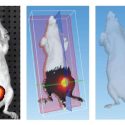
How Non-invasive Visible Light Imaging Can Change Drug Discovery Dr Peter Lassota and Dr Anjani Shah In the past decade, non-invasive visible light imaging gained acceptance not only as a valuable research tool, but also as a means of evaluating new compounds for efficacy and pharmacodynamic properties in drug discovery. Read More