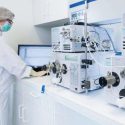
The Coming Age Of Mass Spectrometry Imaging By Dr Peter J.H. Webborn and Dr Richard J.A. Goodwin Mapping complex drug distribution/retention in tissues, aligned with efficacy and safety biomarker localisation is now possible using label-free mass spectrometry imaging technologies. While there remain challenges to be overcome, these molecular imaging techniques… Read More
Synthetic Lethality and Anti Cancer Drug Discovery By Jonathan D Moore Classically-activated oncogene targets have been a mainstay of cancer drug discovery for the past 15 years, but the druggable targets in this category have been largely mined out. Future efforts to drug the cancer genome must take synthetic lethal… Read More
by Dr John Comley The case for using more physiologically-relevant cells for modelling disease pathophysiology, for understanding a drug’s mechanism of action, in toxicology/safety testing and in phenotypic drug screening assays is now well accepted. Human induced pluripotent stem cells (iPSCs) are seen as a resource from which to… Read More
The Role Of Immunodeficient Animal Models In Advancing Immuno-Oncology Research By Dr Michael Seiler From inbred wild-type to more advanced genetically-engineered strains, mouse models enable researchers to gain important insights into the complex biological underpinnings of human cancer. Among those, spontaneous and genetically engineered immunodeficient strains can be administered in… Read More
Digital Pharma - How Digital Is Reshaping The Pharma Arena By Ulrica Sehlstedt, Nils Bohlin, Fredrik de Mare and Richard Beetz The pharmaceutical industry in the 20th and early 21st century has been in constant change, driven by both incremental and breakthrough innovations. These range from the discovery of penicillin… Read More
Magnetic Resonance Imaging (MRI) In Drug Development By Dr Geoff J.M. Parker Magnetic Resonance Imaging (MRI) can be used to provide quantitative measurements in the form of imaging biomarkers. These measurements have a number of attractive characteristics: They are non-invasive, can provide organ and lesion localisation of morphology, physiology and… Read More
Drug Discovery in a Multi-Omics World By Mike Furness Collectively rare diseases affect millions of people worldwide, but the number of people with any one condition is very small. Finding a cure is difficult as the market is not large enough to justify a big investment in drug development. This… Read More
Chimeric Antigen Receptor T-cells (CAR-T): Looking beyond the hype By Christoph Oldenburg, Dr Markus Thunecke and Dr John Herrmann While Chimeric Antigen Receptor T-cells (CAR-T), have already demonstrated convincing efficacy in a specific setting, the jury is still out on whether they are a ‘game-changer’ for oncology as a whole… Read More
Therapeutic Drug Repurposing, Repositioning and Rescue Part IV: Financial model and analysis By David M. Kauppi and Dr Stephen Naylor There is a growing consensus that Drug Repurposing, Repositioning and Rescue (DRPx) impacts all stakeholders involved in the therapeutic drug sector. In part, this is due to the fact that… Read More
By Dr Jean- Pierre Wery Optimal treatment for any disease is one that can cure or prevent spreading with minimal impact on the patient’s quality of life. In the case of cancer, therapeutic agents were initially designed to kill rapidly dividing cells. These traditional treatments, namely chemotherapy and radiotherapy, remain… Read More
Valuation In Pharma Portfolio Management By Dr Michel Azoulay Throughout the course of my career, I have been involved in a wide range of portfolio decisions and continue to be involved in them today. Over the years, it has been observed that despite cultural differences, pharma teams face similar problems. Read More
Phenotypic Drug Discovery: Striving towards the highest level of biological relevance By Dr John Comley Phenotypic drug discovery (PDD) implies screening where the molecular mechanism of action is not assumed and does not require knowledge of the molecular target. As such phenotypic drug discovery is comparable to empirical screening, which… Read More
How Neutron Science Has Enabled Innovation in Drug Design and Delivery By Dr Giovanna Fragneto Meeting global health challenges, from cancer to viral infections, requires a profound understanding of living processes – not just at the level of cells but right down at the molecular level. And designing the most… Read More
The California Institute for Regenerative Medicines Human iPSC Initiative By Dr Thomas J. Novak This article discusses large-scale generation of patient-derived induced pluripotent stem cells (iPSCs) to accelerate the understanding of disease biology and drug discovery. In 2012, the California Institute for Regenerative Medicine (CIRM) announced its Human iPSC Initiative,… Read More
The Increasing Impact of Precision Research Models on Drug Discovery and Development Dr Amar Thyagarajan Animal models are the standard by which we gain insight into the complex biological processes that underlie normal human physiology and disease states. Rodent models such as rats and mice have been used to understand… Read More
mRNA Will Revolutionise the Biopharmaceutical Industry By Dr Ingmar Hoerr Messenger RNA (mRNA) - the naturally occurring molecule honed over thousands of years of evolution to translate accurately and efficiently the information encoded in a cell's DNA into the proteins essential for maintaining cell function and ensuring an organism’s survival,… Read More