Medicinal Chemistry: Progress through innovation By Dr Terry Hart Medicinal chemistry is a specialised science that has evolved to encompass a broad range of disciplines concerned with the identification, synthesis and development of drug-like compounds for therapeutic use. It needs a wide range of expertise, developed through years of training,… Read More
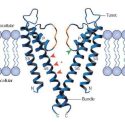
Ion Channel Drug Targets: Unlocking the potential By Dr Dayle S. Hogg, Dr Philip Boden, Dr Geoff Lawton and Dr Roland Z. Kozlowski A striking number of drugs targeting ion channels have reached blockbuster status, generating $ billion revenues. In spite of the historical success of ion channels as therapeutic… Read More
Immunogenicity of Therapeutic Proteins By Dr Ivo Van Walle, Dr Ignace Lasters and Philippe Stas Therapeutic proteins enter the market in increasing numbers, and current observations confirm that most of these biopharmaceuticals are to a variable extent immunogenic. This may compromise the efficacy, safety as well as the target market… Read More
Current Biosensor Technologies in Drug Discovery By Dr Matthew A. Cooper Over the past two decades the benefits of biosensor analysis have begun to make an impact in the market, and systems are beginning to be used as mainstream research tools in many laboratories. Biosensors are devices that use biological… Read More
Silence For Health - Development of RNA interference based cancer therapy By Dr Ansgar Santel RNA interference (RNAi) has become an invaluable tool for biomedical research. It is already routinely used as an indispensable approach for gene function analysis in basic biological research and for target identification as well as… Read More
Advances in laboratory automation for drug discovery By Charanya Ramachandran Laboratory automation has metamorphosed the realm of drug discovery over the years through two of major influential factors – cost benefit and error reduction. Automation has reframed the traditional drug discovery process by making feasible the identification of many targets… Read More
By Dr Amarpreet S Dhiman In terms of drug discovery and development, the role of nanotechnology currently lies in improving diagnostic methods, developing improved drug formulations and drug delivery systems for disease therapy. The breakthrough format of nanotechnology offers innovative solutions, giving researchers greater analytical capacity, improved data quality and… Read More
TR-FRET Based Assays - Getting better with age By Dr John Comley Despite having been available for nearly 15 years, TR-FRET based assays are still the preferred fluorescent assay format for many screeners. A recent survey ranked Cisbio’s TR-FRET product (HTRF) as the most frequently used generic assay technology. GPCR… Read More
Share Share Tweet Email Understanding the strategic importance of BIOMARKERS for the discovery and early development phases Understanding the strategic importance of BIOMARKERS for the discovery and early development phases By Dr Orest Hurko Biomarkers have become an increasingly hot topic in the pharmaceutical industry. How much of this is… Read More
By Dr George G. Harrigan The potential of metabolomics, a systems approach to biochemical pathway analysis, to yield scientific and commercial benefits to healthcare and biotechnology enterprises is increasingly recognised. This article discusses current applications and future developments and places an emphasis on incorporation of metabolomics within all aspects of… Read More
High Throughput Screening: meeting the challenges of more cell-based assays and HCS By Sandra Fox, MBA The use of high content screening and cell-based assays within high throughput screening (HTS) laboratories is on the increase but there are still many challenges to overcome. Each year, HTS laboratories perform slightly more… Read More
Development of an HTS FabD inhibition assay using a new 384-well filter plate to screen novel antibiotics by Dr Gatan Touyer, Dr Christine Miossec, and Dr Irvin Winkler Several enzymes are involved in the fatty acid biosynthesis (Fab) system of bacterial organisms. Unlike the mammalian FAS enzyme system in which… Read More
Personalised Medicine: What's in it for big pharma? By Dr Stephen Little There is nothing more difficult to take in hand, more perilous to conduct, or more uncertain in its success, than to take the lead in the introduction of a new order of things. Because the innovator has far… Read More
Next Generation HIV Drugs move into late stage development By Dr Graham P. Allaway and Dr Jeffrey M. Jacobson There are currently 24 drugs approved for treating HIV infection. Of these, 23 are small molecule orally available drugs, or drug combinations, targeting the virus' reverse transcriptase and protease enzymes, targets… Read More
Immunomodulation: emerging from obscurity into a major therapeutic class By David Gee While not initially apparent, immunomodulation is high on the pharma agenda if recent deal making is a valid indicator. This article discusses the potential of immunomodulation to rise from the relative obscurity of adjuvants in vaccines to mainstream… Read More
Advances in the imaging of biomolecules: the label-free intrinsic imaging approach By Dr Stuart Hassard, Dr Anthony D. Baxter and Dr John Hassard Many stages in the process of drug discovery require the separation, identification and analysis of biomolecules such as proteins, peptides and nucleic acids. Such analyses have traditionally… Read More