The Microplate Market Past, Present and Future By Dr Peter Banks Microplates and the peripheral markets of liquid handling and detection technologies exist within almost all laboratories performing assays. This article discusses what, if any, are their growth expectations and whether there are new technologies on the horizon that could… Read More
High Throughput Screening, High Content Screening, Primary and Stem Cells By Dr Richard M. Eglen Over the past decade, the use of cell-based assays has accelerated in modern drug discovery. Indeed, the majority of assays in either target validation or lead identification/optimisation all now employ cell-based technologies. Furthermore, a wide… Read More
Next Generation Immunoassay Systems and the Revival of Protein Biomarkers By Dr John Todd and Dr Sara J. Agee Proteins are the machinery that drive most biological processes; however, measuring their concentrations at low levels has been historically impeded by a lack of appropriately sensitive technology. Advances in immunoassay technology,… Read More
Growing Interest in Outsourcing Ion Channel Services By Dr John Comley Summer 2008 Significant demand now exists in Pharma and Biotech to access ion channel testing services and this is reflected by the number and the variety of service offerings. In the highly competitive area of cardiac safety hERG testing… Read More
Progress in the Implementation of Label-Free Detection - Cell-based assays By Dr John Comley Progress made in the use of impedance and optical grating technologies for label-free detection of cell-based assays where examined in HTStec's recent Cell-Based Label-Free Detection Trends report. Uniquely all of these label-free offerings are plate-based and… Read More
Progress in Systems-Based Analysis of Cellular Signalling By Dr Jeffrey A. Radding Drug discovery currently focuses on targeted approaches, relying on validation of the target as a disease driver. However, the underlying biological complexity of disease often frustrates these attempts at therapeutic intervention, resulting in high failure rates due to… Read More
Human ES Cell Derived Functional Cells as Tools in Drug Discovery By Dr Petter Bjorquist, Dr Peter Sartipy, Dr Raimund Strehl and Dr Johan Hyllner The drug discovery process is extremely-time consuming and expensive. Consequently, novel approaches for these processes and for reducing late-stage attrition are of great value for… Read More
Novartis Vaccines - Leading through innovation and technology By Dr Joerg Reinhardt Every year, vaccines save millions of lives by preventing major human diseases, protecting individuals and those close to them, and offering widespread public defence against disease. In 2006, Novartis joined the vaccines market when it acquired Chiron, creating… Read More
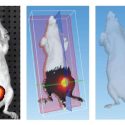
How Non-invasive Visible Light Imaging Can Change Drug Discovery Dr Peter Lassota and Dr Anjani Shah In the past decade, non-invasive visible light imaging gained acceptance not only as a valuable research tool, but also as a means of evaluating new compounds for efficacy and pharmacodynamic properties in drug discovery. Read More
Reshaping the Landscape of Cancer Drug Discovery and Development By Dr Paolo Paoletti The landscape of cancer drug discovery and development is shifting, adjusting and reshaping itself in response to the huge rush of scientific knowledge which has come to the fore over the past few decades. In collaboration with… Read More
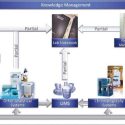
Enabling Collaborative Science via the Integration of Analytical Data into Organisational Systems By Mark Bayliss The storage of data drawn from the analytical process has for years been the stumbling block in the overall ‘knowledge management’ of the discovery process. This article argues that current scientific data management packages offer… Read More
The Role of Microarray Technology in Pharmaceutical Development and Diagnostics By Richard Fisler The expectation that microarray technology will play a large role in shaping the future of pharmaceutical development and diagnostics has greatly increased due to new products and applications. Microarrays for gene expression have made a profound impact… Read More
Implementing and Operating Large Complex Capital Projects in a Research Environment By Dr Tim Peakman UK Biobank is a major UK study that will recruit 500,000 volunteers aged between 40 and 69 to provide a resource to study the link between genetic factors, environment and lifestyle in the causes of… Read More
The Genome as a Tool for Drug Discovery and Development the Case for Embracing Complexity By Dr Kenneth C. Carter Conventional drug discovery and development is centred on a paradigm in which 'validated' targets are subjected to in vitro screens for the identification of new drug candidates. Molecular profiling using… Read More
Stem Cell Patent Trends and The Promise of Stem Cell Therapies By Dr Gareth Williams Stem cell therapies hold great promise for future medical treatment, but in order to realise their potential there must be sufficient investment, private or public, in the technology. A key aspect of obtaining investment in… Read More
Silence For Health - Development of RNA interference based cancer therapy By Dr Ansgar Santel RNA interference (RNAi) has become an invaluable tool for biomedical research. It is already routinely used as an indispensable approach for gene function analysis in basic biological research and for target identification as well as… Read More