
New data indicate duvakitug could “transform” IBD treatment
Sanofi and Teva Pharmaceuticals have revealed new results from their Phase IIb study of duvakitug for ulcerative colitis (UC) and Crohn’s disease (CD), the two most common forms of inflammatory bowel disease (IBD).
The results were shared in two oral presentations at the 20th Congress of the European Crohn’s and Colitis Organisation (ECCO) in Berlin, Germany.
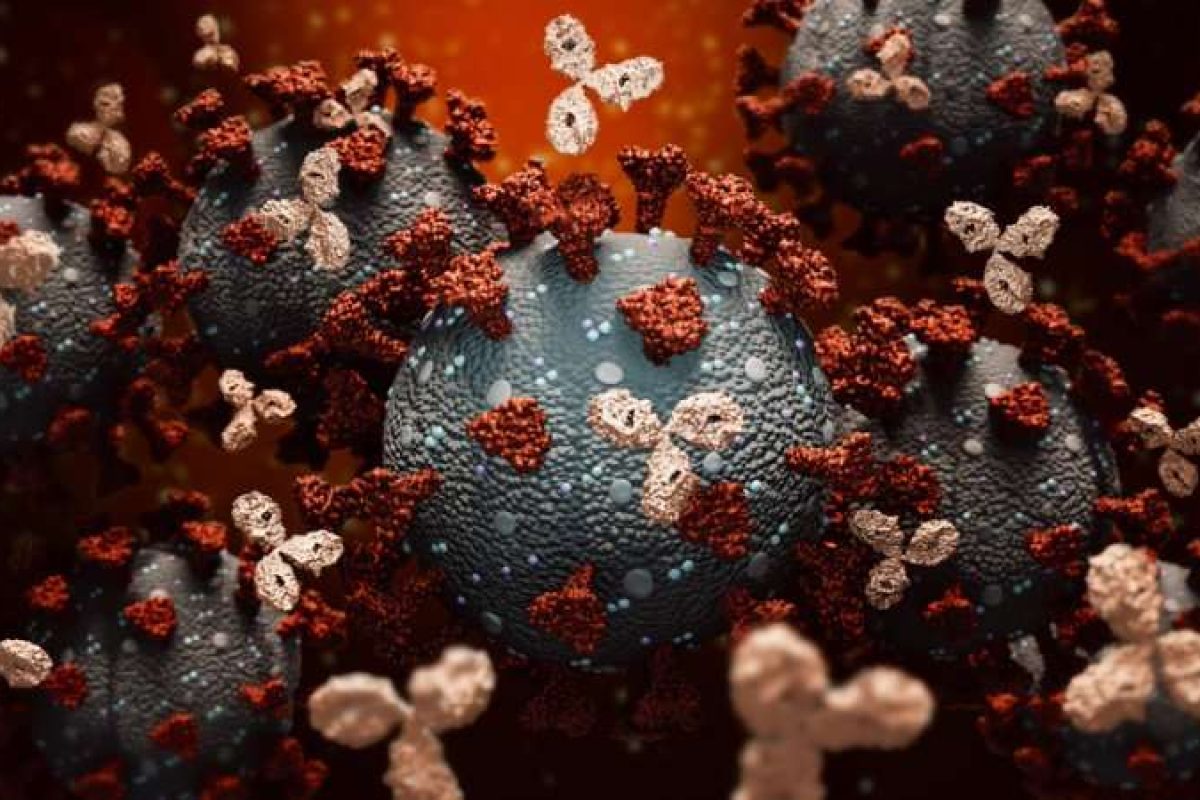
Duvakitug is a potential best-in-class human IgG1-λ2 monoclonal antibody that targets tumour necrosis factor (TNF)-like ligand 1A (TL1A), also known as TNF superfamily member 15 (TNFSF15).
TL1A signaling is believed to amplify inflammation and drive fibrosis associated with IBD through binding its receptor, death receptor 3 (DR3).
Duvakitug is designed to inhibit preferentially TL1A signalling via DR3, with the potential advantage of reduced TL1A-DcR3 inhibition.
Ulcerative colitis
In the UC cohort of the RELIEVE UCCD study, 36% (450mg dose) and 48% (900mg dose) of patients treated with duvakitug achieved the primary endpoint of clinical remission (mMS) at week 14, compared to 20% treated with placebo.
In addition, higher clinical remission rates were observed for both doses of duvakitug versus placebo in both advanced therapy (AT) -experienced and AT-naïve subgroups of patients.
Walter Reinisch, Medical University of Vienna, and lead investigator of the RELIEVE UCCD study, said: “Patients, many of whom have spent years in a recurring cycle of remission and relapse, have been waiting a long time for better options in treating ulcerative colitis. We’re highly encouraged by the significant treatment response, compared to placebo, seen in the study, both in advanced therapy naïve-and experienced patients. With this potential of duvakitug to reduce inflammation, we could truly transform treatment for patients with IBD in a safe manner.”
Crohn’s disease
In the CD cohort, 26% (450mg dose) and 48% (900mg dose) of patients treated with duvakitug achieved the primary endpoint of endoscopic response (SES-CD) compared to 13% on placebo.
In addition, higher endoscopic response rates were observed for both doses of duvakitug versus placebo in both AT-experienced and AT-naïve subgroups of patients.
“Every day, I see patients with Crohn’s disease who continue to suffer from the often-severe symptoms of the disease despite available treatments,” said Vipul Jairath, Professor of Medicine in the Departments of Medicine, Epidemiology and Biostatistics at Western University, and lead investigator of the RELIEVE UCCD study. “The endoscopic response rates seen in this study support the potential of duvakitug as an effective new option for those who are in desperate need of relief.”
Diana Spencer, Senior Digital Content Editor, DDW