
Improving the predictive power of GPCR assays: Revealing hidden pharmacology
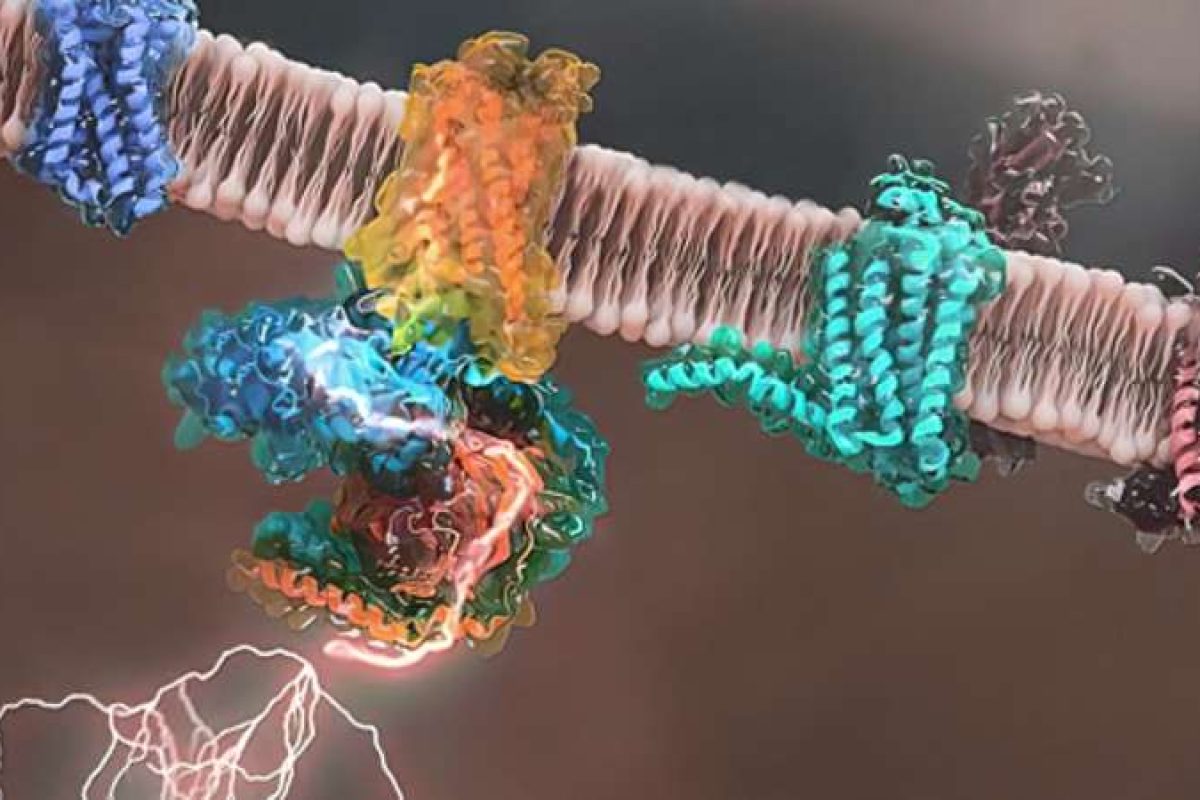
During this webinar, hosted by DDW and supported by Eurofins DiscoverX, Dr Terry Kenakin (North Carolina School of Medicine, Chapel Hill), examines the concept of functional “volume control” as a strategy to modulate system sensitivity and thereby elucidate the true pharmacological properties of ligands acting at GPCRs. By experimentally tuning receptor density and cellular responsiveness, it is possible to quantitatively assess ligand affinity and efficacy within a unified operational framework. Applications of this approach will be discussed; specifically, reducing system sensitivity can enable the estimation of intrinsic efficacy and affinity through partial agonism, while further modulation may convert low-efficacy agonists into measurable antagonists. Conversely, increasing system sensitivity can reveal latent efficacies, including partial agonism or inverse agonism in compounds previously classified as neutral antagonists.
The webinar will also highlight how functional volume control facilitates mechanistic differentiation of allosteric modulators by distinguishing effects on affinity versus efficacy.
Overall, these approaches provide a framework for improving the quantitative interpretation of pharmacological data and enhancing the predictive value of in vitro assays for in vivo drug activity.