
Heparin provides a cheap antidote for cobra bites
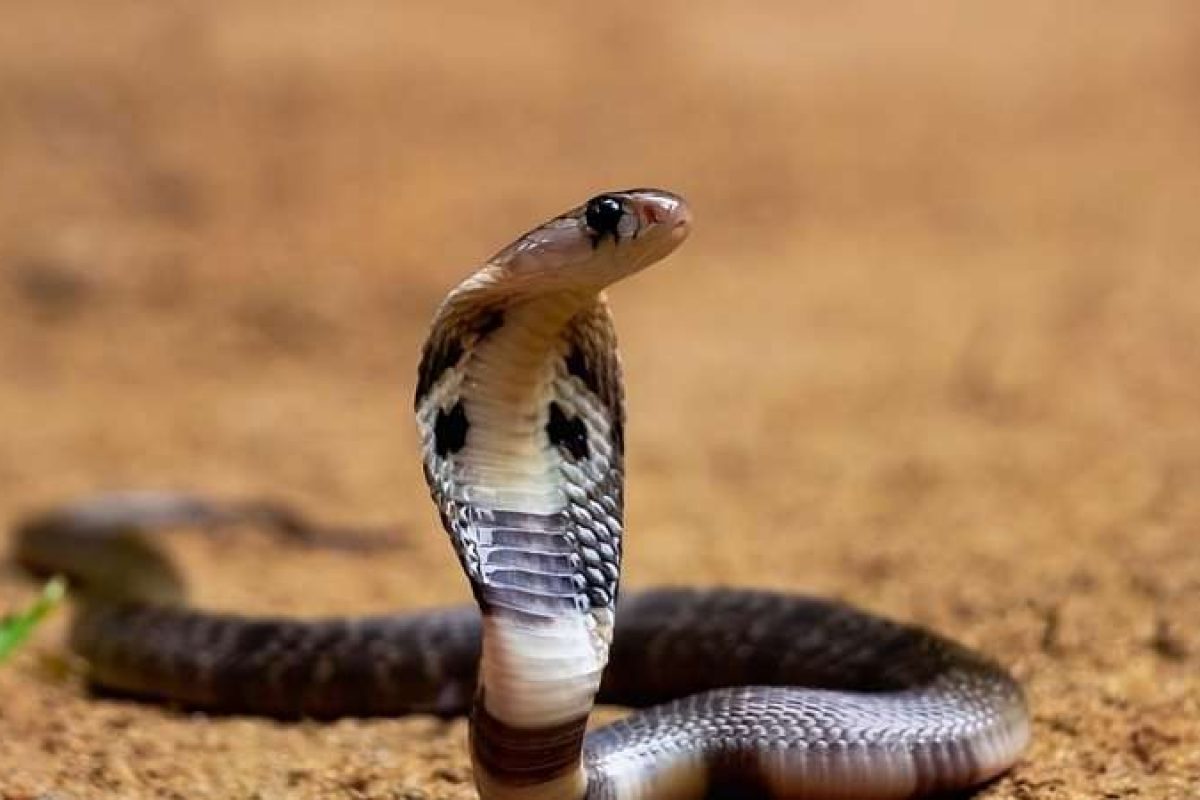
Scientists at the University of Sydney and Liverpool School of Tropical Medicine have revealed that a commonly used blood thinner, heparin, can be repurposed as an inexpensive antidote for cobra venom.
Cobras kill thousands of people a year worldwide and many more are seriously maimed by necrosis caused by the venom, which can lead to amputation.
The World Health Organization has announced a goal of reducing the global burden of snakebite in half by 2030. However, current antivenom treatment is expensive and does not effectively treat the necrosis of the flesh where the bite occurs.
“Our discovery could drastically reduce the terrible injuries from necrosis caused by cobra bites – and it might also slow the venom, which could improve survival rates,” said Professor Greg Neely, a corresponding author of the study from the Charles Perkins Centre and Faculty of Science at the University of Sydney.
Using CRISPR gene-editing technology to identify ways to block cobra venom, the team, which consisted of scientists based in Australia, Canada, Costa Rica and the UK, successfully repurposed heparin (a common blood thinner) and related drugs and showed they can stop the necrosis caused by cobra bites.
Unlike current antivenoms for cobra bites, the heparinoid drugs act as a ‘decoy’ antidote. By flooding the bite site with ‘decoy’ heparin sulfate or related heparinoid molecules, the antidote can bind to and neutralise the toxins within the venom that cause tissue damage.
Joint corresponding author, Professor Nicholas Casewell, Head of the Centre for Snakebite Research & Interventions at Liverpool School of Tropical Medicine, said: “Snakebites remain the deadliest of the neglected tropical diseases, with its burden landing overwhelmingly on rural communities in low- and middle-income countries. Our findings are exciting because current antivenoms are largely ineffective against severe local envenoming.”
Diana Spencer, Senior Digital Content Editor, DDW