
Abandoned drug could treat a neglected parasitic infection
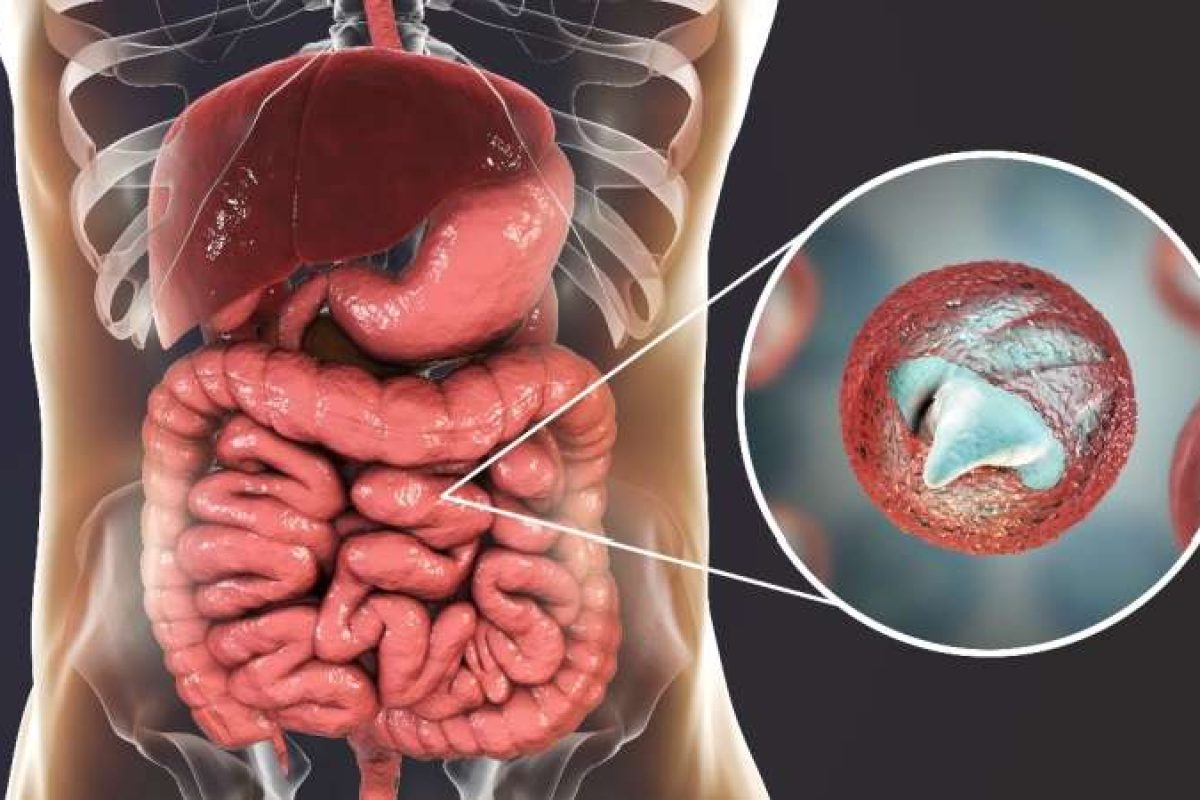
Investigators have found evidence that the cholesterol-lowering drug lapaquistat could be an effective treatment for Cryptosporidium, an intestinal parasite.
Researchers at the Francis Crick Institute in London, UK, have mapped the human metabolic pathways that Cryptosporidium requires to survive.
The scientists say that shutting down these pathways may offer a new way to treat patients while avoiding the development of drug resistance.
The parasite Cryptosporidium invades and reproduces inside epithelial cells in the gut, causing severe diarrhoea, which is particularly dangerous for children in endemic regions and people with weakened immune systems.
In a study published in Cell, the researchers aimed to understand what this parasite requires from the host epithelial cell, in order to identify new options for interventions.
They conducted a genome-scale screening experiment, based on CRISPR genetic editing, which involved systematically disabling nearly every protein-coding gene, individually, from human intestinal cells.
Repurposing lapaquistat
The researchers found that the genes that are involved in making cholesterol, appeared to have opposing effects – some boosting infection and others blocking it. Removing genes before squalene production blocked infection, while removing genes after squalene production boosted infection.
Squalene is secreted from glands in our skin, where it is known to play a protective role, particularly against oxidative stress. The team discovered that squalene plays a similar role in the intestine: when squalene levels are high, reactive oxygen species (a hallmark of oxidative stress) are low and vice versa.
The primary way that humans control oxidative stress is through a molecule called glutathione. While the Cryptosporidium parasite uses glutathione, it cannot make its own, leaving it dependent on glutathione from the intestinal cell.
Squalene production can be directly inhibited with lapaquistat, a drug originally developed for treatment of high cholesterol, and then later abandoned.
Within a mouse model of disease, lapaquistat reduced the infection and completely blocked intestinal damage, suggesting that the drug could be repurposed to fight Cryptosporidium.
Adam Sateriale, Group Leader of the Cryptosporidiosis Laboratory, said: “Cryptosporidium infections can be life-threatening, especially in children, so we urgently need new treatments. There is already extensive safety data for lapaquistat, making it easier to fast-track clinical trials for Cryptosporidium. And because the drug targets a host pathway, and not a single parasite protein, there should be a much larger barrier to the parasite developing drug resistance.”
Diana Turner, Senior Digital Content Editor, DDW