
Harnessing circRNAs could “change the landscape” of cancer therapy
Circular RNAs (circRNAs) have “remarkable potential” to improve cancer treatment and patient outcomes within the next five to 10 years, according to a new study by Flinders University in Australia.
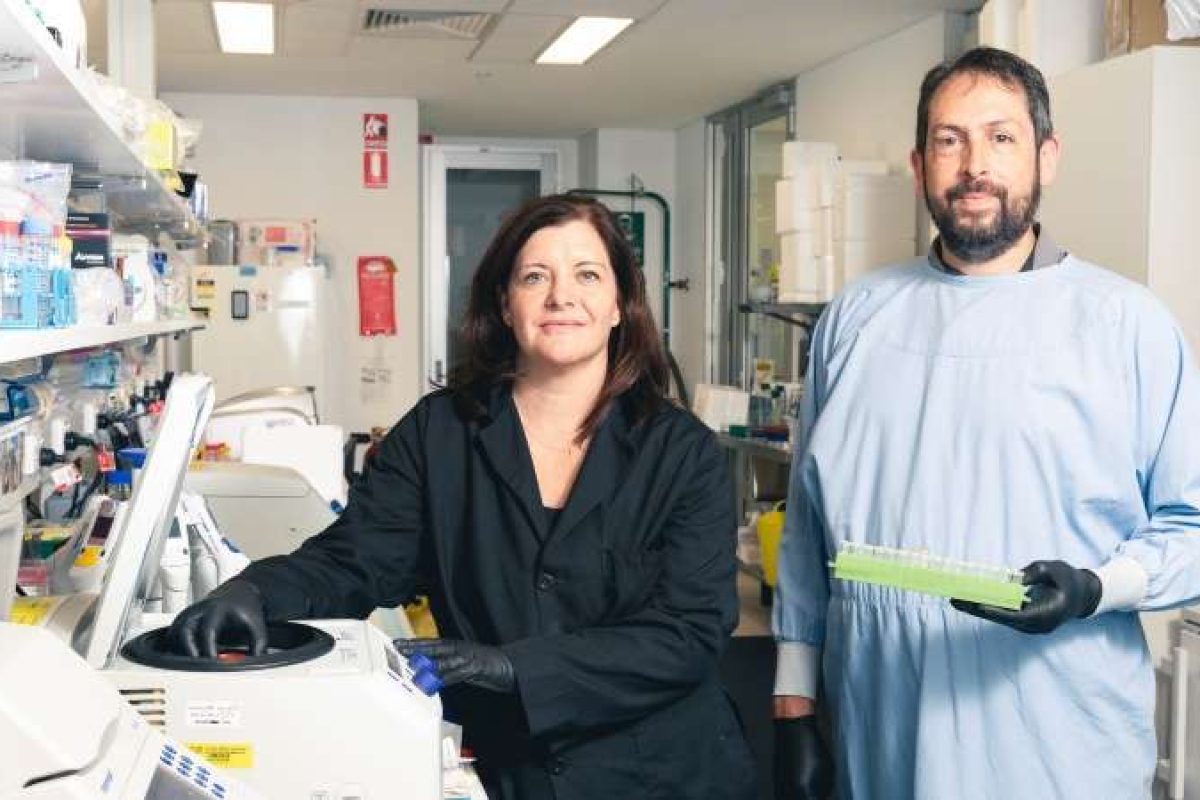
The research was led by Senior Researcher Dr Vanessa Conn and Professor Simon Conn, who leads the Circular RNAs in Cancer Laboratory at the Flinders Health and Medical Research Institute (FHMRI).
“Over the past decade, research into circRNAs has emerged as a vital area of study, revealing the crucial role these unique RNA molecules play in cancer biology,” said Professor Conn. “By understanding the specific functions of circRNAs at every stage of cancer, we hope to harness them in the fight against cancer paving the way for innovative diagnostic and therapeutic developments that may change the landscape of oncology forever.”
The study ‘Circular RNA in Cancer’ reviewed key aspects of circRNAs including how they are made, the way they function in driving cancer and how they can be exploited as a novel treatment for cancer.
Revealing circRNAs’ role in cancer
In the 10 years since circRNAs were discovered, researchers have found there are more than 10 times as many circRNAs than all other RNAs combined.
We now also know that they play a role in every stage of almost every cancer – from initiating the first cancer-causing mutation through to metastasis and even making cancer cells resistant to chemotherapy.
Professor Conn commented: “Information on circRNAs is rapidly advancing, we now know that natural circRNAs can be used to induce an immune response to kill cancer cells. We’ve also discovered that high levels of circRNAs in certain people can cause mutations in their DNA which results in leukaemia.”
Dr Vanessa Conn added: “Critically, by using strategies to increase or decrease specific circRNAs in cancer, we can use them as a completely novel therapy that will benefit patients with difficult to treat cancers, such as brain cancer and pancreatic cancer.
“As we continue to uncover the intricate workings of circRNAs, the potential applications in personalised medicine may soon become a reality.”
Image shows: Simon and Vanessa Conn. Credit: The Flinders Foundation.
Diana Spencer, Senior Digital Content Editor, DDW