
First tRNA development candidate restores protein production
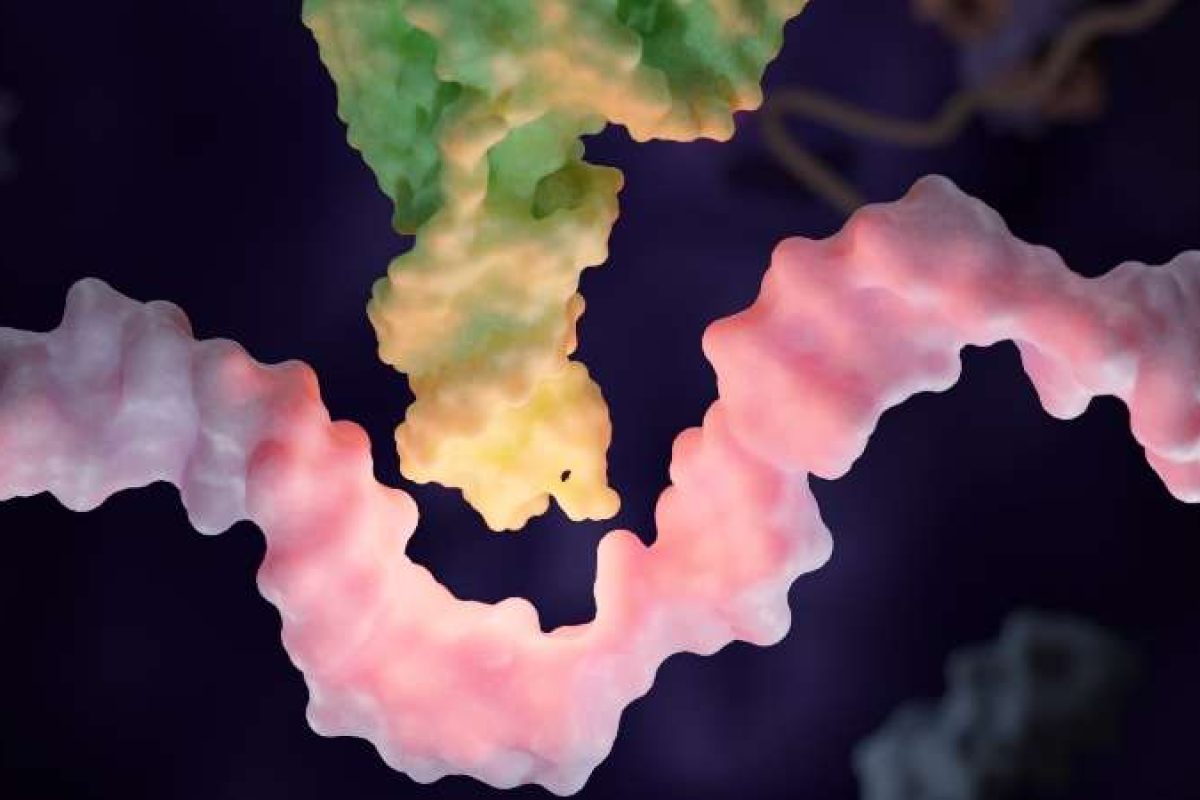
Data demonstrate that engineered tRNA from Alltrna’s first development candidate restores protein production to clinically meaningful levels in two disease models driven by the same premature termination codon.
AP003 is a chemically modified, engineered tRNA oligonucleotide in a clinically validated, liver-directed lipid nanoparticle (LNP) that can readthrough the arginine to TGA (Arg-TGA) premature termination codon (PTC).
A single dose of AP003 tRNA showed robust in vivo restoration of protein production to clinically meaningful levels in two transgenic Stop Codon Disease mouse models, methylmalonic acidemia (MMA) and phenylketonuria (PKU).
The data were presented at the Nature Conference: RNA at the Bench and Bedside IV, taking place at The Salk Institute in La Jolla, California.
“These data represent an important milestone for Alltrna, demonstrating robust in vivo activity and clinically relevant protein restoration across two disease models representing two different inborn errors of metabolism driven by the same premature termination codon,” said Michelle Werner, CEO of Alltrna and CEO-Partner at Flagship Pioneering.
“We believe these data support the potential for a basket approach to developing AP003 for the treatment of many rare genetic liver diseases caused by an Arg-TGA PTC, including the organic acidemias and aminoacidopathies represented by our MMA and PKU Stop Codon Disease mouse models. We look forward to advancing our IND enabling studies for AP003.”
>>> Read the DDW interview with Dr Caroline Kӧhrer, Vice President, Discovery Platform, Alltrna.
tRNA can address multiple diseases
In an MMA Stop Codon Disease mouse model, developed by Alltrna and collaborators, a single dose of the tRNA component of AP003 (tRNA-3) in a LNP delivery system restored in vivo protein levels of methylmalonyl-CoA mutase (MMUT) to approximately 25% of wildtype levels at Day 4, well above the 1-2% protein rescue considered to be clinically meaningful in MMA by key opinion leaders.
Protein levels remained above 1-2% of wildtype 14 days after dosing, which was the longest time point tested.
In a new Stop Codon Disease mouse model of PKU, developed by Alltrna, a single dose of AP003 demonstrated phenylalanine hydroxylase (PAH) restoration to 7% of wildtype levels within 72 hours, exceeding the clinically relevant 3% protein rescue target defined by key opinion leaders. Further, this PAH protein restoration resulted in a meaningful 76% reduction of phenylalanine (Phe) levels from baseline, as PAH is the enzyme responsible for breaking down Phe. When PAH is mutated or deficient, Phe accumulates to toxic levels, causing the hallmark elevated Phe levels observed in PKU.
“Based on tRNA’s critical role in protein translation, a single tRNA medicine is uniquely positioned to address multiple diseases that have a shared mutation. We are excited to see that our engineered tRNA can in fact achieve significant restoration of protein production above clinically relevant target levels in both MMA and PKU, where a premature termination codon would otherwise create a truncated or missing protein,” said Chris Henderson, Chief Scientific Officer of Alltrna.
“In addition, to our knowledge, these are the first preclinical data with a tRNA candidate demonstrating that protein restoration leads to meaningful changes in levels of a clinical biomarker (Phe) that is recognised as a registrational endpoint in humans.”
Diana Spencer, Senior Digital Content Editor, DDW