


NanoTemper outlines four questions to ask yourself to ensure you’re on the right track Working in PROTACs, you’re tasked with the most challenging targets — that aim to address intractable diseases such as cancer, Alzheimer’s, or Parkinson’s disease. Despite the impressive promise of PROTACs, you still have to overcome many… Read More

Listen to this article on the DDW Podcast: From AI to 3D deep-learning research to biologics, Lu Rahman selects some interesting global start-ups pushing the boundaries in drug discovery. Owkin French-American startup, Owkin is focussed on using artificial intelligence (AI) to discover and develop better treatments for… Read More
This whitepaper brought to you by Mirus Bio details the multiple approaches developers can use to verify the quality and functionality of viral assays. Download the latest Mirus Bio whitepaper to learn about: Methods to characterize lentivirus and adeno-associated virus Differences between physical and functional assays of virus How to… Read More

This paid-for advertorial by Eurofins Discovery appeared in Volume 23 – Issue 3, Summer 2022. In the following article, Luke Oostdyk, Lakshmi Anantharaman and Nicole Servant from Eurofins Discovery discuss how G-Protein Coupled Receptor screening and profiling can advance drug discovery programs. The sheer number of understudied and orphan receptors in… Read More
In this infographic by NanoTemper, follow the steps a monoclonal antibody takes on its journey when filing for both an investigational new drug (IND) and biologics license application (BLA). In the infographic, learn about: • The typical timeline and steps for the… Read More

This e-book by NanoTemper looks at the workflows researchers are using in the biologics space and the benefits dynamic light scattering (DLS) offers. You will find out: What biologics are and why they’re important How DLS gives you information about your samples and what that data means Tips and… Read More
Drug-induced mitochondrial dysfunction has been linked to compound attrition, organ toxicity, black-box warnings, and market withdrawals. Agilent has released a mitochondrial toxicity infographic to help you discover the benefits of novel in vitro strategies for consumer safety. This infographic is designed to help: Gain a historical perspective on mitochondrial toxicity. Read More

Culturing cells in 3D is simply a more realistic way to model how cells move and function in vitro. Spheroids, organoids, and more complex 3D systems have been invaluable to research, drug discovery, and personalised medicine. This e-book, sponsored by Corning, offers a practical guide for demystifying spheroids and organoids… Read More

AI in drug discovery eBook out now This 28-page DDW eBook, sponsored by Benchling, contains exclusive insight from industry experts on how technology is driving innovation. Key topics include: The benefits of AI in the lab Precision medicine… Read More
Download Abcam’s guide to learn more about: How multiplexing generates more insightful data The key principles, benefits and limitations of different multiplex assays How to select the most suitable multiplex assay for your screening program Click here to download… Read More
In this technical guide you will learn about: The fully automated method for the high-throughput transformation and growth of bacteria cells How to improve robustness and reproducibility of your experiments How the transformation of DNA into bacteria cells, such as Escherichia coli (E. coli), is an essential molecular biology… Read More
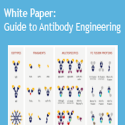
This whitepaper includes an introduction to antibodies and the process of antibody engineering based on Absolute Antibody’s years of experience developing recombinant versions of antibodies for a wide range of clients. This whitepaper will be valuable to: Therapeutic antibody developers Researchers designing antibodies for diagnostics Researchers looking to refine… Read More

Advancements in antibody engineering technologies have greatly enhanced the generation of recombinant antibodies in various formats as therapeutic agents. There are already more than 100 antibody-based drugs approved by the FDA, and numerous antibodies are currently in their late-stage clinical studies. Compared to monoclonal antibodies produced using traditional hybridoma techniques,… Read More

This 28-page DDW eBook, sponsored by Bio IVT, contains exclusive insight from industry experts on: Cell & gene therapies: the challenges and trends Battling the bottleneck: leveraging education to close the advanced therapy talent gap Cell and gene therapies: Opportunities for innovation Informing strategic decision-making in early clinical development… Read More