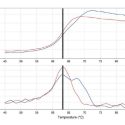
Harnessing the modified proteome for increased diagnostic power By Dr David Bramwell, Dr Steven Laval and Dr Jane McLeod Relevant biomarkers are vitally important in personalised medicine, guiding patient matching to specific therapies for earlier, easier and more effective disease identification and treatment. Here we trace… Read More
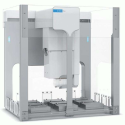
Getting a handle on liquids: automation solutions for drug discovery By Helen Stewart-Miller and Thomas Hope The accurate and precise measurement of liquids and the transport of exact volumes between vessels, or from one instrument to another, are processes that constitute the very essence of research. Read More
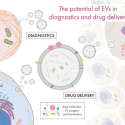
Unlocking the potential of Extracellular Vesicles: from single molecules to novel therapeutics By Dr Anna Caballe and Dr Katarzyna Ginda-Makela As part of normal homeostasis, cells release different types of small-sized membrane vesicles to traffic analytes across membranes, communicate with other cells and remove unwanted cell content. These… Read More
Evolution of User Experience for life sciences By Jacek Ziemski, Simon Fortenbacher, James Hoeksma, Jan Taubert, Roger Attrill, Paula de Matos, Andre Richter and Julie Morrison Since 2017 we have seen the slow and steady adoption of User Experience (UX) within the life sciences. User Experience is an… Read More
Using Live-Cell Imaging Systems to Transform Perspectives in Drug Discovery By Helen Stewart-Miller and Dr Kate Tointon Live-cell imaging has transformed the study of cell behaviour and function. The technique allows researchers to monitor internal cell structures, interactions and processes in real-time, and over time. In… Read More
Unlocking Clinical Trial Data to Uncover New Therapeutic Opportunities By David Wang, Masha Hoffey and Dr Simone Sharma This article discusses opportunities, challenges and best practices in leveraging infrastructure excellence and AI to unlock the value of early or inconclusive clinical trial data. The goal… driving stronger biomarker-based… Read More
Reducing the PAINS in High Throughput Screening: Assay design as a tool for maximising efficiency By Dr Philip S. Jones and Dr Stuart P. McElroy While the quality of the compound collection is frequently described as a key determinant of the success of a high throughput screening… Read More
How Artificial Intelligence is Transforming Drug Design By Dr Mark Roberts and Dr Sam Genway AI could create a streamlined, automated approach to drug discovery, trawling vast datasets to identify targets, find candidate molecules and predict synthesis routes. Getting there will require significant vision, but we are… Read More
By Dr Alexander C. Maue It has become quite evident that the microbiome has the potential to impact drug discovery in vital ways. In addition to impacting study reproducibility and variability, the microbiome may influence drug efficacy or serve as a therapeutic agent. To… Read More
Optimising Phenotypic Screening – Single-cell analysis versus 3D multicell analysis By Dr Richard M. Eglen In light of the high failure rate of compounds when they are subjected to clinical testing, we are seeing a renaissance in phenotypic screening in drug discovery. However, most phenotypic screening is… Read More
Evolving Models for NASH Drug Discovery: Tools for stemming a silent epidemic By Dr Sue Grepper, Dr Radina Kostadinova, Dr Eva Thoma and Professor Armin Wolf Non-alcoholic fatty liver disease (NAFLD) has quietly become one of the most common causes of chronic liver disease in the modern world. Read More
2030 Life Sciences and Health in the Digital Age (Part 1) By Dr Steve Arlington and John Wise One of the key ways in which The Pistoia Alliance works with its members is to help them not just deal with the problems of today, but also to… Read More
From human genome to global genome – why precision medicine must address genetic diversity By Sumit Jamuar, et al. The publication of the first human genome sequence more than 15 years ago marked the start of a new era in medicine. In the years since then, researchers have… Read More
Fail Early, Fail Fast – A phenotypic rescue approach By Dr Anne-Marie Zuurmond, et al. New disease targets frequently emerge in literature, but the thorough target validation required to consider these targets for a drug discovery programme is often lacking. In pharmacological or genetic perturbation studies… Read More
Automating Automation – How close are we to Artificial Intelligence impact? By Dr Michael A. Tarselli, Dr Yohann Potier and Dr Alan E. Fletcher In terms of consistency, repeatability, known errors and sheer volume, there exists perhaps no better collection of data for computer learning than that… Read More
Application of bioinformatics in support of precision medicine By Mike Furness and John Wise Bioinformatics has played a major role in gene sequencing diagnostics and has been an essential tool to investigate the genetic causes of disease. With the support of new technologies and tools, bioinformatics can play… Read More