
Anti-malaria drug effective against prevalent parasitic disease
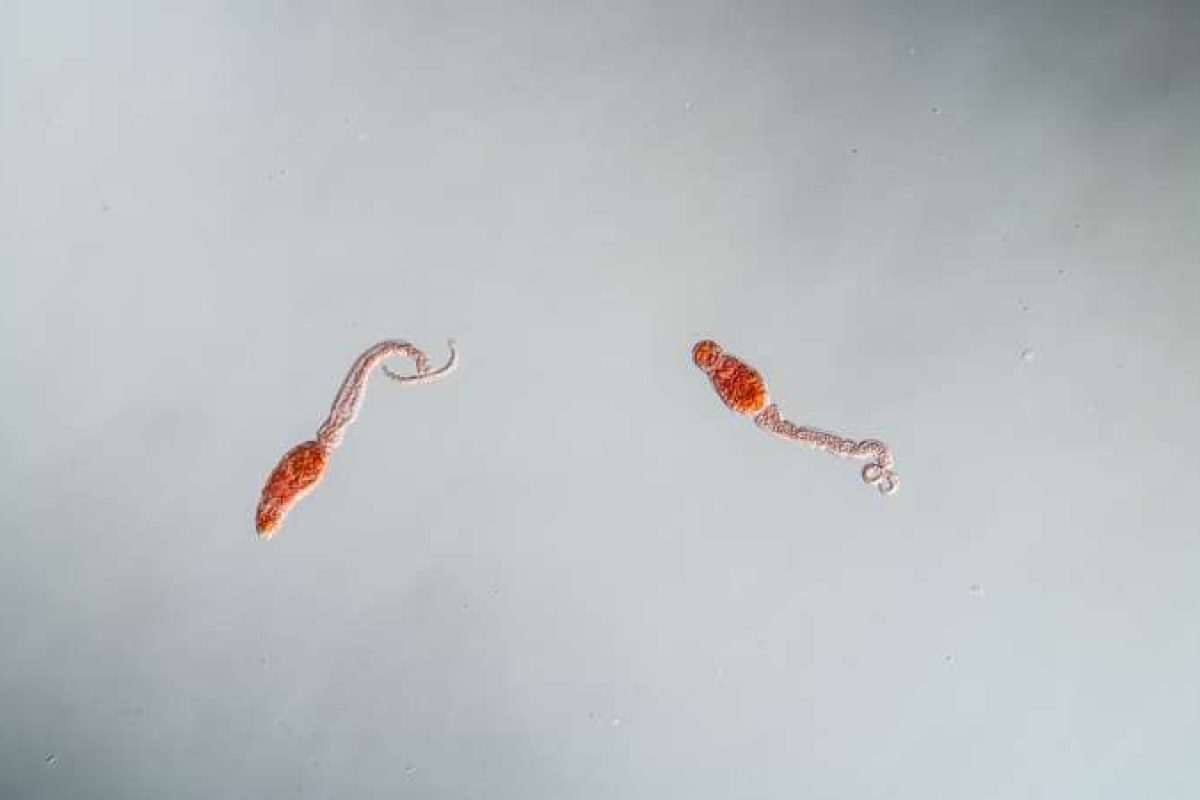
Anti-malarial drug artesunate-mefloquine has been proven to be effective against another devastating parasitic disease, thanks to research at the Institute of Tropical Medicine (ITM).
Schistosomiasis affects over 200 million individuals around the world, predominantly in poor populations living in rural areas of sub-Saharan Africa.
Its treatment relies on a single drug, praziquantel, but its use both for treatment and control has made it vulnerable to resistance.
To test the efficacy of artesunate-mefloquine, ITM researchers conducted a trial in primary schools across six villages in northern Senegal, where schistosomiasis is prevalent.
ITM’s Professor Emmanuel Bottieau said: “Our results showed that the antimalarial combination was safe for treating schistosomiasis and it was as effective as praziquantel. This opens the perspective to use it as a second-line treatment for schistosomiasis or for malaria-schistosomiasis co-infections (a frequent problem in many sub-Saharan African countries).”
There is also an additional advantage of the new treatment. Professor Katja Polman, ITM expert in schistosomiasis, explained: “Artesunate-mefloquine also proves effective against juvenile stages of schistosome parasites, unlike the current drug praziquantel. This reduces the risk of reinfections.”
With increased travel in the past decades, schistosomiasis is not only confined to (sub)tropical regions anymore: it remains one of the top five diseases for which travellers visit the ITM travel clinic, post-travel. In terms of impact, the disease is second only to malaria as the most devastating parasitic disease.