
Resolution to present positive interim data for regenerative macrophage therapy
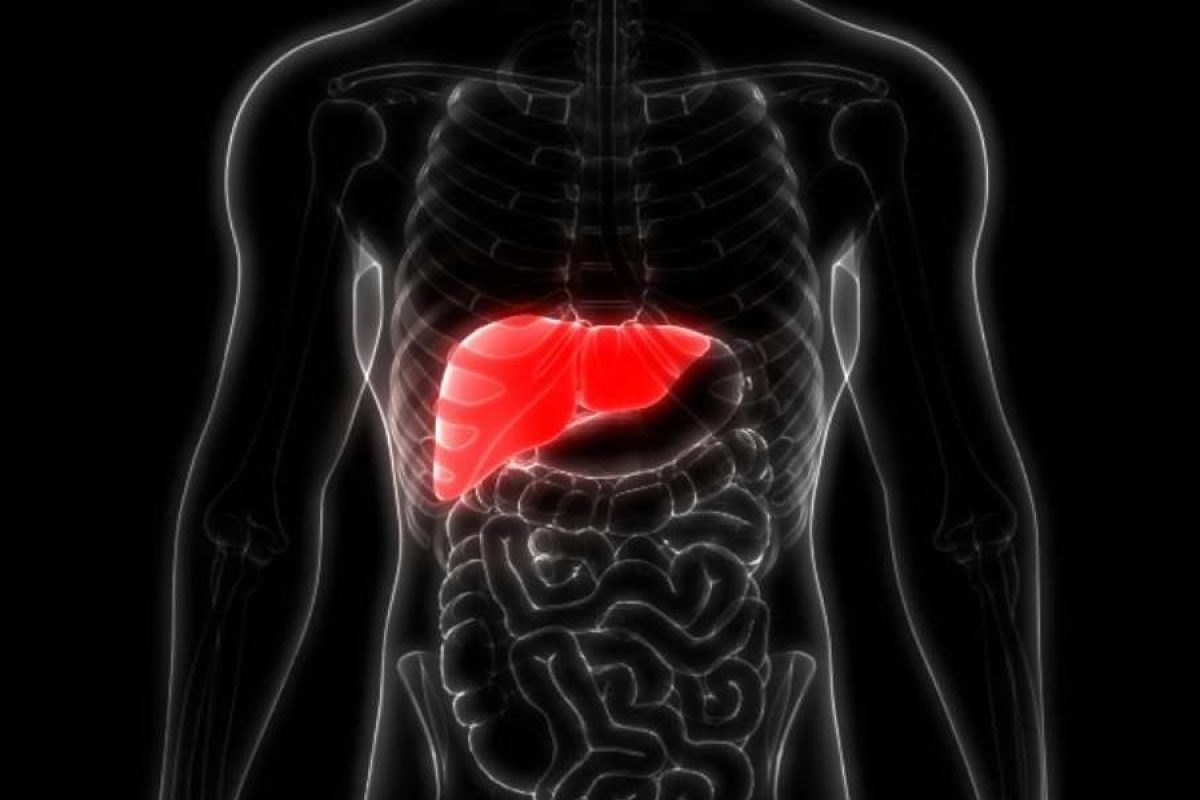
Resolution Therapeutics has revealed positive interim six-month data from its Phase I/II EMERALD trial evaluating RTX001, an investigational autologous engineered regenerative macrophage therapy (RMT), in patients with end-stage liver disease (ESLD).
The data showed a signal of efficacy on clinical outcomes of death, liver transplant and hepatic decompensation.
RTX001 was well tolerated, with no infusion-related serious adverse reactions and no severe adverse events related to treatment.
Prospectively defined biomarkers showed reductions in markers of inflammation and fibrogenesis in line with the predicted mechanism of regenerative macrophages.
The data will be presented at The Liver Meeting 2026 of the American Association for the Study of Liver Diseases (AASLD) in Denver, Colorado.
Amir Hefni, Chief Executive Officer of Resolution Therapeutics, said: “These findings further support our belief in the transformative opportunity with regenerative macrophage therapy to redefine how this and other inflammatory and fibrotic diseases are treated. We look forward to discussing the programme with the FDA and advancing RTX001 toward a planned US pivotal trial.”
Encouraging evidence for RTX001
Professor Jonathan Fallowfield, Chair of Translational Liver Research at the University of Edinburgh and Chief Investigator of EMERALD, added: “These interim data provide encouraging evidence that RTX001 may improve outcomes in this highly vulnerable patient population. Importantly, the results are broadly consistent with the clinical outcomes reported at four years in the University of Edinburgh’s MATCH trial, which evaluated non-engineered macrophages in patients with less advanced liver disease. I am excited to share these findings at this year’s AASLD Liver meeting.”
The six-month interim analysis compared the first nine of 15 patients treated with RTX001 in EMERALD to all 21 standard-of-care patients in OPAL, Resolution’s natural history control.
In the trial, two of nine RTX001-treated patients (22%) experienced a clinical outcome of death, liver transplant or a protocol-defined hepatic decompensation event within six months of first dose, compared with eight of 21 (38%) in OPAL, representing a 42% relative risk reduction. Transplant or death alone occurred in 11% of RTX001-treated patients versus 19% in OPAL.