
Macrophage therapy trial in liver disease completes enrolment
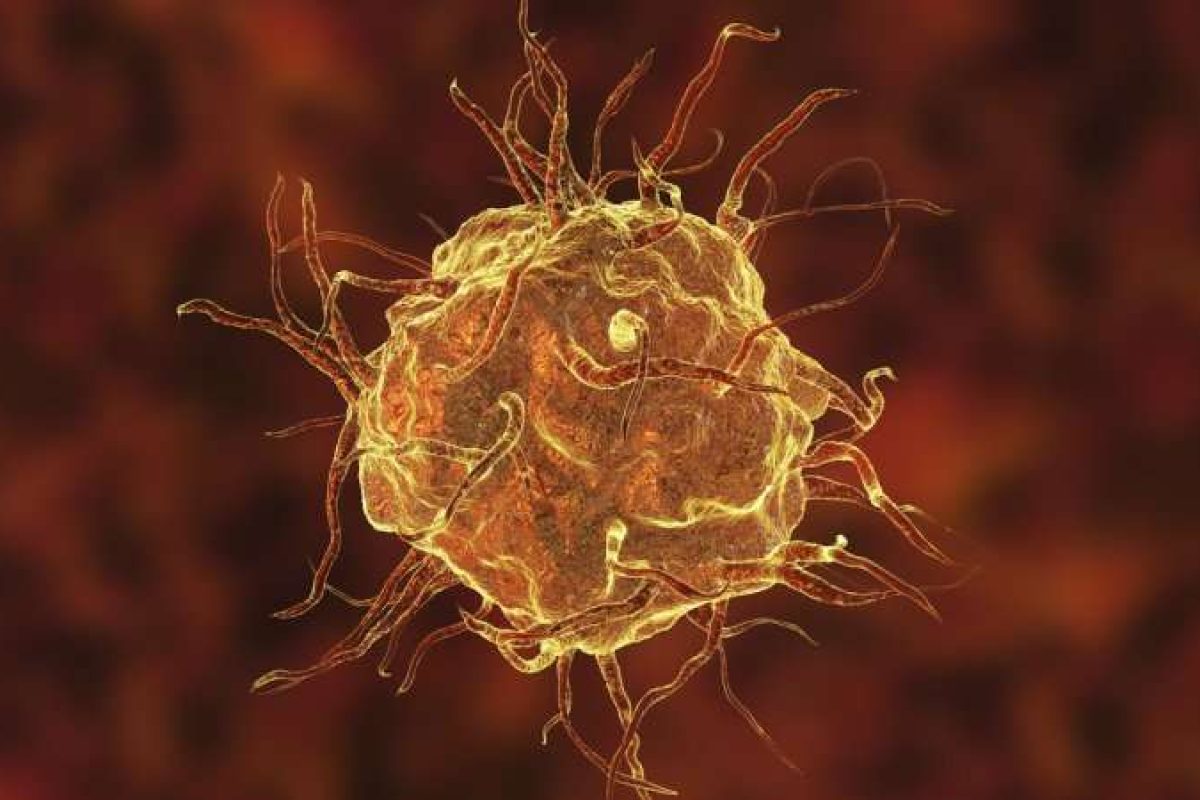
The final patient has been treated in EMERALD, Resolution Therapeutics’ Phase I/II clinical trial evaluating its engineered Regenerative Macrophage Therapy (RMT), RTX001, in patients with end-stage liver disease (ESLD) and a history of decompensated liver cirrhosis.
Liver transplantation remains the only disease-modifying treatment option for patients with ESLD. Transplantation, however, is severely constrained by limited access to transplant centres, donor availability, and the complexity and cost of surgery.
Amir Hefni, Chief Executive Officer of Resolution Therapeutics, said: “Dosing the final patient in the EMERALD trial marks a significant milestone for Resolution Therapeutics and reflects our progress toward a potential new treatment paradigm for end-stage liver disease. Patients with this condition face very limited options beyond transplantation and symptom management, and RTX001 has the potential to offer a differentiated, transformational therapeutic approach. We are working with urgency to advance the clinical programme and bring this therapy closer to the patients who need it.”
RTX001 is engineered with IL-10 and MMP-9 to enhance the anti-inflammatory and anti-fibrotic effects of RMT, with the aim of improving patient outcomes and durability of response in end-stage liver disease.
It is administered via peripheral IV in less than 10 minutes requiring no pre-conditioning, bridging therapy, or lymphodepletion. The company says the manufacturing process was developed with commercial-scale production in mind, and ongoing process refinements have reduced cost-of-goods by 40% to date. In pre-clinical studies, RTX001 has demonstrated no significant safety signals and did not require prolonged monitoring.
Resolution plans to initiate a pivotal study for RTX001 in patients with end-stage liver disease across the US in 2027, following a pre-IND meeting between Resolution and the FDA.
Beyond RTX001, Resolution is advancing additional RMT programmes in inflammatory and fibrotic diseases, including lung fibrosis, while continuing development of its in vivo RMT.