
Researchers identify RNA linked to cancer survival
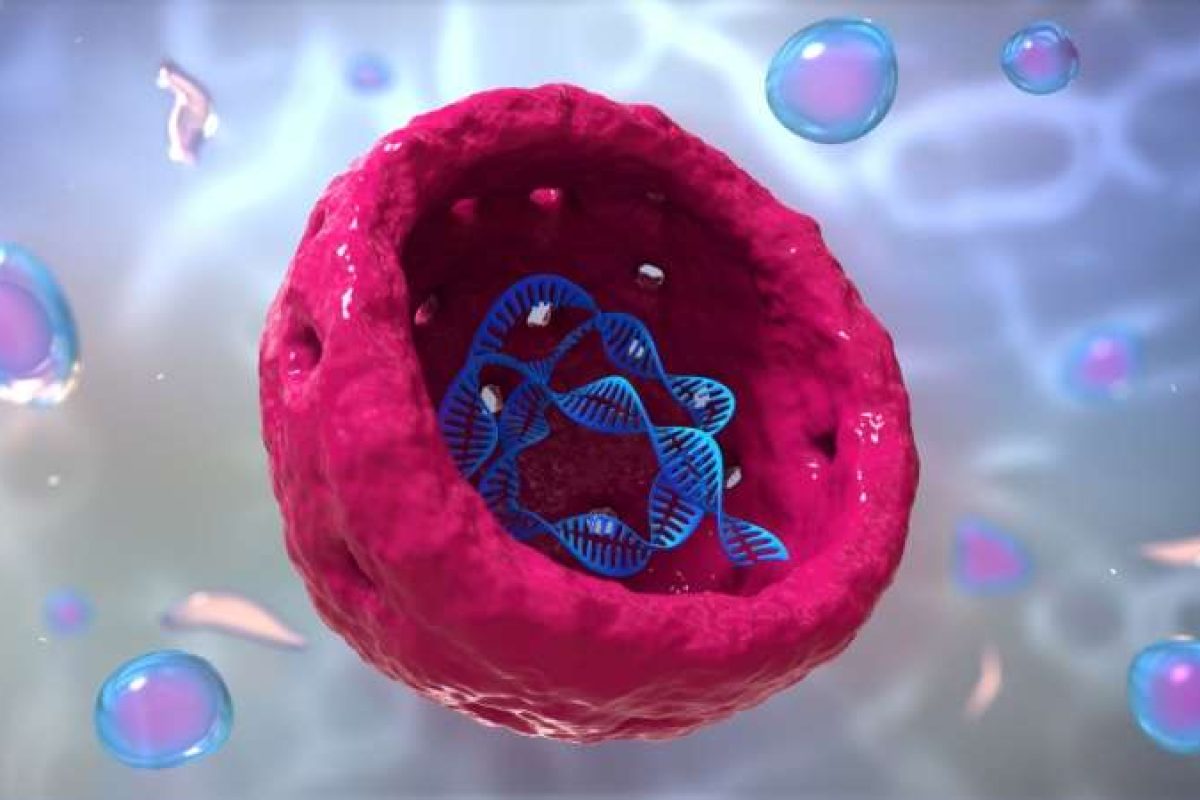
Researchers at the Texas A&M University Health Science Center have identified a novel RNA molecule that plays a crucial role in preserving the integrity of a key cellular structure, nucleolus.
This research reveals an RNA molecule that regulates key cellular functions without turning into protein, thus functioning as a “non-coding” RNA.
Their findings also suggest this molecule may influence patient survival in certain blood cancers.
The team identified a novel non-coding RNA they named CUL1-IPA that originates from the well-characterised CUL1 protein-coding gene. Unlike the RNA that produces the CUL1 protein, this newly discovered RNA stays in the nucleus, supporting the structural integrity and activity of the nucleolus.
“This finding redefines the conventional assumption that protein-coding genes produce only protein-related messages,” said Irtisha Singh, PhD, senior author of the study.
When researchers removed CUL1-IPA from living cells, the nucleolus broke apart, and the cells displayed signs of stress.
The Singh Lab analysed patient data from two types of blood cancers: multiple myeloma and chronic lymphocytic leukaemia. They found that patients with more severe forms of these cancers had higher levels of CUL1-IPA, regardless of how much of the traditional CUL1 RNA was present.
“Its expression correlates with patient survival in blood cancers and may contribute to how aggressive these cancers become,” said Pranita Borkar, PhD, co-first author of the article.
Because cancer cells depend on robust ribosome production for rapid growth, regulatory RNAs that support nucleolar function may inadvertently aid tumour progression, making molecules like CUL1-IPA potential biomarkers or therapeutic targets.
The discovery of CUL1-IPA adds to a growing body of evidence that genes are more versatile than once believed.