
Study finds key genetic differences in people with ME/CFS
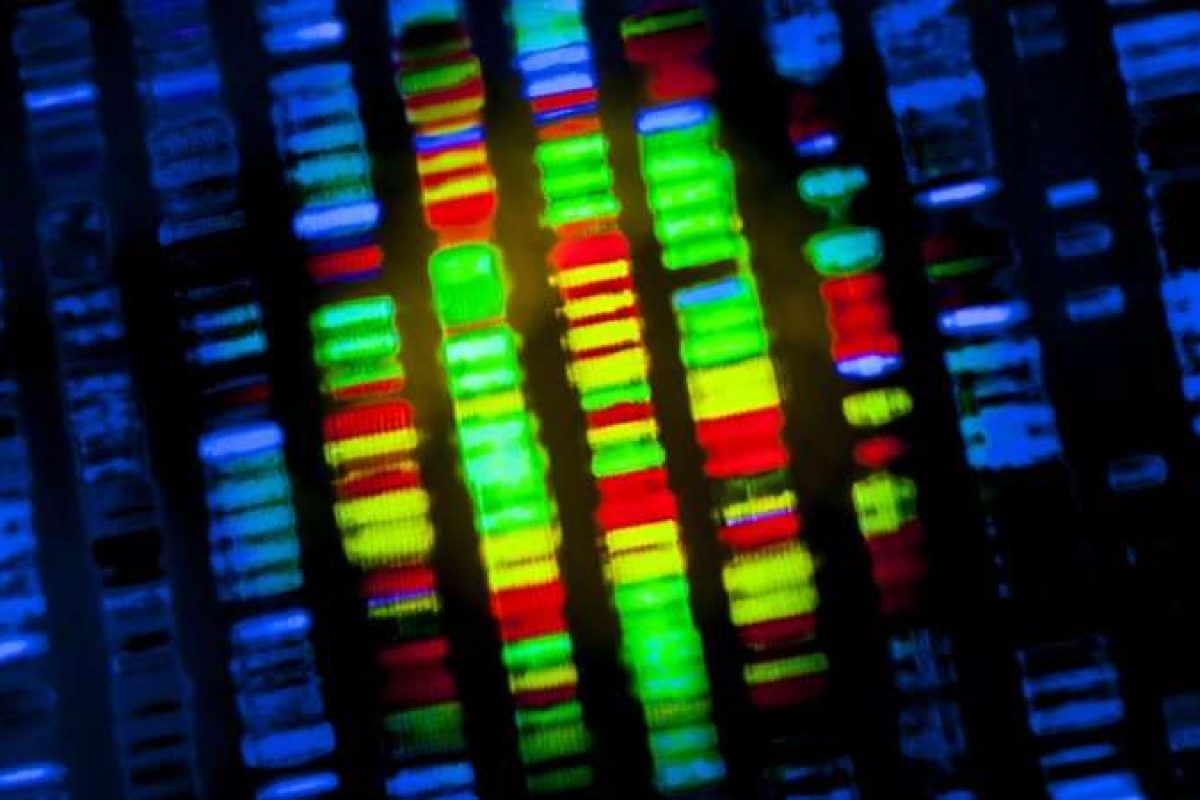
Scientists have discovered that people diagnosed with ME/CFS have significant differences in their DNA, offering the first robust evidence that genes contribute to a person’s chance of developing the disease.
Initial findings have uncovered eight areas of genetic code in people with ME/CFS (myalgic encephalomyelitis/chronic fatigue syndrome) that are markedly different to the DNA of people without the condition.
Results from the DecodeME study, the largest of its kind in the world, provide a major step forward in understanding the biological roots of ME/CFS and can now help guide the search for effective treatments.
Researchers analysed 15,579 DNA samples from the 27,000 people with ME/CFS participating in DecodeME – the world’s largest data set of people with the disease.
They found eight regions of DNA where genetic differences were significantly more common in people with ME/CFS than in the general population.
These differences – also known as genetic signals – involve genes linked to the immune and nervous systems. At least two of the genetic signals relate to how the body responds to infection, which aligns with longstanding patient reports that the onset of symptoms often followed an infectious illness.
The DecodeME team is now calling on researchers from around the world to access its rich dataset and help drive forward targeted studies into ME/CFS, particularly those linked to the eight newly identified genetic signals.
“This is a wakeup call. These extraordinary DNA results speak the language of ME/CFS, often recounting people’s ME/CFS symptoms. DecodeME’s eight genetic signals reveal much about why infection triggers ME/CFS, and why pain is a common symptom. ME/CFS is a serious illness and we now know that someone’s genetics can tip the balance on whether they are diagnosed with it,” commented Professor Chris Ponting, DecodeME investigator from the University of Edinburgh.
Diana Turner, Senior Digital Content Editor, DDW