
Phase II trial starts for CAR-T therapy in T-cell lymphoma
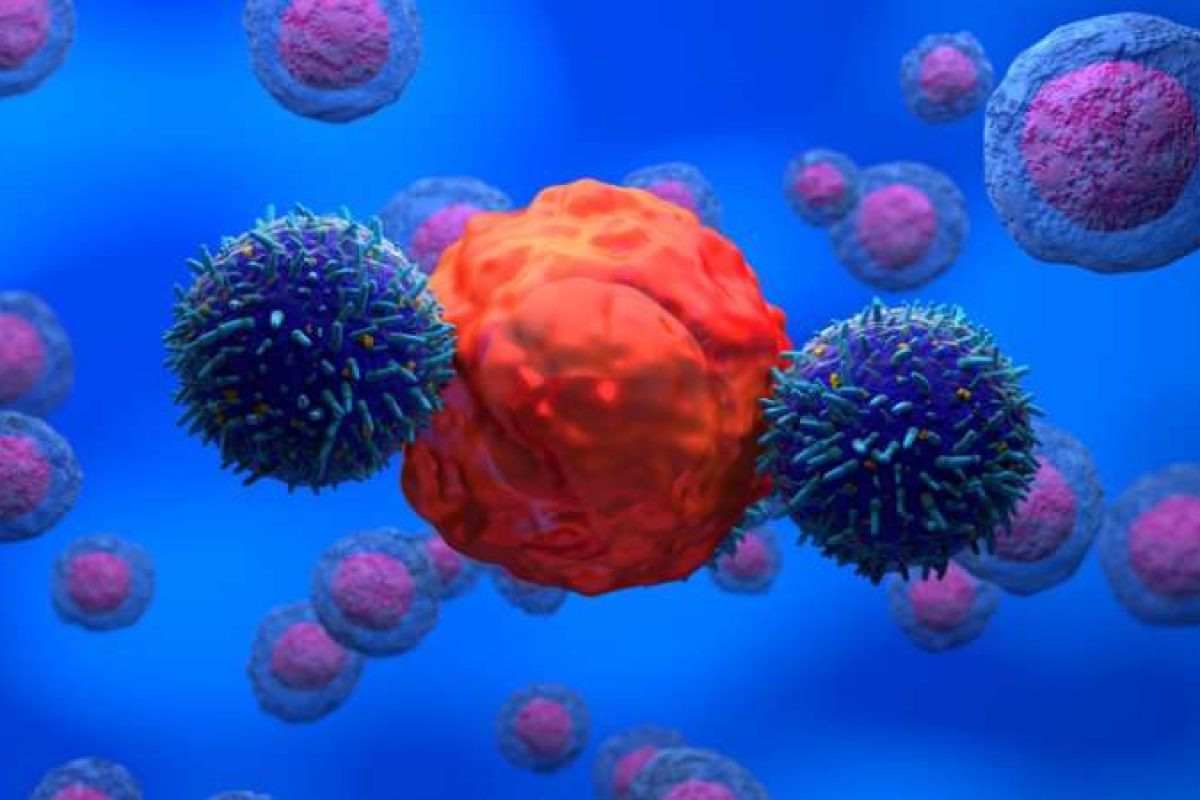
March Biosciences (March Bio) announced that the first patient has been dosed in its Phase II clinical trial evaluating MB-105, a first-in-class CD5-targeted CAR-T cell therapy for patients with relapsed or refractory CD5-positive T-cell lymphoma.
“This represents a significant milestone in advancing MB-105 as a potential treatment option for patients with T-cell lymphoma who currently face extremely limited therapeutic choices,” said Sarah Hein, Co-Founder and Chief Executive Officer of March Bio.
“CAR-T therapies have revolutionised the treatment of B-cell lymphomas and leukaemias but have not successfully addressed the rarer T-cell lymphomas and leukaemias. We are optimistic that this larger trial will further validate MB-105’s potential to address the critical unmet needs of these patients and look forward to reporting our first clinical readouts.”
The Phase II trial is a multi-centre, single-arm, two-stage, open-label study designed to evaluate the safety and efficacy of MB-105 in patients with relapsed or refractory CD5-positive T-cell lymphoma.
It will enroll approximately 46 patients at leading cancer centres across the United States, with the first patient dosed at The University of Texas MD Anderson Cancer Center.
In Phase I trials MB-105 demonstrated both a favourable safety profile and durable remissions in heavily pretreated patients with relapsed/refractory T-cell lymphoma. CD5 CAR-T cells were successfully manufactured for 93% of attempted production runs.
Importantly, the therapy showed a manageable safety profile with no grade 3 or higher cytokine release syndrome or neurologic events observed. The unique CAR design enabled selective targeting of malignant cells while preserving normal T-cell function.
March Bio closed a $28.4 million oversubscribed Series A financing in October 2024 and received FDA orphan drug designation for MB-105 in January 2025.
MB-105 is in development for CD5-positive haematologic malignancies, including T-cell lymphoma (TCL), T-cell acute lymphoblastic leukaemia (T-ALL), chronic lymphocytic leukaemia (CLL), and mantle cell lymphoma (MCL).
Diana Spencer, Senior Digital Content Editor, DDW