
Pushing past the limitations of CAR-T therapies
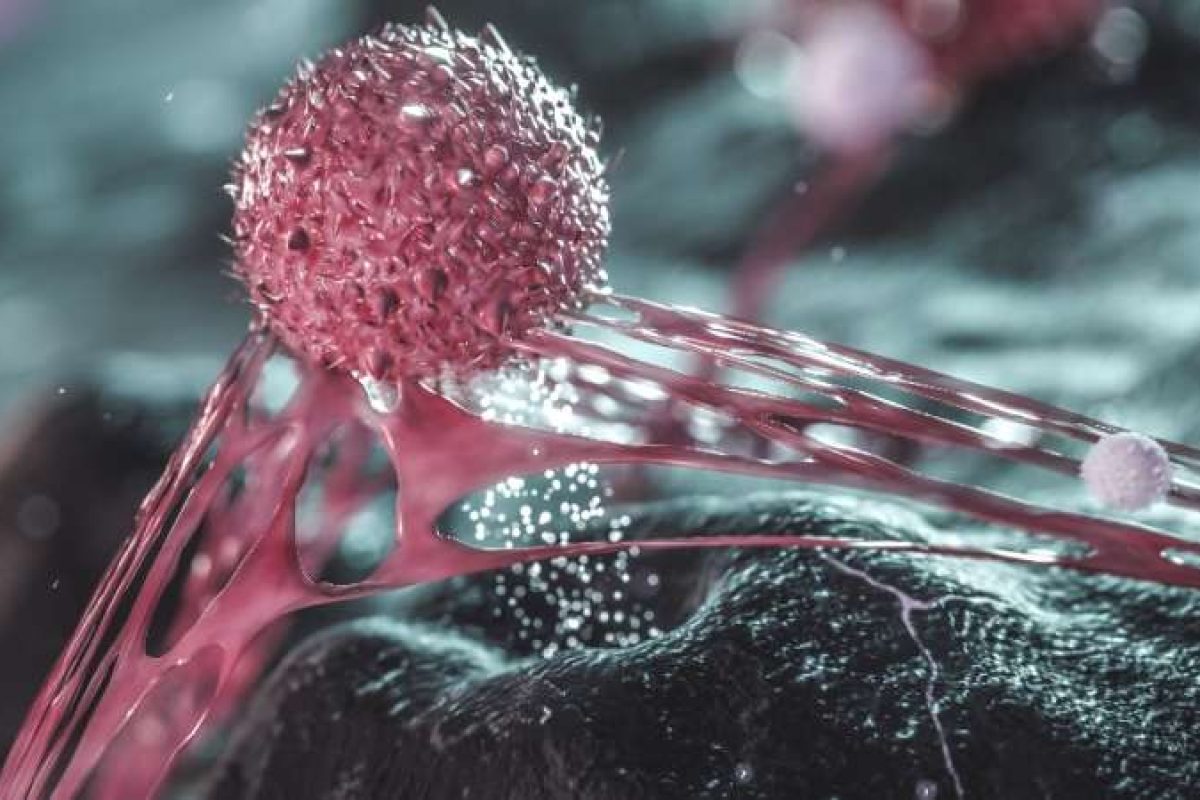
DDW Editor Reece Armstrong speaks to Sarah Hein, CEO and Co-founder of March Biosciences, about the company’s recent fundraising efforts and its development of CAR-T therapies addressing challenging blood cancers.
RA: What are the limitations of current standard-of-care therapies for blood cancers?
SH: There are many treatment options for the majority of blood cancers which come from your B cells, but the T cell blood cancers (lymphomas and leukaemias) are almost completely unaddressed if a patient relapses after first line care. There are a handful of salvage therapies available but each has a relatively low response rate and limited durability, and there is no true “standard of care” in this relapsed and refractory setting.
The challenge is that it’s really difficult to develop a targeted therapy to these cancers without damaging the patient’s own immune system. The prognosis for relapsed and refractory T cell malignancies is just a 10-20% survival over about three years, which really highlights the extreme need for these patients.
RA: What are some of the key barriers to the application of CAR technologies to T-cell malignancies?
SH: CAR-T therapies have been an incredibly exciting emerging therapeutic class due to the potential for long term, durable cancer remissions – essentially a cure by all typical measures. However, the majority of CAR-T therapies available to patients, both approved and investigational, are directed towards the B cell malignancies. These include targets such as CD19, BCMA, and CD22, all of which are absent from the T cell malignancies and therefore can’t be used to treat these difficult cancers.
For the T cell cancers, the challenge is specifically targeting the tumour and not normal T cells, and this challenge is the same across drug classes – it’s just really difficult to create a specific therapy to the cancer that won’t hurt the patient. Some of the other markers that have been tried are only expressed in subsets of patients, leaving many patients with T cell malignancies unaddressed.
For advanced CAR therapies derived from T cells, you have an additional challenge that the CAR-T product would also have your same normal T cell markers you are therapeutically targeting. So you have a challenge of them killing each other as well (fratricide) that you have to overcome.
RA: Why does CD5 make a good target for cell therapies?
SH: CD5 is widely expressed on about 70% of T-cell lymphomas and 90% of T-cell leukaemias, meaning a therapy targeting CD5 could potentially benefit a large number of these patients. It is also expressed in about 98% of normal T cells, which means you have to overcome the potential for fratricide, but if you do then you have a potential therapy that would apply to a wide range of patients.
RA: What’s it been like going from a scientist to a leading CEO within the cell therapy space?
SH: Having a scientific background is a tremendous benefit for early-stage drug development. There are a lot of subtleties to the science that can really impact how you tackle the drug development programme and strategically de-risk the therapy to build partner and investor confidence to help you move the programme forward. There are also a lot of new skills to learn to successfully run a company, as it’s a very different mindset from academia. Luckily, having a PhD essentially makes you a professional learner!
RA: This year March Biosciences raised $28.4 million in oversubscribed funding ($51 in total to date). How will this funding help the company advance its pipeline and how encouraging is it to raise this funding in such a competitive market?
SH: This funding will build on top of our other funding, including CPRIT and the Cancer Focus Fund, to help us launch our Phase II trial and get through the first readout of that trial. It’s really exciting to get this product back into the clinic and to more patients. We are also going to be expanding our pipeline in the coming year to tackle more difficult indications and unique targets.
RA: Could you discuss the development of March Biosciences’ MB-105 asset and how it addresses some of the key barriers for treating T-cell malignancies?
SH: MB-105 is unique in that it can avoid fratricide from CD5 without additional gene editing. It does this through unique biology which drives rapid internalisation of the CD5 receptor on the CAR-T cells, which means that they become functionally CD5 negative cells.
We are really fortunate to be able to advance MB-105 from the academic Phase I study at the Center for Cell and Gene Therapy here in Houston. We’ve seen really promising safety and efficacy signals so far and have a couple of long-term survivors from the study. We’re excited to continue into our Phase II studies and hope to see more patient benefit in the near future.
RA: What have you discovered from early studies focused on the CD5 antigen?
SH: One interesting effect just published by our scientific founder’s group (Ma et al. Cell Reports Medicine (20241), is that you see the emergence of a CD5 negative T cell population in patients treated with the CD5 CAR-T therapy, which appears to be polyclonal and functional. We are still investigating this, but it’s an exciting avenue for future research as this T cell population is relatively under-characterized.
RA: Are you concerned about potential side-effects that come with the use of CAR T-cell therapy such as EBV infection?
SH: It’s always important to keep patient safety top of mind for any new investigational therapy, and advanced therapies like CAR T-cell therapies are no exception. While they show the potential for tremendous patient benefit including durable remissions, we are still learning how to make them safer and easier to administer. Our safety profiles from the Phase I study have been highly encouraging, and we will continue to closely monitor safety in the Phase II study.
RA: What are your plans for 2025?
SH: We have a lot of work in front of us! We are growing our team as we launch our Phase II study for T cell lymphoma and are excited to bring this new potential therapy to more patients across the United States. We are also expanding our footprint in Houston at Portal Innovations Helix Park to grow our pipeline and tackle new challenges and difficult indications. It will be an exciting year and we’ll be checking in with more updates soon.
From DDW Volume 26 – Issue 1, Winter 2024/25 Read the digital issue
Reference
- https://pubmed.ncbi.nlm.nih.gov/38986621/
Biography:
 Sarah Hein is the founding CEO of March Biosciences, a clinical-stage cell-therapy company targeting challenging haematological malignancies. Prior to cofounding March Bio, she was the founding Entrepreneur in Residence for the Texas Medical Center Innovation Accelerator for Cancer Therapeutics (TMCi ACT).