
Bringing CAR-T cell production closer to patients
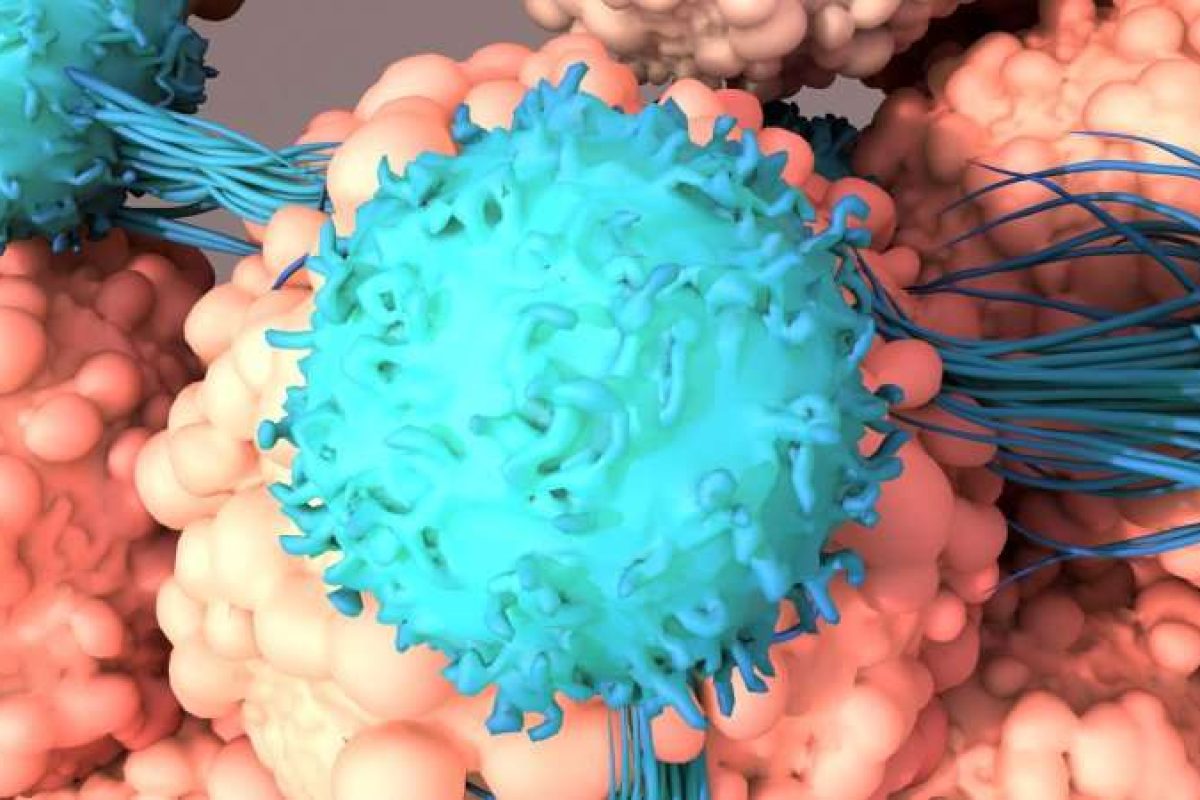
Dr Liping Yu, Vice President of Applications at Applied Cells, looks at barriers to access for CAR-T cell therapies.
CAR-T cell therapies are increasingly being used to treat life-threatening conditions when other treatments have failed, particularly in oncology. Autologous CAR-T cancer therapies involve isolating T cells from a patient’s blood, then genetically modifying them in a lab to target specific cancer cells. Once infused back into the patient, these cells seek out and destroy cancer cells with precision, proliferating to become a living drug.
This approach has made a significant impact in the treatment of several cancer indications, successfully combating certain forms of leukaemia, lymphoma and multiple myeloma1. It already demonstrates a favourable risk/benefit balance, with the benefits only increasing as safety is enhanced through new construct designs and protocols to manage treatment complications2. Although cell therapies have made great progress in recent years, we are still far from what could be achieved as production is currently costly and inefficient. Advances in manufacturing processes are beginning to overcome these barriers, ultimately making cell therapies more accessible to patients.
Need for wider access
CAR-T cell therapies have received significant interest and investment due to recent successes, and there have been numerous research advances in the field. Despite this, access to these treatments remains limited. The International Agency for Research on Cancer registry shows that, in 2021, only 1% of individuals eligible for CAR-T cell therapy received this treatment3. This can be attributed to a number of key obstacles – such as the long, complex cell manufacturing processes and high associated costs – and there is consensus within the industry that there needs to be a shift from a centralised to a decentralised cell therapy production model. The current centralised model relies heavily on pharmaceutical company owned or contracted good manufacturing practice (GMP) facilities for production. This approach involves complex logistics and results in a process that can take three to eight weeks from initial cell collection to reinfusion. Moreover, the cost of goods sold (COGS) for CAR-T cell manufacturing is very high. In 2019, it was estimated that the COGS for CAR-T cell manufacturing processes was $95,780 per dose for an autologous therapy, making cell therapy prohibitively expensive for most of the eligible patients4. In contrast, a decentralised model aims to reduce the overall time it takes for the patient to receive therapy by establishing GMP facilities in hospitals to minimise storage and transportation delays. This approach could simplify logistics and reduce the time from cell harvesting to the administration of therapy to as little as three days. This would increase the number of centres able to offer CAR-T cell therapies, speeding up the introduction of these potentially life-saving treatments to clinical settings2.
More and more large institutions in North America are therefore manufacturing their own cell therapy products on site, following GMP standards, instead of outsourcing production. Regulatory agencies are also acknowledging the unique nature of cell therapy compared to conventional drug products by granting exemptions to healthcare institutions that meet strict GMP and quality control standards. This supports the development of advanced cell therapies, enabling easier access for patients2.
Speeding up production
Traditional CAR-T cell manufacturing typically involves T cell activation, followed by viral transduction and expansion ex vivo, which can take as long as 12 days from the initial harvest. This process is both time consuming and costly, and several recent studies have shown that ex vivo expansion is not only superfluous in many cases, but can reduce the potency and efficacy of the cells. Research has demonstrated that CAR-T cells can proliferate on their own in the body and, when transfused directly into the bloodstream, these cells exhibit higher anti-leukaemic activity per cell compared to corresponding activated CAR-T cells produced using the standard protocol. This approach could speed up the onset of treatment, reduce costs, and potentially lead to more effective CAR-T cell therapies for leukaemia, by enhancing immune response and minimising adverse effects5,8. Fast manufacturing practices are now being embraced across the biopharma sector as means to make CAR-T therapies more accessible and efficient.
Challenges in cell separation
Effective T cell separation is a critical step in CAR-T cell therapy, as it directly impacts the quality and success of the treatment. Unfortunately, traditional separation methods – including density gradient centrifugation, magnetic separation and fluorescence-activated cell sorting (FACS) – often fall short in achieving the high levels of purity, viability and yield needed for optimal results. These conventional techniques typically require multiple specialised and costly platforms that rely on extensive manual input, driving up costs and limiting patient access to CAR-T cell treatments. Additionally, these methods often involve a series of single-use consumables, further adding to operational expenses and creating logistical challenges. These drawbacks make it challenging for healthcare providers to offer these therapies efficiently and at scale, impacting their accessibility for patients in need.
Automated, column-free immunomagnetic separation
Newer techniques, such as matrix-free magnetic technologies, help to address the shortcomings of traditional methods offering a column-free approach to immunomagnetic cell separation. This automated process isolates cells with high purity, ultimately enhancing cell recovery and quality. This gentle technique preserves cell viability and is compatible with various sample types, including leukopaks, whole blood and bone marrow. The need for cell washing steps has become optional, significantly simplifying the cell separation workflow and creating a more streamlined process. Automated, closed-system cell separation platforms provide consistency and reproducibility at a high throughput, allowing large cell batches to be processed efficiently. These systems are designed to reduce both the cost per sample and space requirements, making them ideal for research and clinical environments. These systems also support standardisation across R&D and production stages, streamlining the transition to decentralised CAR-T cell manufacturing and making therapy more accessible.
Summary
CAR-T cell therapy is highly effective for certain cancers, but cell manufacture is complex and costly, due to the long processes involved and the need for specialised facilities. The challenges include extensive labour, high costs and dependency on central facilities, as well as reliance on traditional methods that fail to produce the necessary quality and yields. Decentralisation, together with new approaches – like automated, column-free cell separation – streamline production by improving cell purity, eliminating manual steps and reducing cost. This makes cell manufacturing faster and more accessible, allowing more healthcare facilities to offer these life-saving treatments.
From DDW Volume 26 – Issue 1, Winter 2024/25 Read the digital issue
References:
- National Cancer Institute. CAR T Cells: Engineering Patients’ Immune Cells to Treat Their Cancers. National Institute of Health.
- Giorgioni L, Ambrosone A, Cometa MF, Salvati AL, Magrelli A. CAR-T State of the Art and Future Challenges, A Regulatory Perspective. Int J Mol Sci. 2023;24(14):11803. doi:10.3390/ijms241411803
- Cancer Today—Database by the International Agency for Research on Cancer, World Health Organisation. Available online: https://gco.iarc.fr/today/data/factsheets/populations/908-europe-fact-sheets.pd (accessed on 8 June 2023).
- Harrison RP, Zylberberg E, Ellison S, Levine BL. Chimeric antigen receptor-T cell therapy manufacturing: modelling the effect of offshore production on aggregate cost of goods. Cytotherapy. 2019;21(2). doi:10.1016/j.jcyt.2019.01.003
- Ghassemi S, Nunez-Cruz S, O’Connor RS, et al. Reducing Ex Vivo Culture Improves the Antileukemic Activity of Chimeric Antigen Receptor (CAR) T Cells. Cancer Immunol Res. 2018;6(9):1100-1109. doi:10.1158/2326-6066.CIR-17-0405
- Ghassemi S, Durgin JS, Nunez-Cruz S, et al. Rapid manufacturing of non-activated potent CAR T cells. Nat Biomed Eng. 2022;6(2):118-128. doi:10.1038/s41551-021-00842-6
- Yang J, He J, Zhang X, et al. Next-day manufacture of a novel anti-CD19 CAR-T therapy for B-cell acute lymphoblastic leukemia: first-in-human clinical study. Blood Cancer J. 2022;12(7):104. doi:10.1038/s41408-022-00694-6
- Dickinson MJ, Barba P, Jäger U, et al. A Novel Autologous CAR-T Therapy, YTB323, with Preserved T-cell Stemness Shows Enhanced CAR T-cell Efficacy in Preclinical and Early Clinical Development. Cancer Discov. 2023;13(9):1982-1997. doi:10.1158/2159-8290.CD-22-1276
- Blache U, Tretbar S, Koehl U, Mougiakakos D, Fricke S. CAR T cells for treating autoimmune diseases. RMD Open. 2023;9(4):e002907. doi:10.1136/rmdopen-2022-002907
About the author:
 Dr Liping Yu completed her PhD at Carnegie Mellon University in 2006, followed by postdoctoral training and career development at Beckton Dickinson. At Applied Cells, she leads application development, delivering end-to-end solutions by combining reagents, hardware and software on the MARS platform.