
Next-generation therapy overcomes limitations of other CAR-T
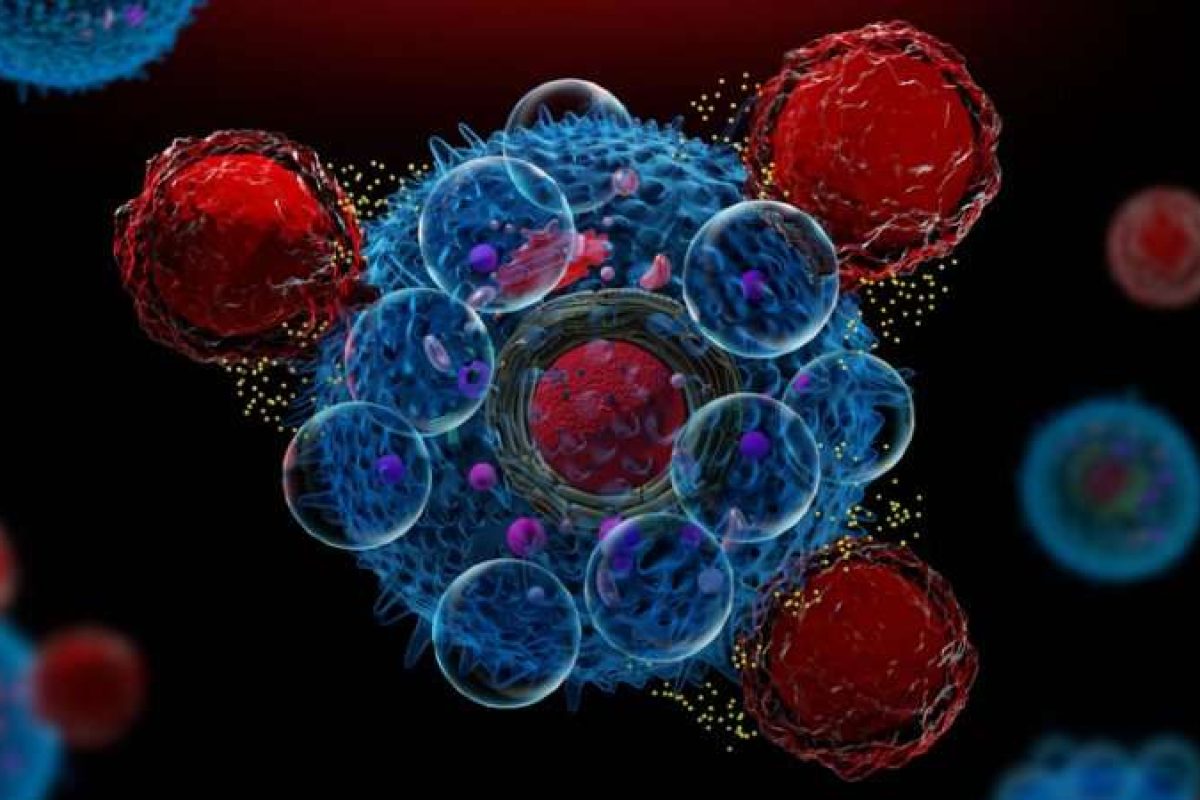
A new chimeric antigen receptor T cell (CAR-T) therapy has delivered highly promising results in treating patients with relapsed/refractory B-cell acute lymphoblastic leukaemia (r/r B-ALL).
The FELIX clinical trial was led by researchers at University College London (UCL) and UCLH and sponsored by UCL spin-out Autolus Therapeutics.
The results, published in the New England Journal of Medicine, show how a second-generation CAR-T cell therapy, known as obecabtagene autoleucel (obe-cel), has reduced immune toxicity and persists for longer in patients – overcoming two common limitations of earlier CAR-T cell therapies.
In the UK, brexucabtagene autoleucel (brexu-cel) was licensed for relapsed B-ALL in 2023. However, brexu-cel causes high rates of severe cytokine release syndrome and immune effector cell-associated neurotoxicity syndrome.
In addition, brexu-cel CAR-T cells persist for only a short period of time in patients’ bodies, leaving patients susceptible to relapse.
For the FELIX trial, patients had their T cells genetically modified with obe-cel, which was recently approved by the US Food and Drug Administration (FDA).
By reducing the time obe-cel CARs engage with their target, the scientists hypothesised that obe-cel would cause less inflammation while clearing leukaemia cells and allow the CAR-T cells to persist for longer in patients, thereby preventing relapse.
Obe-cel was licensed by Autolus Therapeutics following promising data in UCL Phase I studies in children and adults with treatment-resistant B-ALL.
FELIX Phase Ib/II clinical trial
The FELIX Phase Ib/II clinical trial assessed the safety and effectiveness of obe-cel in adults with treatment resistant B-ALL. The results showed that 74.7% of patients had a remission after treatment.
Using the trial data, the team estimated that after six months 65.4% of patients with r/r B-ALL would be alive and disease free if they received obe-cel, with 49.5% alive and disease free after 12 months.
Further, just 2.4% of FELIX trial patients had severe cytokine release syndrome, compared to around 24%, who received brex-ucel.
Severe immune effector cell-associated neurotoxicity syndrome, which occurs in 25% of patients treated with brexu-cel, was experienced by just 7.1% of trial patients who received obe-cel.
Dr Claire Roddie, lead investigator of the FELIX trial from UCL Cancer Institute and UCLH, said: “While we have a licensed CAR-T therapy to treat r/r B-ALL in the UK, high toxicity is an issue in around a quarter of patients and lack of CAR-T persistence in the blood can lead to relapse and the requirement for more lines of therapy, including stem cell transplant.
“In contrast, our results from the FELIX study demonstrate that obe-cel can induce durable remissions with substantially fewer toxicity issues, which is great news for patients with what has historically been a very difficult cancer to treat.”