Orphan drugs

#Academic #AI / data analytics / healthtech / informatics #Analysis #Analytical chemistry #Animal models #Assay development optimisation & technology #Biochemistry #Biomarkers #Business #Cell / tissue culture #Cell culture #Cell therapy #Cellular & Molecular biology #Cellular assays #Chemical engineering #Chemistry #Clinical specialities #Clinical trials #Drug development #Drug discovery #Drug targets #Gene therapy #Genetics / genomes #Genetics / genomics #Genomics #High Content Screening #High throughput screening #Lead discovery #Mass spectrometry / NMR #Metabolomics #Oncology #Orphan drugs #PCR #Preclinical #Protein chemistry / Proteomics #Regulatory #RNA #Screening #Stem cells #System biology #Systems biology #Target validation #Toxicology

METABOLOMICS – A ‘systems’ contribution to pharmaceutical discovery and drug development

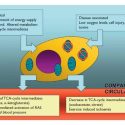
By Dr George G. Harrigan The potential of metabolomics, a systems approach to biochemical pathway analysis, to yield scientific and commercial benefits to healthcare and biotechnology enterprises is increasingly recognised. This article discusses current applications and future developments and places an emphasis on incorporation of metabolomics within all aspects of… Read More
#Archive

#AI / data analytics / healthtech / informatics #Analysis #Assay development optimisation & technology #Biomarkers #Business #Cell therapy #Clinical specialities #Clinical trials #Drug development #Drug discovery #Gene therapy #Genetics / genomics #Lead discovery #Orphan drugs #Regulatory #RNA

Personalised Medicine: What’s in it for big pharma?

Personalised Medicine: What's in it for big pharma? By Dr Stephen Little There is nothing more difficult to take in hand, more perilous to conduct, or more uncertain in its success, than to take the lead in the introduction of a new order of things. Because the innovator has far… Read More

#Archive

#ADME / Tox #AI / data analytics / healthtech / informatics #Analysis #Analytical chemistry #Business #Chemistry #Clinical trials #Computational chemistry #Drug development #Drug discovery #High Content Screening #Imaging #Isotope labelling #Lead discovery #Mass spectrometry / NMR #Medicinal chemistry #Organic chemistry #Orphan drugs #Preclinical #Regulatory #RNA #Screening

Radiosynthesis – A vital role supporting drug development?

Radiosynthesis - A vital role supporting drug development? By Dave Roberts and Professor Bill Lockley The key in vivo drug metabolism and pharmacokinetic studies continue to be undertaken using radiolabelled versions of drug molecules. Traditionally, the preparation of these isotopically labelled compounds was largely the domain of specialist internal radiochemistry… Read More

#Archive

#AI / data analytics / healthtech / informatics #Animal models #Biomarkers #Business #Cell therapy #Clinical trials #Drug development #Drug discovery #Gene therapy #Lead discovery #Orphan drugs #Regulatory #RNA #Screening

Biotechnology-based Orphan Drugs – Achievements and challenges

Biotechnology-based Orphan Drugs - Achievements and challenges By Dr Erik Tambuyzer For many patients suffering from rare diseases, there are simply no medicines available to treat their condition. With an estimated 20-30 million such patients in Europe alone, rare diseases collectively represent a significant unmet medical need. Individual disease groups,… Read More

#Archive

#AI / data analytics / healthtech / informatics #Analysis #Assay development optimisation & technology #Automation / robotics #Biochemistry #Business #Cellular & Molecular biology #Cellular assays #Chemical engineering #Chemistry #Combinatorial chemistry #Drug development #Drug discovery #Drug targets #High Content Screening #High throughput screening #Imaging #Lead discovery #Medicinal chemistry #Organic chemistry #Orphan drugs #PCR #Pharmacology #RNA #Screening #Stem cells #System biology #Target validation

High Throughput Screening using G-protein coupled receptors as the target plate-based and biochromatographic technologies

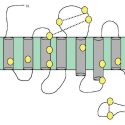
High Throughput Screening using G-protein coupled receptors as the target plate-based and biochromatographic technologies By Professor Irving W.Wainer, Dr Farideh Beigi and Dr Ruin Moaddel The G-protein coupled receptor (GPCR) family constitutes the largest class of cell surface receptors and GPCRs are the targets for more than 50% of the… Read More

#Archive