Assays

#Assays #Drug discovery #Imaging #Live cell analysis #Macrophages #Phenotyping #Technical Note

Optimise macrophage assays and boost immunology research

A new free resource from Lonza is now available entitled ‘Optimising macrophage polarisation and phagocytosis assays‘. Download this Technical Note to learn: Streamlined Macrophage Workflow: Transform cryopreserved or PBMC-derived monocytes into M1 or M2 macrophages using a reproducible, high-throughput protocol. Comprehensive Validation: Confirm phenotype and function with live-cell imaging… Read More
#News

#Assays #Drug discovery #Imaging #Live cell analysis #Macrophages #Phenotyping

Optimising macrophage polarisation and phagocytosis assays

Download this Technical Note to learn: Streamlined Macrophage Workflow: Transform cryopreserved or PBMC-derived monocytes into M1 or M2 macrophages using a reproducible, high-throughput protocol. Comprehensive Validation: Confirm phenotype and function with live-cell imaging and phagocytosis assays for application-ready results. Accelerated Research: Enhance drug discovery, immunotoxicology, and screening workflows with both… Read More

#Resources

Neuroscience
#Assays #Guide #iPSC #Neuroscience #Preclinical development

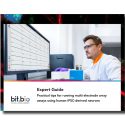
Guide: 10 practical tips for reliable MEA experiments in preclinical neuroscience

Combining human iPSC-derived neurons with multi-electrode array (MEA) assays can provide powerful insights into synaptic connectivity, network dynamics, and functional maturation. However, MEA experiments can be challenging, with small changes in cell culture conditions dramatically impacting results. In this expert Guide, bit.bio’s Field Applications Scientist shares key considerations for improving… Read More

#News

#Assays #iPSC #Neuroscience #Preclinical development

10 practical tips for reliable MEA experiments in preclinical neuroscience

Combining human iPSC-derived neurons with multi-electrode array (MEA) assays can provide powerful insights into synaptic connectivity, network dynamics, and functional maturation. However, MEA experiments can be challenging, with small changes in cell culture conditions dramatically impacting results. In this expert Guide, bit.bio’s Field Applications Scientist shares key considerations for improving… Read More

#Resources

Human gastrointestinal tract
#Assays #Drug discovery #Guide #In vivo #Obesity #Weight loss

Guide: Accelerate your weight loss drug discovery

A new Guide is now available from Eurofins Discovery entitled ‘Drug Discovery for Anti-Obesity‘. Explore obesity case studies profiling semaglutide, tirzepatide, and retatrutide using Eurofins Discovery’s weight-loss solutions. Advance your obesity program with on/off-target panels, translational assays, in vivo models, and MOA-reflective tools. Partner with expert scientists and program… Read More

#News

Drug Discovery for Anti-Obesity
#Assays #Drug discovery #In vivo #Obesity #Weight loss

Accelerate your weight loss drug discovery

Explore obesity case studies profiling semaglutide, tirzepatide, and retatrutide using Eurofins Discovery’s weight-loss solutions. Advance your obesity program with on/off-target panels, translational assays, in vivo models, and MOA-reflective tools. Partner with expert scientists and program managers for strategic guidance and scientific leadership on your integrated drug discovery programs targeting weight-loss… Read More

#Resources

Red blood cells
#Assays #Cellular imaging #Drug discovery #High throughput screening #In vitro #Technical Note

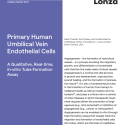
Technical Note: Unlocking high-throughput potential

A new Technical Note from Lonza is now available entitled ‘Primary Human Umbilical Vein Endothelial Cells: A Qualitative, Real-time, In-vitro Tube Formation Assay‘. Download the Technical Note to learn more about these unique features: Co-culture model with high biological relevance Compatible with live-cell imaging which allows for real-time… Read More

#News

#Assays #Drug discovery #eBook #Lab equipment #Microplates

eBook: Enhance microplate performance

A new eBook is now free to download from Aurora Microplates. In this eBook, the company explores the three critical areas that scientists must pay attention to when selecting the right microplate. Material Purity: Not all microplate materials are equal and impurities in plastics can affect cell health Plate… Read More

#News

#Assays #Drug discovery #Lab equipment #Microplates

Enhance microplate performance by understanding key factors that affect outcomes of scientific research

In this eBook we explore the three critical areas that scientists must pay attention to when selecting the right microplate. Material Purity: Not all microplate materials are equal and impurities in plastics can affect cell health Plate Design: Flatness is crucial to capture high quality images especially with HTS &… Read More

#Resources

#Assay development optimisation & technology #Assay validation #Assays #Cellular assays #In vitro assays

Assays: A key ingredient to success in drug discovery

DDW’s Megan Thomas discusses the value of assays and their influence across the drug discovery sector. Assays are a critical part of drug discovery, providing various means to measure biological or biochemical activity of potential drug compounds. Across the sector, it is evident the impact they have and their inherent… Read More

#Exclusive Content

High-throughput screening
#Assays #Cell / tissue culture #Cellular assays #Drug discovery #eBook #High throughput screening

Overcome the challenges of cell-based high-throughput screening

The tenth eBook of the Hamilton series is now available to download, entitled ‘Cell-Based High-Throughput Screening‘. The eBook covers: Cell-based models used in research – pros and cons. Challenges of cell-based high-throughput screening. Hamilton software and hardware tools for cell-based assays. Download now. Read More

#News

#Assays #Cell / tissue culture #Cellular assays #Drug discovery #High throughput screening

Cell-Based High-Throughput Screening

In the tenth eBook of the Hamilton series, ‘Cell-Based High-Throughput Screening’, we discuss: Cell-based models used in research – pros and cons. Challenges of cell-based high-throughput screening. Hamilton software and hardware tools for cell-based assays. Read More

#Resources

#Assays #Case study #Drug development #Drug discovery #iPSC #Neurology

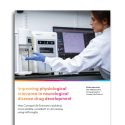
Case Study: Consistent assays for neurological drug development

A new Case Study is now available to download for free entitled ‘Improving physiological relevance in neurological disease drug development.’ In this case study, hear from Elise Malavasi, PhD, a Principal Scientist at leading contract research organisation Concept Life Sciences. The interview highlights their need to develop… Read More

#News

Case Study: Improving physiological relevance in neurological disease drug development
#Assays #Drug development #Drug discovery #iPSC #Neurology

Improving physiological relevance in neurological disease drug development

In this case study, hear from Elise Malavasi, PhD, a Principal Scientist at leading contract research organisation Concept Life Sciences. The interview highlights their need to develop assays that are amenable to long term use to support their clients with drug development, and how bit.bio’s deterministically programmed ioMicroglia have helped… Read More

#Resources

#Assay development optimisation & technology #Assays #Collaborative Drug Discovery (CDD) #Drug development #Drug discovery

How improved assay analysis benefits early drug discovery

DDW Editor Reece Armstrong speaks to Abraham Wang, Head of Marketing at Collaborative Drug Discovery (CDD) about annotated assays and the advantages they bring to research teams. RA: What advantages can better analysis into assays bring to drug developers? AW: Better analysis into assays offers a multitude of advantages, including… Read More

#Exclusive Content