DNA Diagnostics Gets Digitised – Quantitative real-time PCR By Dr Mikael Kubista and Dr Anders Stahlberg Quantitative real-time PCR (qPCR) has during the last two decades emerged as the preferred technology for nucleic acid analysis in routine as well as in research. qPCR has… Read More
Targeting Target Cancer Metabolism – What is fuelling the resurgence? By Dr Neil P. Jones Targeting the metabolic pathways of cancer is a hot topic for drug discovery. The central dogma is that cancers have a higher demand for metabolic inputs to aid proliferation and survival and… Read More
8 Years of Surveying Ion Channel Screening – Has anything changed? By Dr John Comley No review of ion channel screening over the past decade can avoid discussing the pivotal role played by automated electrophysiology. Arguably this technology, more than any other, has opened up the field… Read More
Dr Wilma Keighley Generally kinetics are only investigated late in a programme by which time many compounds, slightly less potent but with a much better kinetic profile, have already been discarded. This paper argues that having kinetic information at the early stages of drug discovery can… Read More
By Dr Lesley J Millatt, Dr Rmy Hanf and Dr Dean W Hum According to the International Diabetes Federation, more than 285 million people (6.4% of the world population) are currently estimated to suffer from diabetes, a figure which is expected to rise to 438… Read More
Early Patient Stratification is Critical to Enable Effective and Personalised Drug Discovery and Development By Dr David A Fryburg, Dr Diane H Song and Dr David de Graaf With the current chances of an efficacious outcome in Phase II for novel mechanisms being in the region of… Read More
Selecting a Lab Information Management System (LIMS) for Next-Generation Sequencing Research By Bruce Pharr and Dr Michael Kuzyk Genomics has revolutionised the life sciences industry by combining human ingenuity with right-place/right-time serendipity. Advances in computer processing and storage have provided the bandwidth and throughput to enable the… Read More
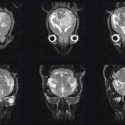
In Vivo Preclinical Imaging – An Essential Tool in Translational Research By Dr John Comley In vivo imaging of small animals (mainly mice) is increasingly being deployed across the drug development process, particularly in the oncology/cancer therapeutic area. One of the main applications is… Read More
Next Generation Flow Chemistry and Biology Platforms: The Impact on Small Molecule Drug Discovery By Dr J Mark Treherne, Dr David M Parry and Christopher N Selway Can the next generation of flow chemistry and biology platforms be fully integrated to transform the efficiency of small-molecule drug… Read More
In Vivo Cell Reprogramming: Current status and potential clinical applications By Dr Shili Wu, Jonathan Pang, Bobby Baravati, Jun Bao and Dr Yong Zhu In Vivo Cell Reprogramming, or IVR, is a new technology that can be used to develop cures for incurable diseases. Using a combination… Read More
The Post Genomic Era: What Does It All Mean? By Dr Chris Torrance Information may no longer be a bottleneck to understanding and tackling complex genetic diseases such as cancer. For those who cut their research teeth not so very long ago, before PCR was thought of by… Read More
By Michael Werner, Morrie Ruffin and Elizabeth West The regenerative medicine market offers phenomenal opportunities for growth in the next few decades. However, there are still major issues to be addressed to enable this nascent industry to truly flourish, especially with regard to investment and the… Read More
By Dr Cliff Murray Drug Discovery The pharmaceutical industry is still struggling to cure cancer despite pouring enormous resources into the search for new treatments. We take a look at the some of the current technologies for the discovery and delivery of molecular diagnostic, prognostic and… Read More
Epigenetics: An Emerging Target Class for Drug Screening By Dr John Comley Heightened awareness of the potential importance of epigenetic targets in many disease areas, and growing vendor interest in developing new assays to screen DNA methylation and histone modifications encouraged HTStec to undertake market research in… Read More
High Throughput Screening Systems: Impact of Reliability on Downtime and Drug Discovery By Dr John Comley This article reports the results of a survey on the reliability of automated HTS assay systems and the effect of reliability on output. Evidence supporting the view that high throughput screening (HTS)… Read More
Protein Biomarker Immunoassays: Opportunities and Challenges By Dr M. Walid Qoronfleh and Dr Klaus Lindpaintner With the biopharma industry under heavy pressure, transforming the scientific interchange between the laboratory and the clinic is exceedingly critical. Realising the costly toll of drug attrition in late-stage development, many companies… Read More