
Phase II trial will test monoclonal antibody for dengue
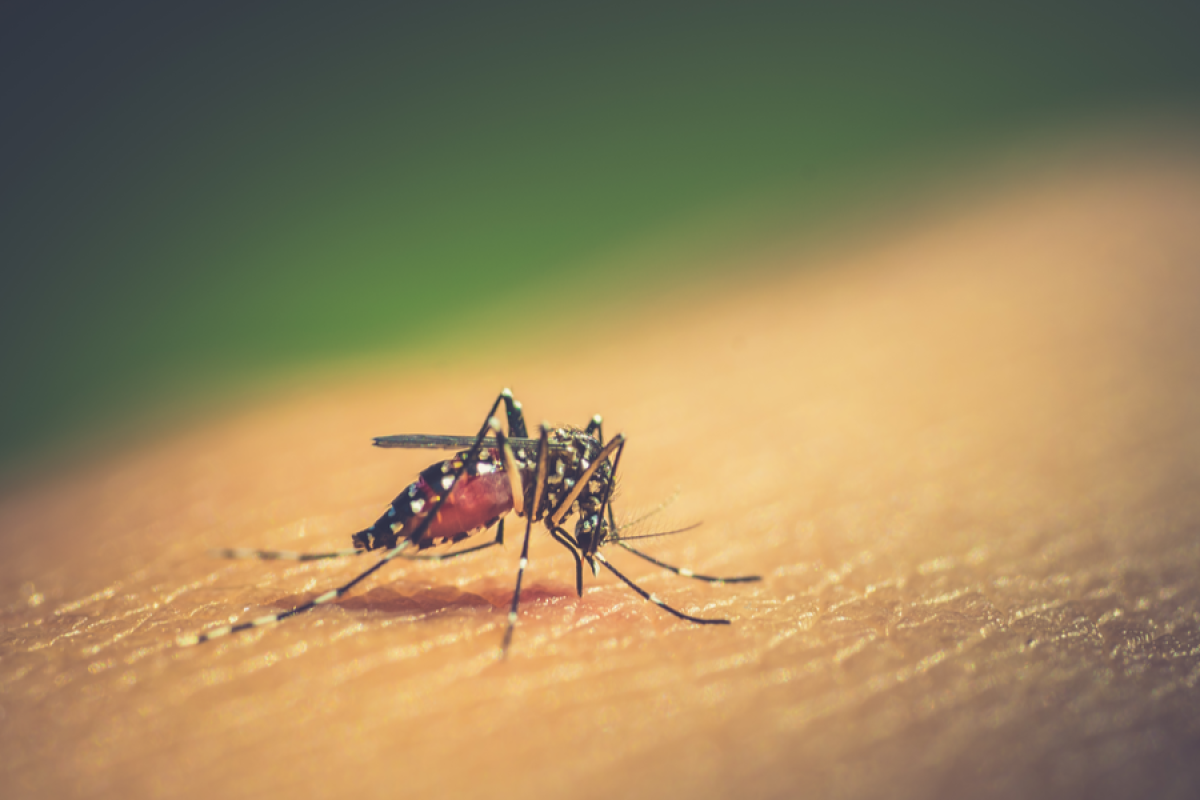
A clinical trial supported by the National Institutes of Health (NIH) is testing an experimental treatment for the effects of dengue, a mosquito-borne viral disease.
The study is supported by NIH’s National Institute of Allergy and Infectious Diseases (NIAID).
It will test the ability of AV-1, an investigational human monoclonal antibody developed by US-based company AbViro, to mitigate clinical symptoms when administered before and after dengue virus infection.
The results of a previously completed NIAID-supported Phase I trial indicated that AV-1 is safe in humans.
Dengue is transmitted via infected Aedes mosquitoes and sickens as many as 400 million people each year, primarily in tropical and subtropical parts of the world, according to the US Centers for Disease Control and Prevention.
In 2024, dengue cases surged to record levels in the Americas with local US transmission reported in Arizona, California, Florida, Hawaii, and Texas. Dengue is endemic in Puerto Rico, which reported nearly 1,500 cases last year.
Most people with dengue do not develop symptoms, but those who do commonly experience severe headache and body aches, nausea and vomiting, fever and rash. One in 20 people who get sick with dengue progress to severe illness, which may lead to shock, internal bleeding, and death. There is currently no FDA-approved treatment for dengue.
“When caring for a patient who is critically ill with dengue, healthcare providers have few options other than providing supportive care,” said NIAID Director Jeanne Marrazzo. “We must find safe and effective therapeutics to provide much-needed relief to people suffering from dengue.”
Details of the dengue clinical trial
The Phase II clinical trial will enrol at least 84 healthy adult volunteers at two sites: the Johns Hopkins Bloomberg School of Public Health Center for Immunization Research in Baltimore, and the University of Vermont Vaccine Testing Center in Burlington.
One group will receive AV-1 one day prior to being challenged with a mild strain of dengue virus, and the other will receive AV-1 four days after being challenged with the dengue virus. Each group will be further subdivided to receive 100mg, 300mg, or 900mg of AV-1, delivered in a 60-minute intravenous infusion. For each of the three dosage levels, 12 participants will receive the investigational monoclonal antibody, and two will receive a placebo.
Before or after AV-1 dosing, each volunteer will receive an injection of attenuated (weakened) dengue virus. In earlier studies using this challenge virus, most volunteers developed a rash, and some had other mild dengue symptoms, such as joint and muscle pain or headache. None of the volunteers developed dengue fever or severe dengue.
If AV-1 shows promising results in this clinical trial, researchers may pursue further clinical evaluations of its safety and efficacy against dengue virus.
Diana Spencer, Senior Digital Content Editor, DDW