
Novel therapy could slow tumour growth, results find
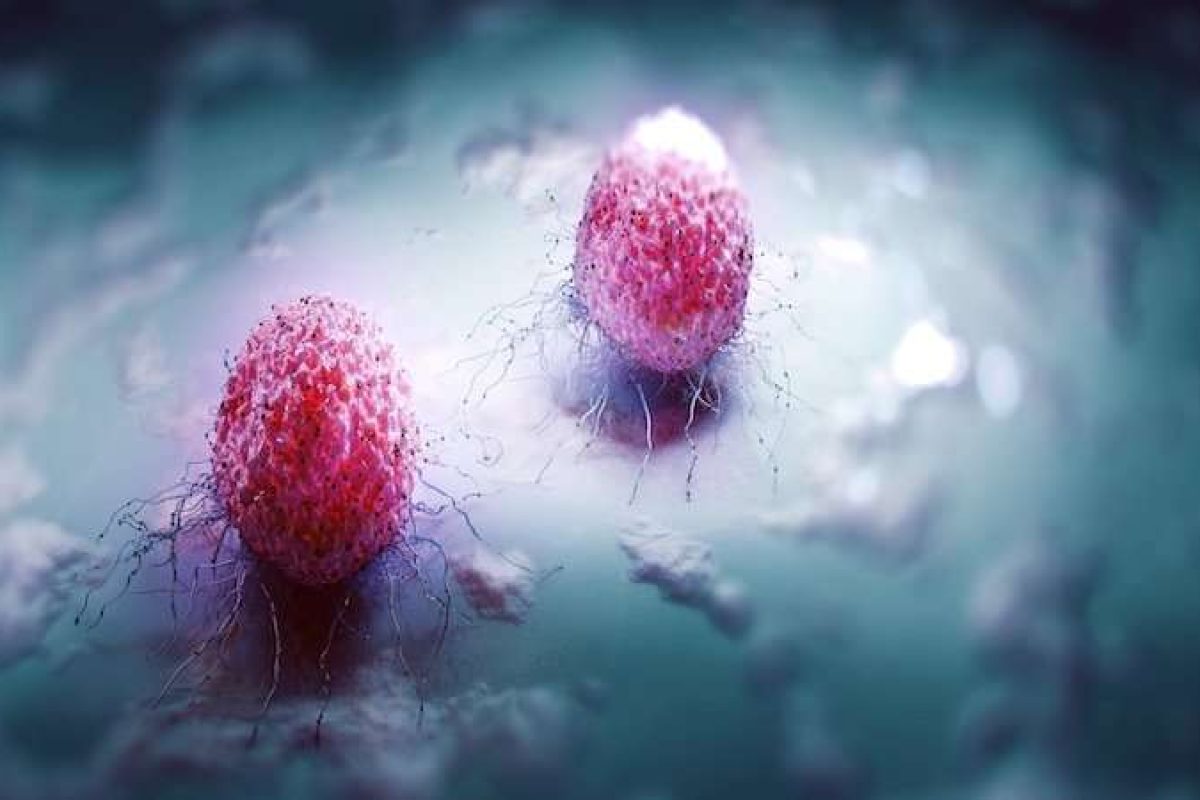
A novel cancer therapy targeting tumour acidity could boost immune response and slow cancer growth, studies show.
Biotechnology company Dyve Biosciences, in collaboration with Moffitt Cancer Center, reported results for a first-of-its-kind investigational therapy applied to the skin, which is designed to work throughout the body to target the tumour microenvironment – a key driver of treatment resistance and immune evasion.
The treatment, a novel transdermal therapy designed to modulate tumour pH, helped make tumours substantially less acidic, restore T-cell activity, slow tumour growth and improve survival in preclinical studies.
Known as DYV800, the treatment also demonstrated systemic effects, with activity beyond the site of application, and may have broader potential across multiple solid tumour types where tumour acidity plays a role.
“Tumour acidity is a major barrier that can prevent the immune system from doing its job,” said Shari Pilon-Thomas, Co-Director at the Center for Immunisation and Infection Research in Cancer (CIIRC) at Moffitt Cancer Center and Corresponding Author.
“By making tumours less acidic, we were able to restore immune activity and improve anti-tumour response in our preclinical models. We believe targeting tumour acidity could represent a potential breakthrough in cancer treatment, particularly when used in combination with immunotherapy, where raising tumour pH may help improve the effectiveness of checkpoint inhibitors.”
New approach could ‘expand what’s possible for patients’
The findings, published in Frontiers in Immunology, follow studies conducted by researchers at Moffitt Cancer Center using animal models of bladder cancer.
Instead of attacking the tumour directly, DYV800 targets the conditions that help tumours survive. Researchers believe tumour acidity may act as an upstream immune checkpoint, suppressing immune response before traditional checkpoint pathways are engaged. Prior research has shown tumour-reactive CD8 T-cell responses can drop significantly in acidic conditions, reinforcing the role of pH in limiting immune activity.
Scientists have increasingly focused on the tumour microenvironment because it influences how tumours grow, evade the immune system and respond to treatment. Solid tumours often develop an acidic environment, typically ranging from pH 6.2 to 6.8 compared to a normal physiological pH of 7.4, which suppresses immune function and contributes to treatment resistance.
Modulating tumour pH and making tumours less acidic may help restore immune function and improve how some cancer treatments work.
“We believe this approach represents a game-changing new way to treat cancer by targeting the tumour microenvironment,” said Dr Ryan Beal, CEO of Dyve Biosciences.
“Instead of going after the tumour directly, we’re changing the conditions that allow it to survive. That shift has the potential to improve how existing treatments work and expand what’s possible for patients.”