
How 3D genomics can accelerate personalised medicine
Dr Daniel Turner, Chief Scientific Officer, Enhanc3D Genomics, outlines how 3D genomics offers a radically novel approach to address challenges in drug target discovery and how it can affect change in drug target identification, cell therapy and personalised medicine.
3D genome folding
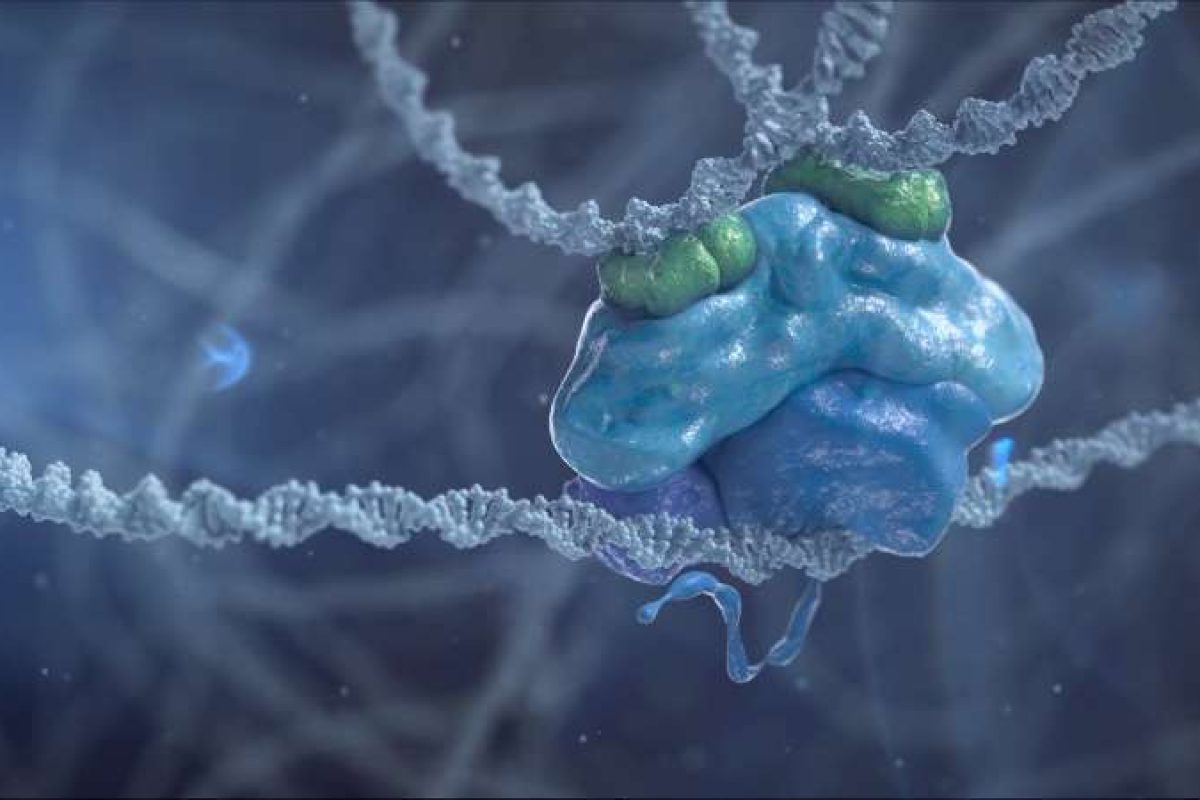
DNA within the cell nucleus is more than the simple linear thread of primary sequence; it is tightly packed and folded non-randomly in a cell-type specific manner. Crucially, the intricate way the human genome is folded is a key step in defining cell function and identity. This is because the three-dimensional folding of DNA in the nucleus allows key gene control elements, such as promoters and enhancers, to interact and communicate with each other, which drives cell-type specific gene expression programmes. Enhancers act like molecular switches which control where and when their target genes are expressed. They often act over large genomic distances, in some cases over a million base pairs, and ‘jump over’ more proximally located target genes, to interact with and control their target genes. Therefore, linking enhancers to their target genes, essential to understanding fundamental gene control mechanisms, is impossible without the in-depth knowledge on the cell-type specific folding of the human genome that 3D genomics provides.
Importantly, only a small fraction of the human genome codes for proteins; the majority (~ 98%) consists of non-coding DNA, which plays a critical role in gene regulation, cellular identity, and disease susceptibility. The vast majority of enhancers are found in these non-coding regions of the genome, which remain largely untapped for understanding cell function, disease causation and novel therapeutic development.
GWAS deorphanisation
Genome-wide association studies (GWAS) have identified thousands of disease-associated regions in the human genome across dozens of disease indications. Surprisingly, only about 5% of these regions affect the protein-coding genome and thus the structure of the protein itself. Thus, most disease-associated regions (~95%) are found in the non-coding human genome, and a large proportion of these carry the hallmarks of enhancers1. Therefore, it is highly likely that deciphering the mechanism of action of enhancers is key to understanding human disease.
Crucially, as 3D genomics links enhancers to their target genes in the three-dimensional space of the nucleus, it has the power to identify novel target genes whose perturbed regulation contributes to disease, and to elucidate novel mechanisms driving disease. This deorphanisation of GWAS is one of the key strengths of 3D genomics, as it will enable us to utilise all of the available genetic-risk information that has been accumulated over the last 20 years, not just the 2% which codes for proteins. Large datasets from GWAS give us greater insights into the influence of genes on disease, and incorporating 3D genomics into the analysis is set to further expand our understanding of dysfunctional gene regulation.
Disease-relevant cell types
Although all cells in the human body have essentially the same genome sequence, the 3D genome is uniquely folded in each cell type, which is now known to be a fundamental epigenetic layer of regulation mediating a cell’s core gene-expression pattern, and thus defining cell identity and function. Moreover, morphologically similar cell-types can be further refined into functionally distinct sub-populations through 3D-profiling. Therefore, 3D genomics can overcome a key inherent limitation of GWAS: data from GWAS alone can only pinpoint disease-associated polymorphisms in the genome, but not which cell type(s) these variants exert their disease-associated effects. Importantly, 3D genomics not only uncovers the relevant target genes of disease-associated regions, but also identifies the cell types and cellular pathways in which these interactions manifest, enabling the design of treatment options targeting specific cell types.
3D genomics & patient stratification
The majority of medical treatments are designed for the general population with a “one size fits all” approach, and while many of these therapies are effective, not all patients respond to them, and some show adverse reactions. It has become increasingly clear that an in-depth understanding of an individual’s genetic makeup can positively influence and guide decisions about the diagnosis, treatment, and prevention of certain medical conditions.
Recent developments in drug development clearly reflect the recognised need to tailor treatment options to specific patients. For example, in 2021, of the 48 new therapeutic molecular therapies approved by the US Food and Drug Administration’s Center for Drug Evaluation and Research, 17 were approved as personalised medicines2.
How can 3D genomics advance personalised medicine? Notably, a pilot study has demonstrated that patient-specific 3D genome folding signatures can be used to stratify rheumatoid arthritis patients into responder vs non-responder groups to treatment with methotrexate, a widely used first-line disease-modifying antirheumatic drug3. This finding suggests the exciting possibility that patient-specific 3D genome folding signatures could represent a novel class of biomarkers to sub-divide patient populations more accurately for precision medicine; however, more work is required to establish the generality of this concept across different disease indications.
In addition to the key areas discussed above, in the future 3D genomics will also play key roles in i) acting as a “Rosetta stone” to deciphering other ‘omics data; from genomics to epigenomics and transcriptomics, ii) detecting structural rearrangements of the human genome that are common in diseases including cancer4, and iii) opening up possibilities to re-purpose existing approved drugs to cell-types and disease settings that may bear no biological resemblance, but do on a pathway activation mechanism basis.
Summary
Milestone studies have established that drug discovery that is supported by genetic evidence is substantially more likely to result in success5,6. However, these studies have mainly focussed on the coding 2% of the human genome. The non-coding genome is a largely untapped resource in this respect, and the complex regulatory landscapes in the non-coding human genome can only be deconvoluted by experimentally profiling 3D genome folding.
Combining genetic insights, 3D genomics, multi-omics and computational methods will create a healthcare landscape where precision medicine meets proactive care. Recent years have seen a rapid shift from exome sequencing to whole genome sequencing in clinical applications; this means that by considering each patient’s unique genetic profile, it will be possible to substantially optimise future therapeutic strategies for improved outcomes.
Further, through the full impact of 3D genomics, we can now dissect in exquisite detail a much wider array of human cell sub-types than ever before, also opening up new avenues for classifying and treating disease, especially when novel genetic variant functions are layered onto these high-definition sub-types. More examples linking GWAS analysis and 3D genomics will therefore build a more complete picture of disease mechanisms, enabling targeted and patient-tailored treatments.
To realise the promise of personalised medicine, we must ensure all research data can be effectively integrated to change the patient journey. The convergence of omics and 3D genomics holds promise for a future where treatments can be increasingly precise, and where drug development can be tailored to both cell types implicated in disease and to a patient’s specific DNA makeup. It is clear that this vision can only be realised by embracing 3D genomics as the next dimension in discovery.
From DDW Volume 25 – Issue 3, Summer 2024 Read the digital issue
References:
- Maurano MT, Humbert R, Rynes E, et al. Systematic localization of common disease-associated variation in regulatory DNA. Science 2012;337(6099):1190-1195.
- Personalized Medicine at FDA, The Scope and Significance of Progress 2021 (https://www.personalizedmedicinecoalition.org/Userfiles/PMC-Corporate/file/Personalized_Medicine_at_FDA_The_Scope_Significance_of_Progress_in_2021.pdf)
- Carini C, Hunter E, Ramadass AS, et al. Chromosome conformation signatures define predictive markers of inadequate response to methotrexate in early rheumatoid arthritis. Journal of Translational Medicine 2018;16:1-11.
- Harewood L, Kishore K, Eldridge MD, et al. Hi-C as a tool for precise detection and characterisation of chromosomal rearrangements and copy number variation in human tumours. Genome biology 2017;18:1-11.
- Nelson MR, Tipney H, Painter JL, et al. The support of human genetic evidence for approved drug indications. Nature Genetics 2015;47(8):856-860.
- Minikel EV, Painter JL, Dong CC, Nelson MR. Refining the impact of genetic evidence on clinical success. Nature 2014:1-6.
 About the author
Dr Dan Turner has over 20 years of senior leadership experience within the fields of genetics, molecular biology, and sequencing research. He joined Enhanc3D Genomics from Oxford Nanopore Technologies, where he held roles including Senior Vice President, Vice President and Senior Director of Applications.