
Highly promising new oral approach to abdominal pain
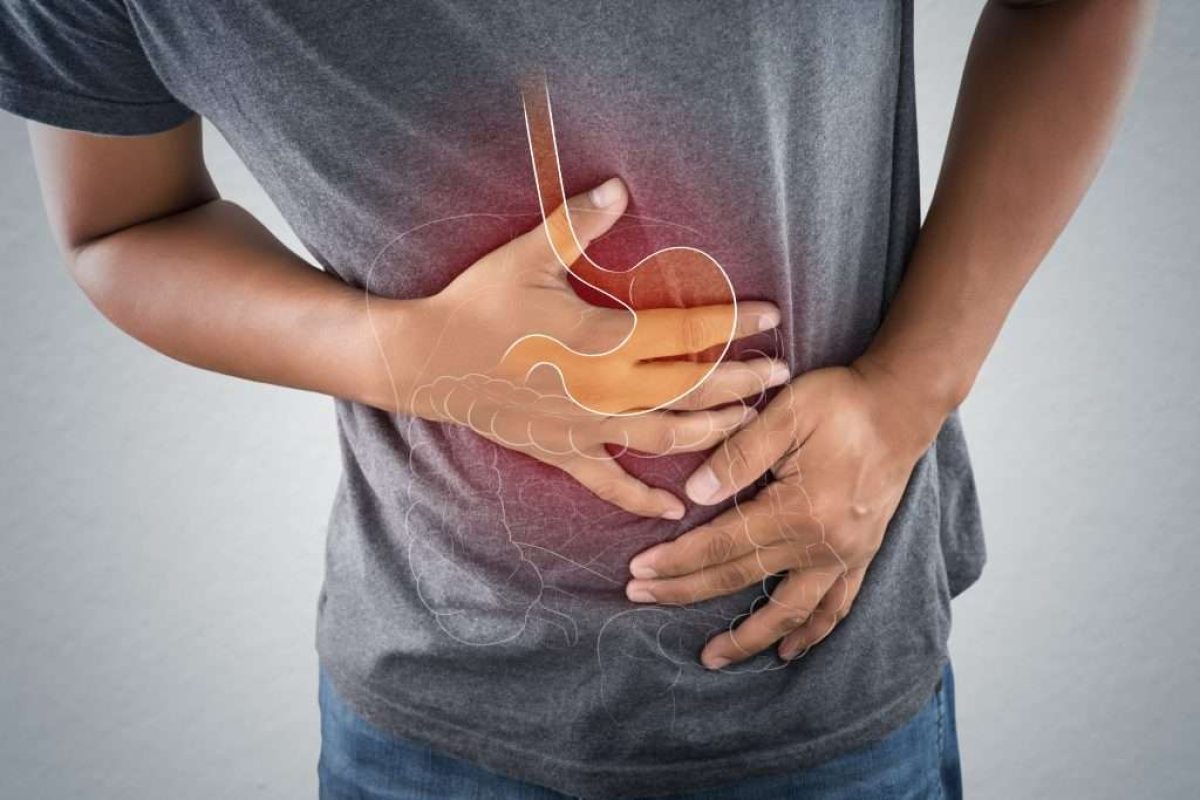
University of Queensland (UQ) researchers have developed a new class of oral painkillers to suppress chronic abdominal pain that is based on the peptide hormone oxytocin.
The team changed the chemical structure of oxytocin to make it gut-stable after earlier work revealed the hormone could treat abdominal pain.
Associate Professor Markus Muttenthaler from UQ’s Institute for Molecular Bioscience said there was an urgent need for new treatments for the chronic pain caused by gastrointestinal disorders such as irritable bowel syndrome (IBS) and irritable bowel diseases (IBD).
“This pain affects up to 15% of adults in their lifetime, and all we have are anti-inflammatories and opioids which can cause side effects and addiction,” Dr Muttenthaler said. “We have now developed a way of making peptides gut-stable so they can be given orally. This is a new and highly promising approach to treating gut disorders.”
Oxytocin is a peptide hormone produced in the brain which is known as the ‘bonding hormone’ or the ‘love molecule’ due to its effects on relationship building, empathy and trust.
Oxytocin is also the key hormone that induces uterine contractions during labour and facilitates milk release during breastfeeding.
The research indicates that the new molecules work in the colon and do not need to cross the gut barrier into the bloodstream to suppress abdominal pain.
“This is a very safe therapeutic approach as it reduces the risk of side effects in the rest of the body, a problem with many other systemic drugs,” Dr Muttenthaler said. “Now that we have perfected making peptides stable, we are looking at other gut drugs to improve treatment options for gastrointestinal disorders, an unmet medical need.”
The research is published in Angewandte Chemie.
Diana Spencer, Senior Digital Content Editor, DDW