
GSK reveals plans to advance mRNA flu vaccine to Phase III
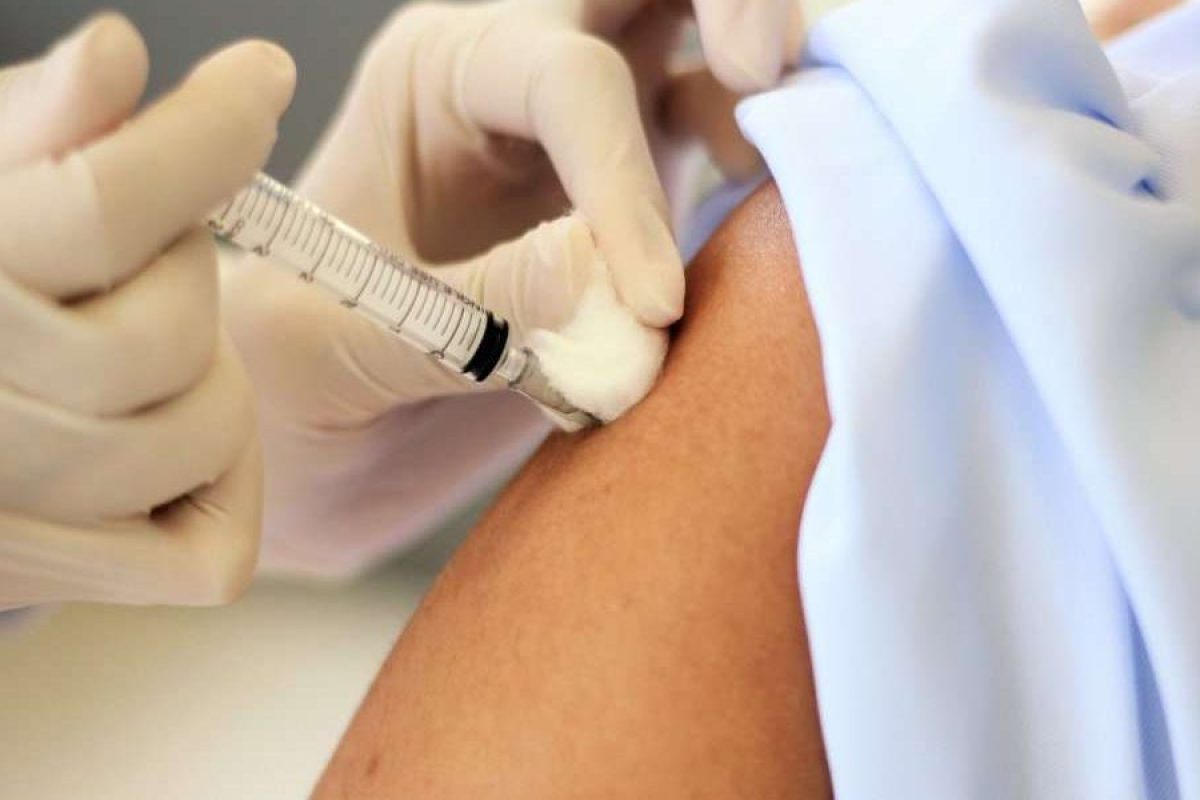
GSK has revealed that its mRNA seasonal influenza (flu) vaccine candidate has shown higher immune responses against all influenza strains tested compared to licensed standard dose and high dose inactivated flu vaccines.
The Phase II data were presented at the OPTIONS XIII Conference for the Control of Influenza. Based on these results, GSK says that it intends to start a Phase III efficacy trial in September 2026.
This will be the first Phase III trial of an mRNA flu vaccine designed to target both haemagglutinin (HA) and neuraminidase (NA), the primary surface antigens that cause the flu virus to bind and spread.
While licensed flu vaccines primarily target HA, GSK’s vaccine candidate is specifically designed to also target NA. Growing evidence suggests this could help improve protection, illness severity and transmission.
Sanjay Gurunathan, Head of Vaccines and Infectious Diseases Research and Development (R&D) at GSK, said: “These promising data support the potential to better protect people from flu with a vaccine designed to target both HA and NA. With one billion flu cases worldwide each year and up to 650,000 deaths, there is a need for next generation vaccine approaches. This result is a significant advance in our cutting-edge mRNA programme, and we look forward to starting Phase III imminently.”
In July 2026, the US Food and Drug Administration (FDA) granted the vaccine candidate Fast Track designation for the targeted age indication, reflecting the urgent need to improve flu protection.
The Flu-028 Phase II trial tested the vaccine in 971 adults 18 years of age and older. Adults 18-64 and ≥65 years of age received different dose levels of either FLUm3HA.b-3NA (encoding an optimised B-strain HA), FLUm3HA-3NA (encoding non-optimised B/HA) or licensed age-appropriate comparators.