
Gene therapy treats rare genetic sight impairment in the UK
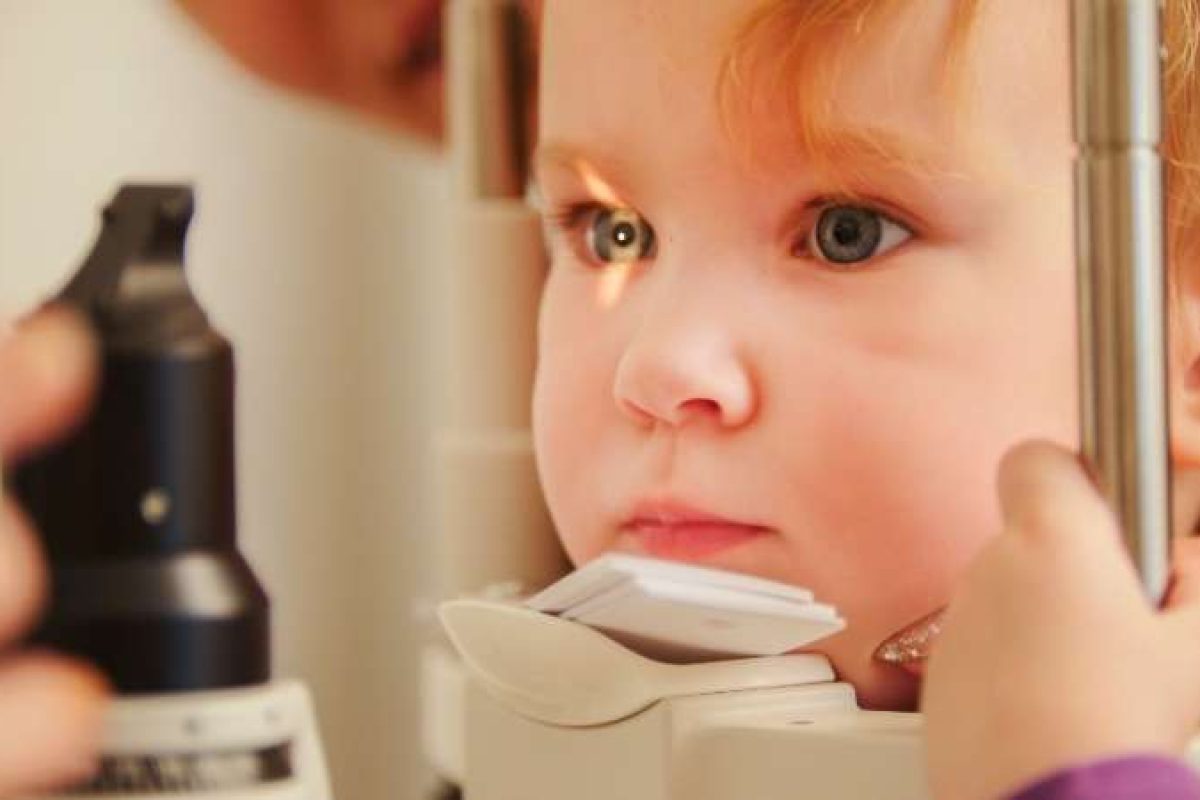
Four young children have gained improvements in their vision following treatment with a new genetic medicine through Moorfields Eye Hospital and UCL Institute of Ophthalmology, with the support of MeiraGTx.
The children were born with a severe impairment to their sight due to a rare genetic deficiency that affects the ‘AIPL1’ gene.
The condition means those affected are born with only sufficient sight to distinguish between light and darkness.
The gene defect causes the retinal cells to malfunction and die, with children affected being legally certified as blind from birth. The new treatment is designed to enable the retinal cells to work better and to survive longer.
The procedure, developed by UCL scientists, consists of injecting healthy copies of the gene into the retina, at the back of the eye through keyhole surgery. These copies are contained inside a harmless virus, so can penetrate the retinal cells and replace the defective gene.
To mitigate any potential safety issues, the first four children received this novel therapy in one eye only. All four saw remarkable improvements in the treated eye over the following three to four years, but lost sight in their untreated eye.
Most severe form of childhood blindness
The outcomes of the new treatment, reported in The Lancet, show that gene therapy at an early age can dramatically improve sight for children with this condition – one that is rare and particularly severe.
Professor Michel Michaelides, Consultant Retinal Specialist at Moorfields Eye Hospital and Professor of Ophthalmology at the UCL Institute of Ophthalmology, commented: “We have, for the first time, an effective treatment for the most severe form of childhood blindness, and a potential paradigm shift to treatment at the earliest stages of the disease. The outcomes for these children are hugely impressive and show the power of gene therapy to change lives.”
Successful gene therapy for another form of genetic blindness (RPE65 deficiency) has been available since 2020.
The team is now exploring the means to make this new treatment more widely available.
Professor Robin Ali, UCL Institute of Ophthalmology and King’s College London Centre for Gene Therapy and Regenerative Medicine, added: “This work demonstrates the importance of UK clinical academic centre manufacturing facilities and MHRA (UK Medicines and Healthcare products Regulatory Agency) Manufacturer’s ‘Specials’ Licences (MSLs) in making advanced therapies available to people with rare conditions.”
The treatment was developed and manufactured at UCL under an MSL held by UCL. MeiraGTx supported production, storage, quality assurance and released and supplied it for treatment under their MSL.
Diana Spencer, Senior Digital Content Editor, DDW