
Dendritic cells found to organise cancer-fighting immune hubs
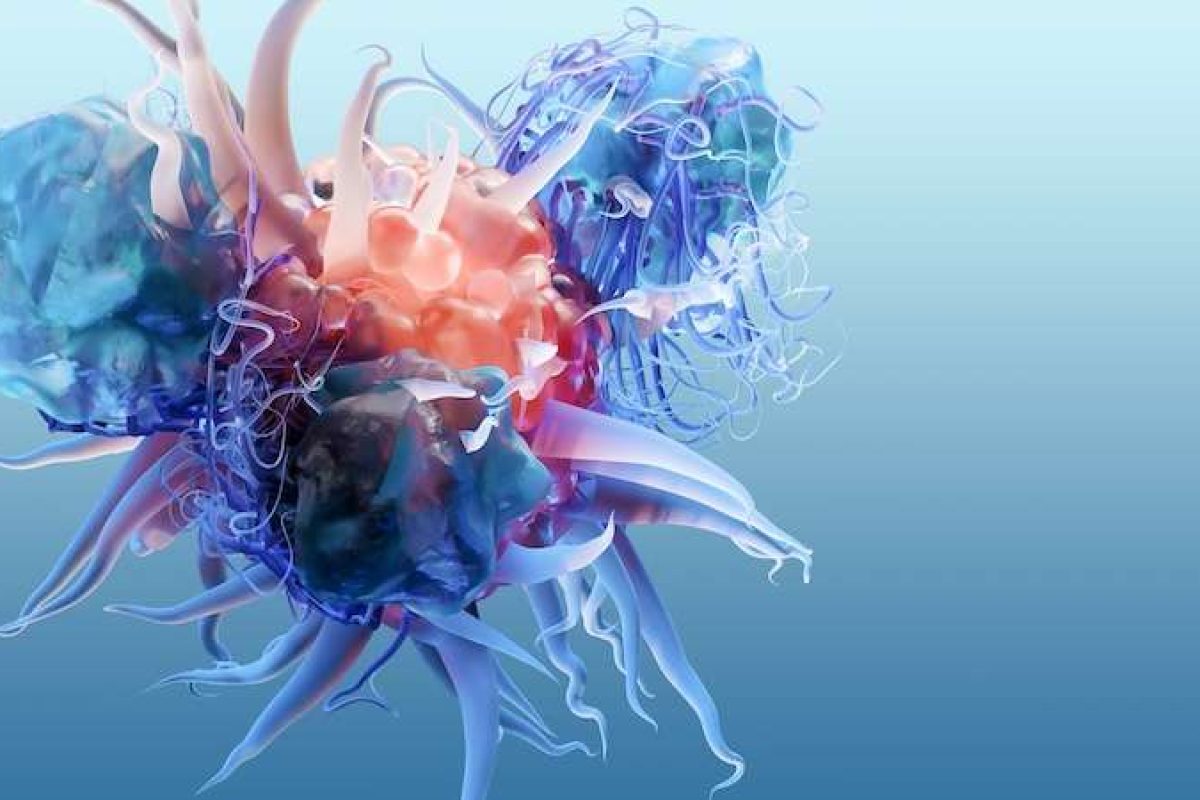
Researchers at the Icahn School of Medicine at Mount Sinai have identified a specialised immune cell that builds and maintains powerful immune hubs inside tumours, a discovery that could help improve the effectiveness of cancer immunotherapies.
The findings, published in Science, show that dendritic cell type 1 is essential for the development and maintenance of tertiary lymphoid structures (TLSs). These organised clusters of immune cells serve as local command centres, or immune “outposts,” where the body coordinates attacks against cancer directly within tumours.
Previous research has shown that patients whose tumours contain TLSs often live longer and respond better to immunotherapy. Until now, however, scientists did not know what controlled the formation and maintenance of these protective immune hubs.
“Our goal was to understand how these immune structures develop and persist inside tumours,” says lead study author Raphael Mattiuz, PhD, Instructor in the lab of Miriam Merad, MD, PhD, at the Icahn School of Medicine. “We found that a distinct subset of dendritic cells acts as the organiser, bringing together different immune cells and keeping the local anti-cancer response active. That gives us an important new target for future therapies.”
The researchers analysed tumour samples from patients with lung, liver, colorectal, kidney and ovarian cancers using advanced imaging and spatial gene analysis to identify the location of dendritic cells and their interactions with other immune cells.
To confirm their role, the team developed a mouse model that reproduced TLSs seen in human cancers. By removing, activating and genetically altering dendritic cells during tumour development, they showed that these cells are required not only to establish TLSs but also to maintain their function over time.
The study found that dendritic cells remain within tumours after TLSs form, coordinating immune activity by bringing together cancer-fighting T cells and antibody-producing B cells rather than travelling to nearby lymph nodes.
“We were surprised to see that these rare cells become permanent organisers within the tumour itself,” Dr Mattiuz said. “They don’t just activate cancer-killing T cells. They also help coordinate antibody responses, allowing multiple parts of the immune system to work together where they’re needed most.”
The researchers say the findings provide a foundation for developing therapies that increase the number or activity of dendritic cells to strengthen immune responses within tumours. Future research will investigate how TLSs generate long-lasting anti-cancer immunity and whether activating dendritic cells can improve immunotherapy, reduce cancer recurrence and prevent metastasis.