
BMS’s CAR-T shows potential for immune reset in lupus
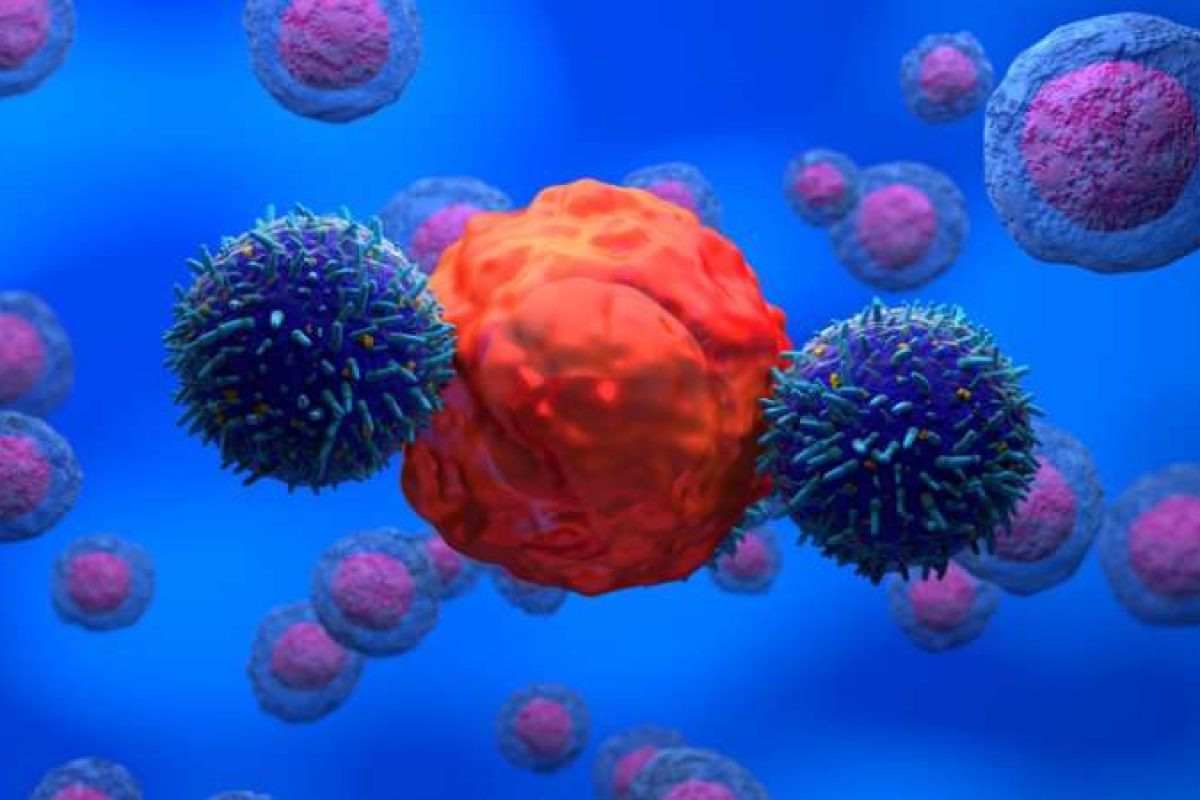
Bristol Myers Squibb has shared its first results in chronic, refractory autoimmune diseases from the Phase I Breakfree-1 study of its investigational, autologous CD19-targeted NEX-T CAR T cell therapy BMS-986353 (CC-97540).
The data evaluates a total of 71 treated patients across the systemic sclerosis (SSc), systemic lupus erythematosus (SLE) and idiopathic inflammatory myopathies (IIM) cohorts.
The preliminary Phase I safety and efficacy results presented are consistent with the potential for immune reset, showing robust CAR-T cell expansion, complete B cell depletion and re-emergence of a naive B cell phenotype across all three cohorts.
At the time of analysis, 94% of evaluable patients remained off chronic immunosuppressive therapy.
All cohorts presented demonstrate an acceptable safety profile, with the majority of adverse events occurring shortly after infusion and resolving quickly with standard management protocols, as is expected with CAR-T cell therapies.
“Over the last decade, BMS has been a leader in revolutionising the treatment of certain blood cancers with cell therapy. Now, we are building on this expertise to bring the modality into the new frontier of autoimmune diseases,” said Lynelle Hoch, President, Cell Therapy Organization, Bristol Myers Squibb. “While early, these data demonstrate our focus and steady advancement toward introducing the potential of treatment-free remission, which just a few years ago was not thought to be possible for patients with severe autoimmune disorders.”
CD19 NEX-T pairs the CAR construct used in BMS’ FDA-approved Breyanzi (lisocabtagene maraleucel; liso-cel), approved in certain haematologic malignancies, with the next-generation NEX-T platform which aims to optimise the manufacturing process.
Diana Turner, Deputy Editor, DDW