
Birmingham Uni and Nobel winner secure inflammation funding
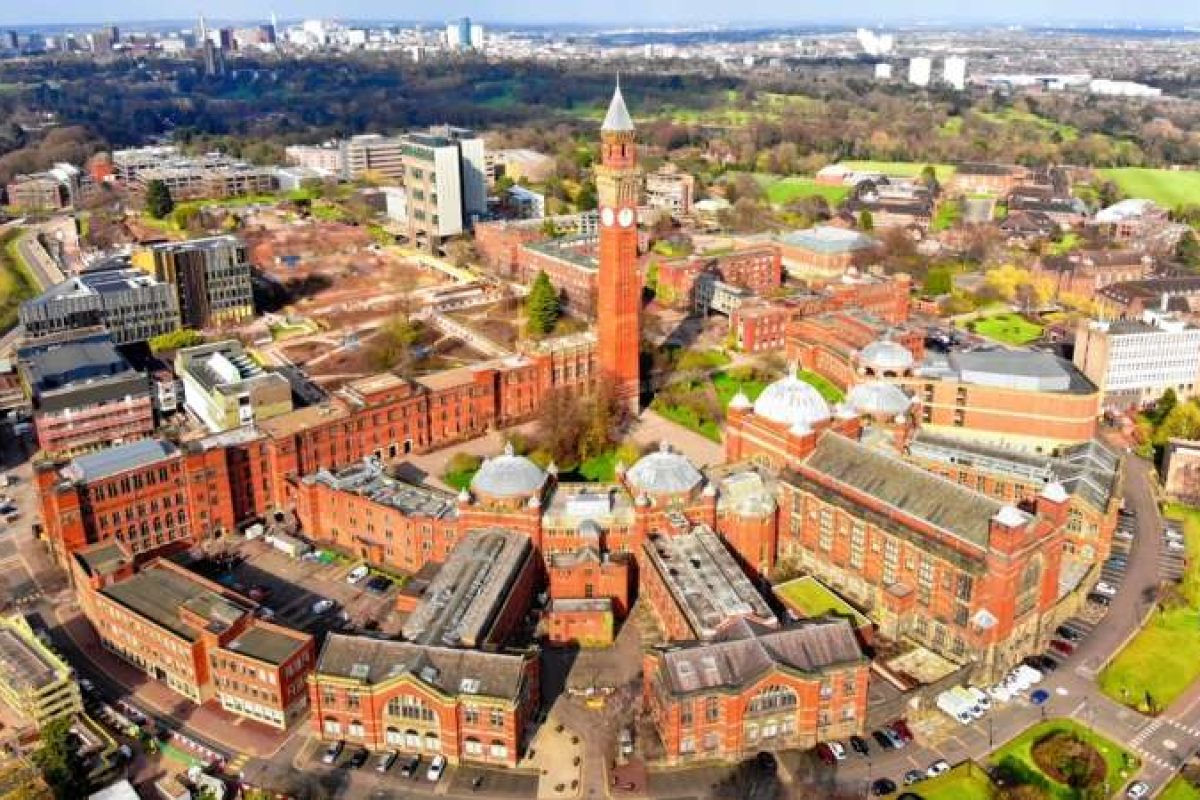
Scientists and clinician-scientists at the University of Birmingham will lead a major research programme to transform the treatment of autoimmune diseases by halting chronic inflammation at its source.
Backed by a £3.83 ($5.1) million Wellcome Discovery Award, Birmingham researchers will join 2025 Nobel Prize winner Professor Shimon Sakaguchi from Osaka University, and Professor Calliope Dendrou from the University of Oxford.
The eight-year programme brings together world-leading scientists to focus on understanding and controlling the immune system’s regulatory mechanisms, with a particular focus on the liver.
Research will focus on the role of Foxp3+ regulatory T-cells in maintaining immune tolerance and preventing tissue damage caused by autoimmune responses.
Scientists and clinicians in the UK and Japan will explore how these regulatory T-cells discovered by Professor Sakaguchi can be used to restore immune balance and treat autoimmune diseases.
Project leader Ye Htun Oo, Professor of Autoimmune Liver Diseases, from the University of Birmingham has been working in research partnership for more than 12 years with Professor Sakaguchi.
Nobel-winning research
Professor Sakaguchi was announced as one of three co-winners of the 2025 Nobel Prize in Physiology or Medicine, alongside US scientists Mary Brunkow and Fred Ramsdell for their work understanding how regulatory T-cells maintain a healthy balance within the immune system, creating openings for possible new autoimmune disease and cancer treatments.
Professor Oo commented: “Congratulations to Professor Sakaguchi on his Nobel Prize success – we are looking forward to continuing the University of Birmingham’s longstanding research partnership with him as we explore together how the regulatory T cells that he discovered 30 years ago can help to treat autoimmune liver diseases.”
Professor Sakaguchi was awarded an honorary professorship by the University of Birmingham in 2019 in recognition of his vision and research driving the development of regulatory T cells as therapeutic in autoimmunity and organ transplantations.
Professor Sakaguchi added: “This exciting collaborative award will allow us to work together to understand stable functional regulatory T cells biology and to progress towards future therapy with these cells for patients with autoimmune liver diseases and multi-organ autoimmunity.”
Diana Turner, Deputy Editor, DDW