
4 November: Organ-on-a-chip, AI data, commercial strategy and IP topics unpacked
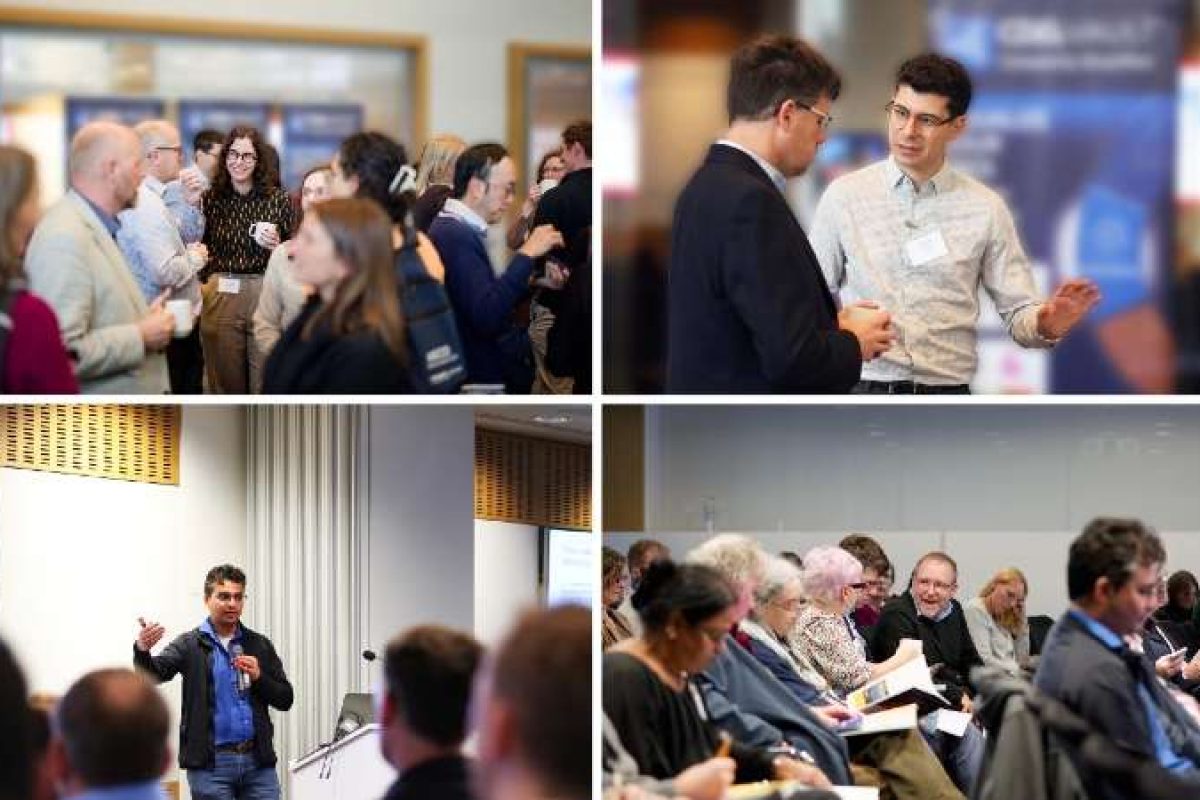
We are only a few weeks away from DDW’s Drug Discovery Innovators & Investors (DDII) UK Conference that will be held on 4 November 2026 at etc.venues Monument, London. Register by October 16 to secure early bird rates.
With its focus on early-stage drug discovery and development, DDII offers insight on how to move a programme towards the clinic. Alongside the keynote address, two panel discussions and networking sessions, the programme includes seven expert presentations on the scientific, commercial and regulatory decisions that shape that path.
Better decisions, earlier
Paul Brooks, CEO of CN Bio, reflects a theme running through several talks: how to make sound development decisions sooner. Roughly 90% of candidates that look safe and effective in non-clinical studies fail to gain FDA approval.
His session, “Beyond the 90%: Human Organ-on-a-Chip Data That Changes Development Decisions”, shows how CN Bio’s PhysioMimix platform informs which targets and candidates to prioritise, whether an efficacy or safety signal is likely to translate to patients, how to optimise exposure and dosing, and when to advance, redirect or stop a programme. Case studies cover MASLD/MASH disease modelling, DILI safety toxicology and ADME. Brooks will also discuss growing regulatory engagement, including the platform’s FDA iSTAND selection.
Building data AI can interpret
AI can accelerate drug discovery, but its insights are only as reliable as the experimental data underpinning them. Caroline Wickramasinghe, Senior Product Manager at SPT Labtech, addresses this in: “Closing the Loop: Building the Trusted Data Foundation for AI-Enabled Drug Discovery”.
Data from different instruments, labs and workflows may lack the consistency and context for dependable AI interpretation, creating a risk of confident but misleading conclusions. Wickramasinghe will make the case for reproducible, traceable and interoperable data generated at source, and for aligning laboratory data, shared data models and AI platforms.
Answering the commercial questions sooner
Many drugs that show clinical efficacy never reach the market. Tim Reason, Founder of Estima Scientific, argues that commercial questions are often addressed too late. In “Drug Discovery’s Commercial Questions and How AI Can Help Find the Answers”, he will look at how AI can speed up the statistical work and modelling behind pricing, market access, scalability and patient subgroup questions.
He will also cover where the technology should and shouldn’t sit in Health Economics and Outcomes Research (HEOR), how it can reduce commercial failure rates, and help gather other intelligence, including the most suitable markets and patient subgroups to target at launch.
Protecting the value you create
Dr Andrew Wells, Partner and Head of Chemistry at HGF, presents: “Using Commercially Relevant Intellectual Property to Add Value to Drug Discovery Programmes”.
Wells will provide an overview of how Intellectual Property (IP) can add significant commercial value to drug discovery innovations and how having an IP strategy can protect the innovations. The session will also focus on understanding the exclusivity position of emerging drug candidates.
Extended programme
- Yogan Patel, Head of Life Sciences & MedTech, MHA: “Future Ready: Is Integrating AI the Key to Securing Investment”.
- Anusha Foy, Vice President, Regulatory Affairs, Allucent: “How UK Regulation can Accelerate or Obstruct Drug Development”.
- Dr Wenshu Xu, Head of Drug Discovery Tools, TTP.
The programme also includes a keynote from Chris Molloy, CEO of the UK BIA, panels on designing faster UK clinical trials and on funding early-stage UK drug development, and pre-scheduled 1:1 meetings.
Early bird rates close 16 October.