
Nucleai and Gilead Sciences enter oncology ADC collaboration
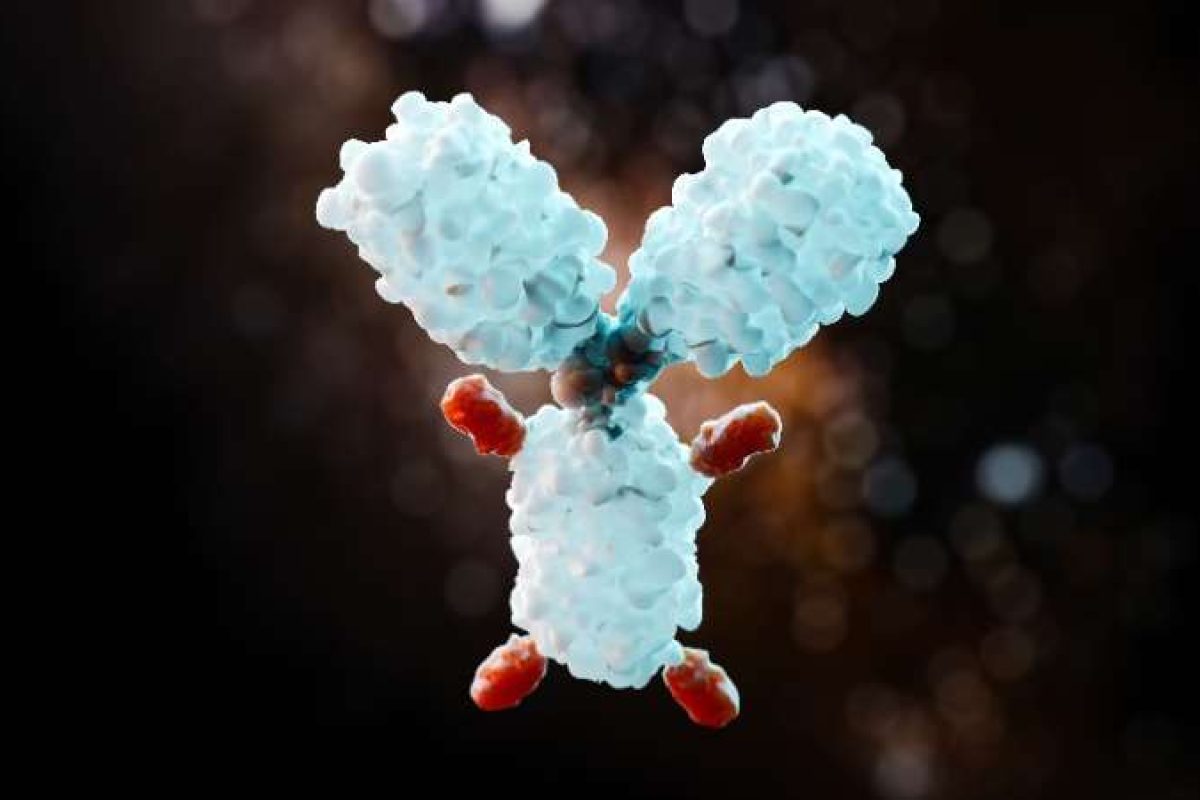
Nucleai and Gilead Sciences have entered an ongoing translational research collaboration, supporting Nucleai’s global antibody-drug conjugate (ADC) clinical development programmes.
Nucleai’s AI-powered platform analyses pathology images to provide quantitative insights into tissue biology. As part of its collaboration with Gilead, Nucleai has analysed a large dataset of hematoxylin and eosin (H&E) and immunohistochemistry (IHC) whole-slide images across several clinical studies spanning multiple oncology indications, supporting Gilead’s global ADC clinical development programmes through advanced AI-driven tissue analytics integrated with clinical outcomes. The collaboration has generated novel biological insights and candidate spatial biomarkers for future scientific presentations and publications.
The collaboration demonstrates how AI-powered Tissue Intelligence can standardise biomarker analyses while connecting tissue biology to clinical outcomes, creating a scalable foundation for translational research, biomarker development, and precision medicine.
“Precision oncology is entering a new phase, where understanding tissue architecture is becoming just as important as understanding molecular alterations,” said Avi Veidman, Chief Executive Officer of Nucleai. “Tissue Intelligence is becoming a foundational capability for precision medicine, helping identify the patients most likely to benefit while enabling pharmaceutical companies to translate tissue biology into reproducible biomarkers that improve the speed and success of oncology drug development.”
Unlike traditional image analysis approaches, Nucleai’s AI-native platform integrates computational pathology, spatial biology, clinical outcomes and multimodal data into a unified framework. This enables standardised biomarker assessment from preclinical research through late-stage clinical development, while revealing mechanisms of response, resistance and disease progression.
Its collaboration with Gilead and other leading pharmaceutical companies reflects growing industry recognition that AI-powered tissue analytics can strengthen biomarker development and precision medicine in oncology. As target expression alone proves insufficient to explain ADC response, Nucleai’s Tissue Intelligence platform integrates protein expression with tissue architecture, tumour heterogeneity and microenvironmental context to better characterise the biological drivers of therapeutic efficacy.
“Scale and reproducibility are becoming essential requirements for biomarker development,” said Dr Ken Bloom, Head of Pathology, Nucleai. “Our platform enables standardised spatial analyses across thousands of clinical samples while directly linking tissue biology to patient outcomes, generating evidence that can support translational research, biomarker qualification, and future companion diagnostic strategies.”