
Engineered gut bacteria could be viable alternative to FMT
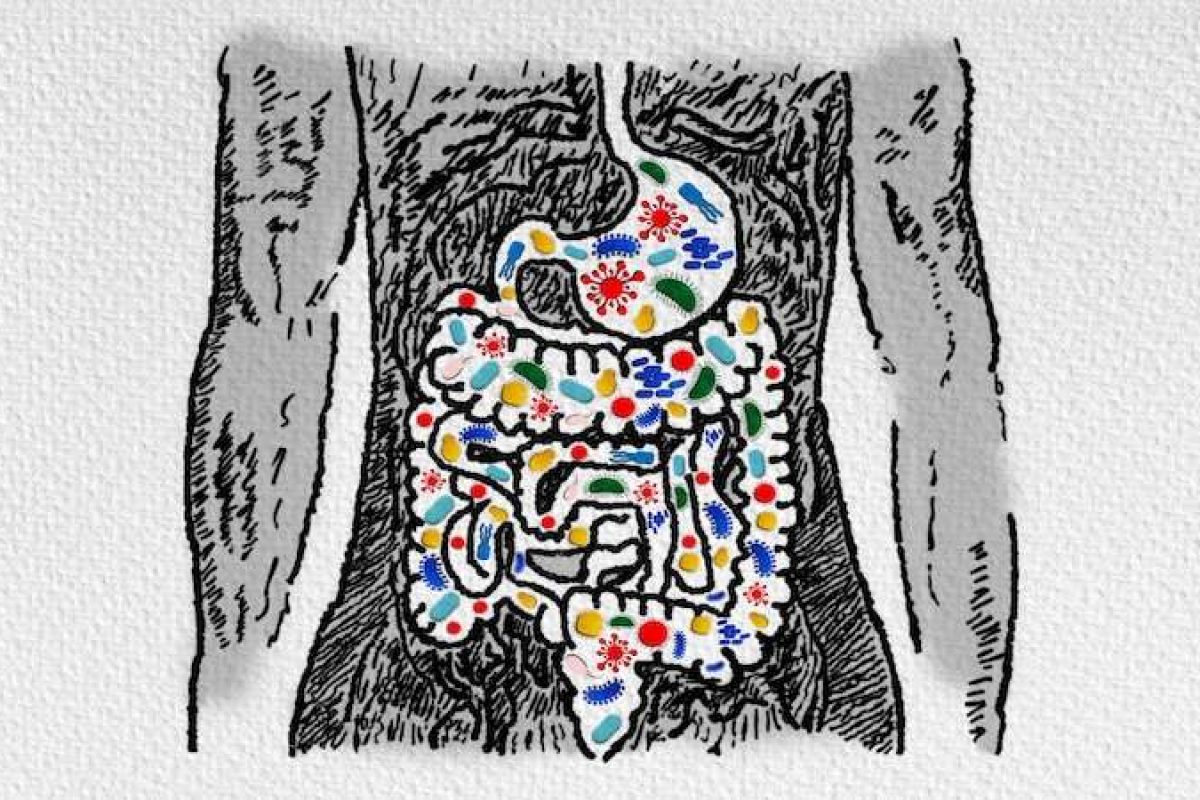
An engineered gut bacteria therapy could be an alternative to foecal microbiota transplants (FMT), researchers say.
Results from a Phase Ib clinical study demonstrate comparable safety and efficacy between stool-based FMT and manufactured live biotherapeutic product (LBP).
Scientists at the Icahn School of Medicine at Mount Sinai, New York developed the therapy using a platform capable of manufacturing LBP, composed of known bacterial strains rather than whole-stool material.
The product generated was evaluated in patients with recurrent C. difficile infection and compared directly with FMT prepared from the same donor source used to isolate the bacterial strains.
In the study, led by Ari Grinspan, 18 participants were enrolled across four groups: low- and high-dose FMT and low- and high-dose LBP, with four to five patients in each arm.
It is hoped the engineered LBP could be used as an alternative to foecal microbiota transplants (FMT) to restore gut bacteria in patients with severe or recurrent infections.
The researchers say the findings support the feasibility of manufacturing defined microbiome therapeutics that may one day offer a more standardised alternative to traditional foecal microbiota transplants.
“Our goal was to move beyond stool-based therapies toward something more precise and reproducible,” said Grinspan, co-senior author of the study.
“By defining exactly which bacterial strains are included, we can better understand how these therapies work and potentially improve safety, quality control, and scalability.”
While the 15-strain consortium in the study was administered by colonoscopy, the investigators have since developed an oral formulation designed to offer a more convenient mode of delivery in upcoming clinical studies.
Investigators now plan to develop and test LBPs for additional inflammatory and infectious diseases. The manufacturing platform could also be made available to other researchers, accelerating the translation of microbiome science into clinical care.