
Covid-19 mRNA vaccine boosts cancer response, study shows
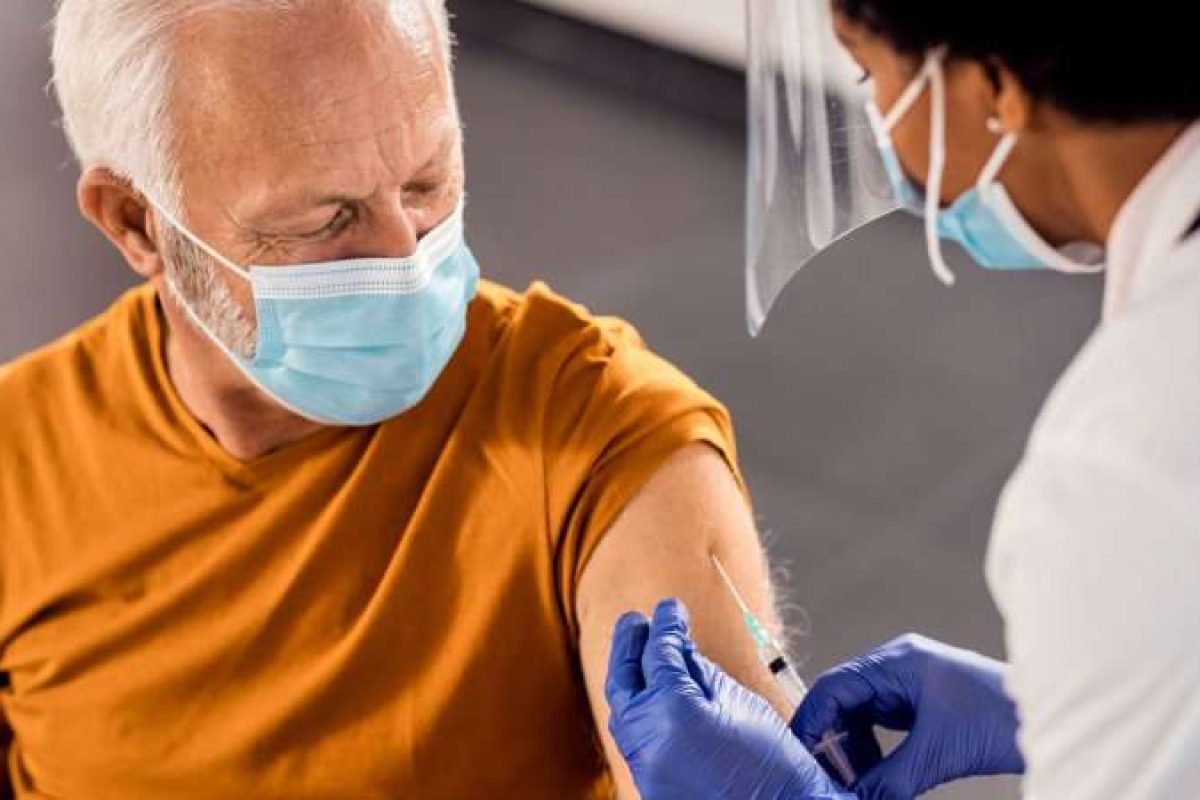
Research showing the Covid-19 mRNA vaccine boosts the immune system’s response to cancer has been described as ‘extraordinary’.
Scientists at the University of Florida and the University of Texas MD Anderson Cancer Center found patients with advanced lung or skin cancer lived significantly longer when receiving the Covid-19 mRNA vaccine compared to those who did not get the vaccine.
The team analysed more than 1,000 patients records showing the effect of the Covid-19 mRNA vaccine on cancer response, when administered within 100 days of starting immunotherapy. The results are preliminary but, if validated in a randomised clinical trial, could have widespread clinical impact.
“The implications are extraordinary — this could revolutionise the entire field of oncologic care,” said co-senior author Elias Sayour, a UF Health Paediatric Oncologist and the Stop Children’s Cancer/Bonnie R. Freeman Professor for Pediatric Oncology Research.
“We could design an even better nonspecific vaccine to mobilise and reset the immune response, in a way that could essentially be a universal, off-the-shelf cancer vaccine for all cancer patients.”
Hope for advanced cancer patients
The findings, published in Nature, emerged from a study of lab mice when a ‘non-specific’ mRNA vaccine was combined with common anti-cancer drugs. The experimental vaccine was non-specific to Covid-19 but Adam Grippin, first author on the study, wondered whether the Covid-19 mRNA vaccine could work in place of the non-specific vaccine.
The research team proceeded to analyse existing data from patients with Stage 3 and 4 non-small cell lung cancer and metastatic melanoma treated at MD Anderson from 2019 to 2023. Results showed that, when patients were given the Covid-19 mRNA vaccine within 100 days of starting immunotherapy drugs, survival was significantly boosted.
In lung and skin cancers, doctors commonly engage the immune system with drugs designed to ‘release the brakes’ and recognise and attack cancer cells more effectively. In advanced disease stages, however, most patients do not respond well and often have exhausted other treatment options like radiation, surgery and chemotherapy.
However, the new study could provide hope to this patient group. For advanced lung cancer patients, getting the vaccine was associated with a near doubling of median survival, from 20.6 months to 37.3 months.
“Although not yet proven to be causal, this is the type of treatment benefit that we strive for and hope to see with therapeutic interventions — but rarely do,” said Duane Mitchell, Director of the UF Clinical and Translational Science Institute.
“I think the urgency and importance of doing the confirmatory work can’t be overstated.”
Scientists now plan to launch a large clinical trial in the US in Florida, Alabama, Georgia, Arkansas, California and Minnesota.
Bruno Quinney, Content Team, DDW