
Water critical in T cell response to infection, new research shows
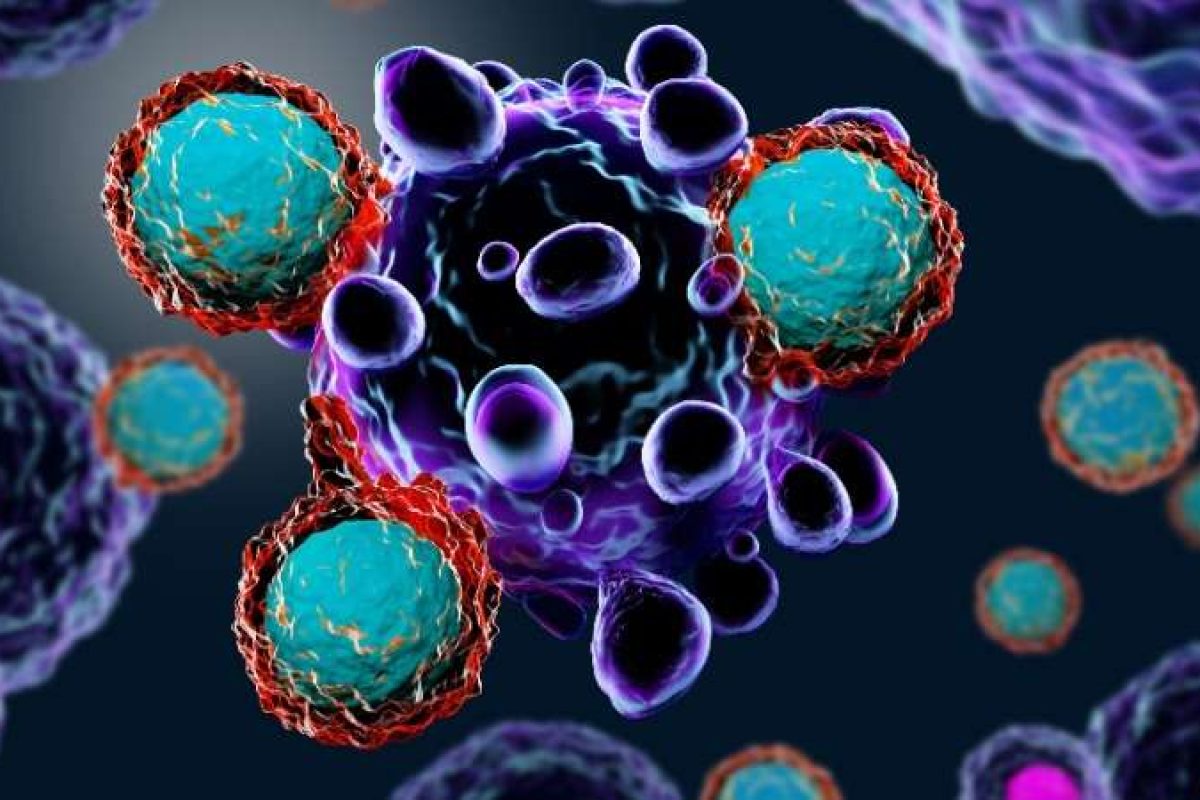
Researchers at the Francis Crick Institute in the UK have shown that water influx is necessary for T cells to activate and divide in response to a threat.
In research published in Nature Communications, the team at the Crick found that a protein called WNK1 causes water to enter through channels on the T cell surface and is required to kick-start this process.
This follows research from the lab in 2023, showing that WNK1 is necessary for T cell migration.
In the new study, the scientists compared what happened when mouse T cells, with and without WNK1, were triggered by a lab technique mimicking an infection.
They found that in mice with WNK1-deficient T cells, the number of T cells responding to the infection was greatly reduced and the mice were unable to produce antibodies.
The team also observed that WNK1 activity causes ions – sodium, potassium and chloride – to enter the cell. Water then follows by osmosis, through channels on the membrane called aquaporins.
This process was essential for the T cells to enter and commit to the cell cycle, resulting in cell division. WNK1 was important for progression around the cycle and for bypassing checkpoints which can slow down the process, as T cells without WNK1 progressed more slowly, resulting in fewer new cells.
Water as a messenger within the body
Joshua Biggs O’May, former PhD student at the Crick and first author of the study, said: “By removing WNK1 from T cells in mice, we’ve shown just how important it is for an effective immune response to infections. Combining this with our previous research showing that WNK1 is needed for T cell migration, we’ve started to build a fuller picture of how this critical element of the immune system is switched on quickly and allows immune cells to get to where they’re needed in the body and to respond effectively.”
Finally, the researchers placed T cells without WNK1 into a low-salt solution causing water to rush into the cells. Importantly, this restored their ability to divide normally, demonstrating that water influx is necessary for cell division.
WNK1 is found in most cell types, so this work suggests that water influx may be a common feature of cell replication.
Victor Tybulewicz, Group Leader of the Immune Cell Biology Laboratory & Down Syndrome Laboratory at the Crick, said: “The role of water is understudied – it’s often thought of as just a passive solvent for biological molecules to function in. But our work shows that water has an active role as a messenger, transmitting signals into the T cell that control its migration and division.
“We’re now looking at how universal this process is, as it could have implications for how cancer cells can divide more rapidly, or play fundamental roles in other cell types.”
Diana Spencer, Senior Digital Content Editor, DDW