
77% of researchers not using alternatives to animal testing
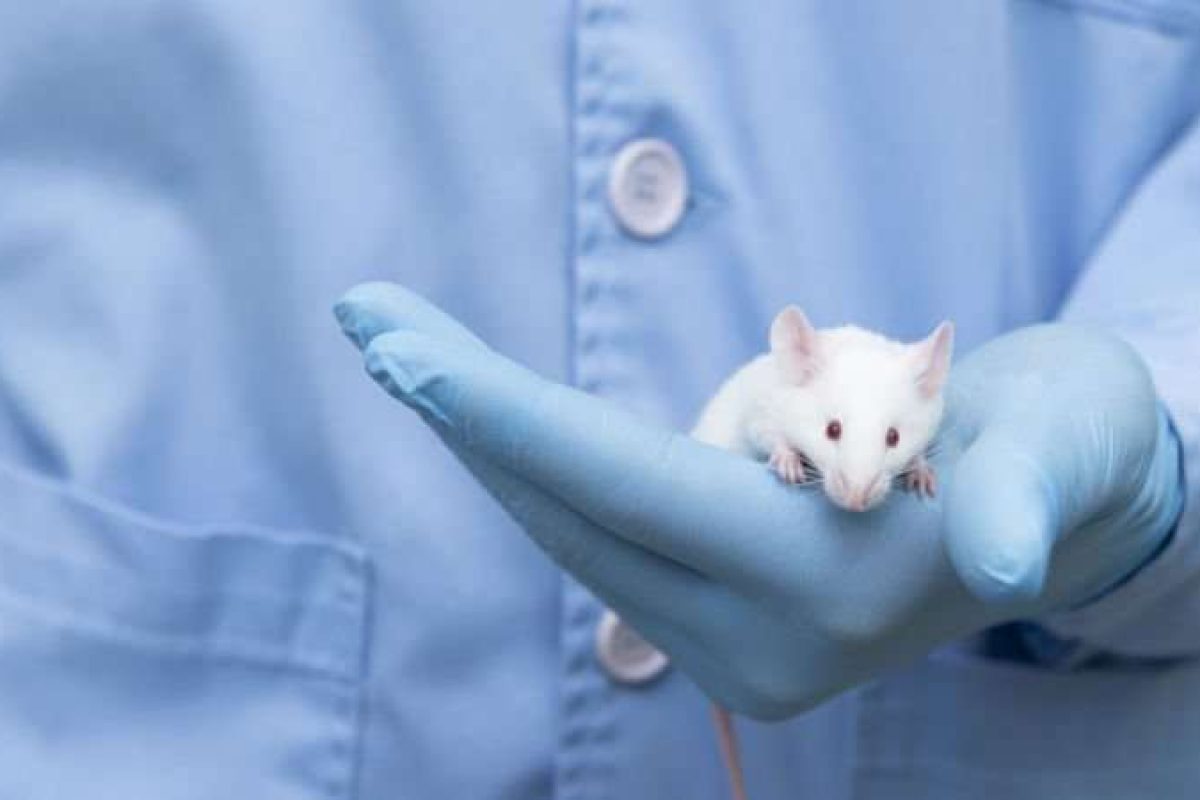
New survey findings have revealed that 77% of R&D professionals are not using in vitro cell-based alternatives to animal testing, and only 23% describe themselves as ‘very familiar’ with any kind of animal model alternative.
More than 350 survey respondents participated in the survey by The Pistoia Alliance, including representatives from pharma companies, regulators, and CROs.
The data revealed that regulatory concerns are a major barrier to non-animal model (NAM) adoption, experienced by 60% of respondents. This comes despite new laws, such as the FDA Modernization Act 2.0 that empower preclinical studies to adopt NAM.
“Companies are excited by the possibility of producing more accurate models than traditional animal testing that could speed up drug development and support their ESG goals. But, as this research shows, there are several regulatory, technological, and ethical hurdles that must be navigated before this becomes a reality,” commented Ellen Berg, CSO, Alto Predict.
Of the respondents that are already exploring NAMs, the most used replacements were cell cultures (64%), in silico models (47%) and organoids (36%).
Alongside regulatory concerns, respondents also cited unreliable data in replacement models (17%) as a barrier to NAM adoption.
Non-Animal Models Community
In response to the findings, the Pistoia Alliance is launching a new Non-Animal Models Community.
“Supporting the 3Rs – reducing, refining, and replacing animal testing – depends on companies having quality data. Researchers must have confidence their non-animal models are reliable, and that data are in a submission-ready format,” said Véronique François, Project Manager, Pistoia Alliance.
Thierry Escudier, Portfolio Lead, Pistoia Alliance, added: “The Non-Animal Models Community will support the Alliance’s strategic priority of making R&D more sustainability driven. ESG is a priority for our members from both a growth and public health perspective, and the industry must ensure that new therapies are backed by ethical, sustainable operations.”
Diana Spencer, Senior Digital Content Editor, DDW