
UK life sciences can lead the way in cannabinoid R&D, says report
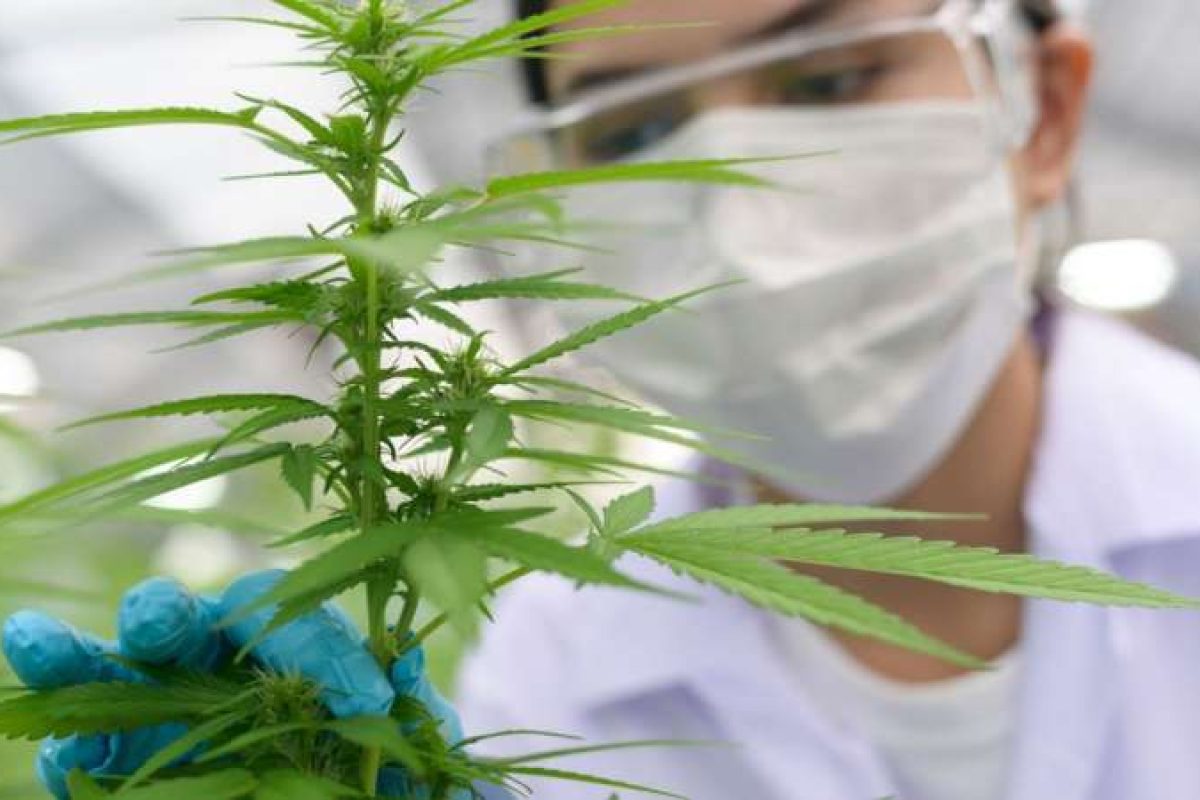
The UK has the potential to become the global leader in pharmaceutical cannabinoid R&D, according to a new report published by the Cannabinoid Research and Development Group (CRDG).
The report suggests the UK can build on the success of GW Pharmaceuticals, whose multiple sclerosis treatment product nabiximols was the first natural cannabis plant derivative to gain market approval in any country.
CRDG is a research strategy group co-chaired by former Minister of State for Science and the first UK Minister for Life Sciences George Freeman MP and former Director General of The Association of the British Pharmaceutical Industry (ABPI) Professor Trevor Jones.
The report ‘How to Make the UK the Global Leader in Cannabinoid R&D’ in based on contributions from biotech companies including Ananda Developments, Artelo Biosciences, Curaleaf International, Kingdom Therapeutics, NW Pharmatech, Oxford Cannabinoid Technologies, Phytome Life Sciences and Brains Bioceutical.
It makes the case for a new approach to unlock treatments for patients across a range of therapeutic areas of high unmet need including epilepsy, psychosis, pain management, autism, anorexia, anxiety and more.
Most notably, it calls for responsibility for regulating cannabinoid-based medicines to be transferred from the Home Office to the Department of Health and Social Care (DHSC) and the Medicines and Healthcare products Regulatory Agency (MHRA).
The report argues that pharmaceutical cannabinoid R&D is in danger of being held back in the UK by “inappropriately excessive” regulation.
Recommendations to promote cannabinoid research
The 10 recommendations made in the report are:
- The government should transfer the licensing authority for scheduled drugs involved in medical R&D from the Home Office to the DHSC, and in particular the MHRA.
- The Home Office should respond to the ACMD’s Barriers to Research report from December 2023, including the implementation of exemptions for companies and universities engaged in cannabinoid R&D in the UK.
- The government should create a medical R&D roadmap for scheduled drugs in the UK over the next decade that includes cannabinoids.
- The government should provide clear guidance that outlines the processes for developing botanical medicines in the UK.
- NICE should continue to engage with up-to-date evidence of CBPMs and update its public-facing communications to reflect this.
- The British Pharmacopoeia and associated regulatory agencies should review monographs for various CBPMs and synthetic cannabinoids.
- The UK’s cannabinoid R&D sector should establish an academic research network across the university research ecosystem to foster industry partnerships and develop best practices.
- The Department for Science, Innovation and Technology (DSIT) should encourage institutional and private investors to engage with the cannabinoid R&D sector.
- The biotech investment community should promote collaboration with the UK cannabinoid R&D sector.
- Charities, not-for- profit organisations and scientific societies to engage and promote cannabinoid R&D efforts.
Professor Trevor Jones, Co-Chair of CRDG, said: “By implementing the recommendations outlined in this report, the UK can solidify its position as a global hub for cannabinoid research. While it will cement the country’s position in life sciences and generate significant economic benefits, the most important beneficiaries will be the patients enjoying a better quality of life.”
Diana Spencer, Senior Digital Content Editor, DDW