
TB vaccine could target several proteins, MIT study shows
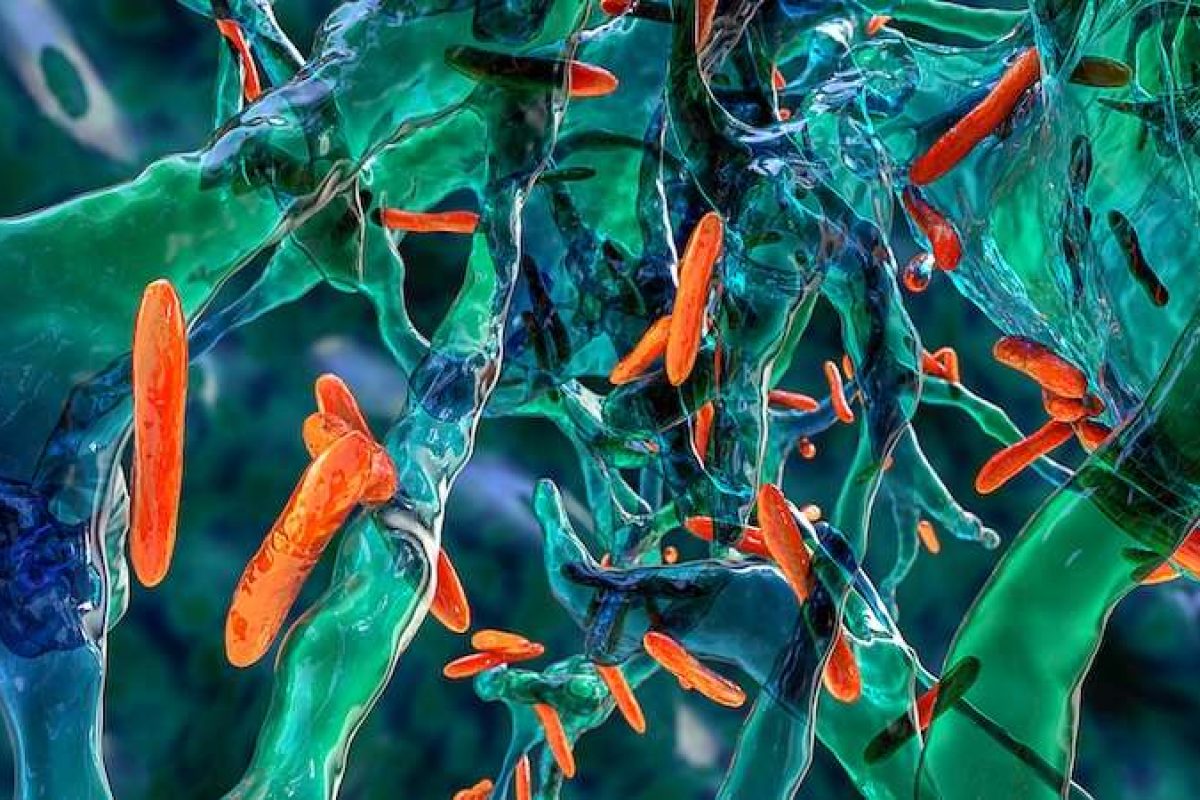
A new study by the Massachusetts Institute of Technology (MIT) has revealed new targets for a tuberculosis (TB) vaccine.
A large-scale screen of tuberculosis proteins highlighted several possible antigens that could be developed as a new vaccine for TB, the world’s deadliest infectious disease.
A team of MIT biological engineers identified a handful of immunogenic peptides from more than 4,000 bacterial proteins. These peptides appear to stimulate a strong response from a type of T cell responsible for orchestrating immune cells’ response to infection.
There is currently only one vaccine for tuberculosis, known as BCG, which is a weakened version of a bacterium that causes TB in cows. The BCG vaccine was developed more than 100 years ago and is still administered in some parts of the world, but it poorly protects adults against pulmonary TB. Tuberculosis kills more than 1 million people globally every year.
“There’s still a huge TB burden globally that we’d like to make an impact on,” said Bryan Bryson, Associate Professor of Biological Engineering at MIT and a member of the Ragon Institute of Mass General Brigham, MIT, and Harvard.
“What we’ve tried to do in this initial TB vaccine is focus on antigens that we saw frequently in our screen and also appear to stimulate a response in T cells from people with prior TB infection.”
The challenges of vaccine design
In the new study, Bryson and his students set out to narrow the field of candidates by identifying TB proteins presented on the surface of infected human cells. When an immune cell such as a phagocyte is infected with Mycobacterium tuberculosis, some of the bacterial proteins get chopped into fragments called peptides, which are then displayed on the surface of the cell by major histocompatibility complexes (MHC proteins). These MHC-peptide complexes act as a signal that can activate T cells.
MHCs , or major histocompatibility complexes, come in two types known as class I and class II. Class I MHCs activate killer T cells, while class II MHCs stimulate helper T cells. In human cells, there are three genes that can encode MHC-II proteins, and each of these comes in hundreds of variants. This means that any two people can have a very different repertoire of MHC-II molecules, which present different antigens.
“Instead of looking at all of those 4,000 TB proteins, we wanted to ask which of those proteins from TB actually end up being displayed to the rest of the immune system via MHC,” Bryson said. “If we could just answer that question, then we could design vaccines to match that.”
The researchers then infected human phagocytes with Mycobacterium tuberculosis. After three days, they extracted MHC-peptide complexes from the cell surfaces, then identified the peptides using mass spectrometry.
Focusing on peptides bound to MHC-II, the researchers found 27 TB peptides, from 13 proteins, that appeared most often in the infected cells. Then, they further tested those peptides by exposing them to T cells donated by people who had previously been infected with TB.
They found that 24 of these peptides did elicit a T cell response in at least some of the samples. None of the proteins from which these peptides came worked for every single donor, but Bryson believes that a vaccine using a combination of these peptides would likely work for most people.
“In a perfect world, if you were trying to design a vaccine, you would pick one protein and that protein would be presented across every donor. It should work for every person,” Bryson added. “However, using our measurements, we’ve not yet found a TB protein that covers every donor we’ve analysed thus far.”
Testing in humans still a way off
Among the vaccine candidates that the researchers identified are several peptides from a class of proteins called type 7 secretion systems (T7SSs). Some of these peptides also turned up in an earlier study from Bryson’s lab on MHC-1.
Two of the best-known of these proteins, EsxA and EsxB, are secreted by bacteria to help them escape from the membranes that phagocytes use to envelop them within the cell. Neither protein can break through the membrane on its own, but when joined together to form a heterodimer, they can poke holes, which also allow other T7SS proteins to escape.
To evaluate whether the proteins they identified could make a good vaccine, the researchers created mRNA vaccines encoding two protein sequences — EsxB and EsxG. The researchers designed several versions of the vaccine, which were targeted to different compartments within the cells.
The researchers then delivered this vaccine into human phagocytes, where they found that vaccines that targeted cell lysosomes — organelles that break down molecules — were the most effective. These vaccines induced 1,000 times more MHC presentation of TB peptides than any of the others.
They later found that the presentation was even higher if they added EsxA to the vaccine, because it allows the formation of the heterodimers that can poke through the lysosomal membrane.
The researchers currently have a mix of eight proteins that they believe could offer protection against TB for most people, but they are continuing to test the combination with blood samples from people around the world. They also hope to run additional studies to explore how much protection this vaccine offers in animal models. Tests in humans are likely several years away.
This piece first appeared in MIT News
Bruno Quinney, Content Team, DDW